

Opinion editor’s note: Strib Voices publishes a mix of guest commentaries online and in print each day. To contribute, click here.
•••
Minnesotans are practical people. We expect public money to be spent carefully, proportionally, with results that reflect what our population wants at reasonable cost. That’s why the recent federal immigration enforcement surge in Minnesota deserves a closer look — not only through ideology, but through arithmetic.
Precise, publicly verified figures tying arrests, detentions, transfers and deportations specifically to the recent Minnesota surge have not yet been released. What follows uses conservative, good-faith estimates based on standard federal per-diem rates, typical law-enforcement compensation structures, published ICE detention costs and widely reported ranges of activity. If anything, these figures likely understate the true cost, as they exclude classified expenses and many indirect impacts.
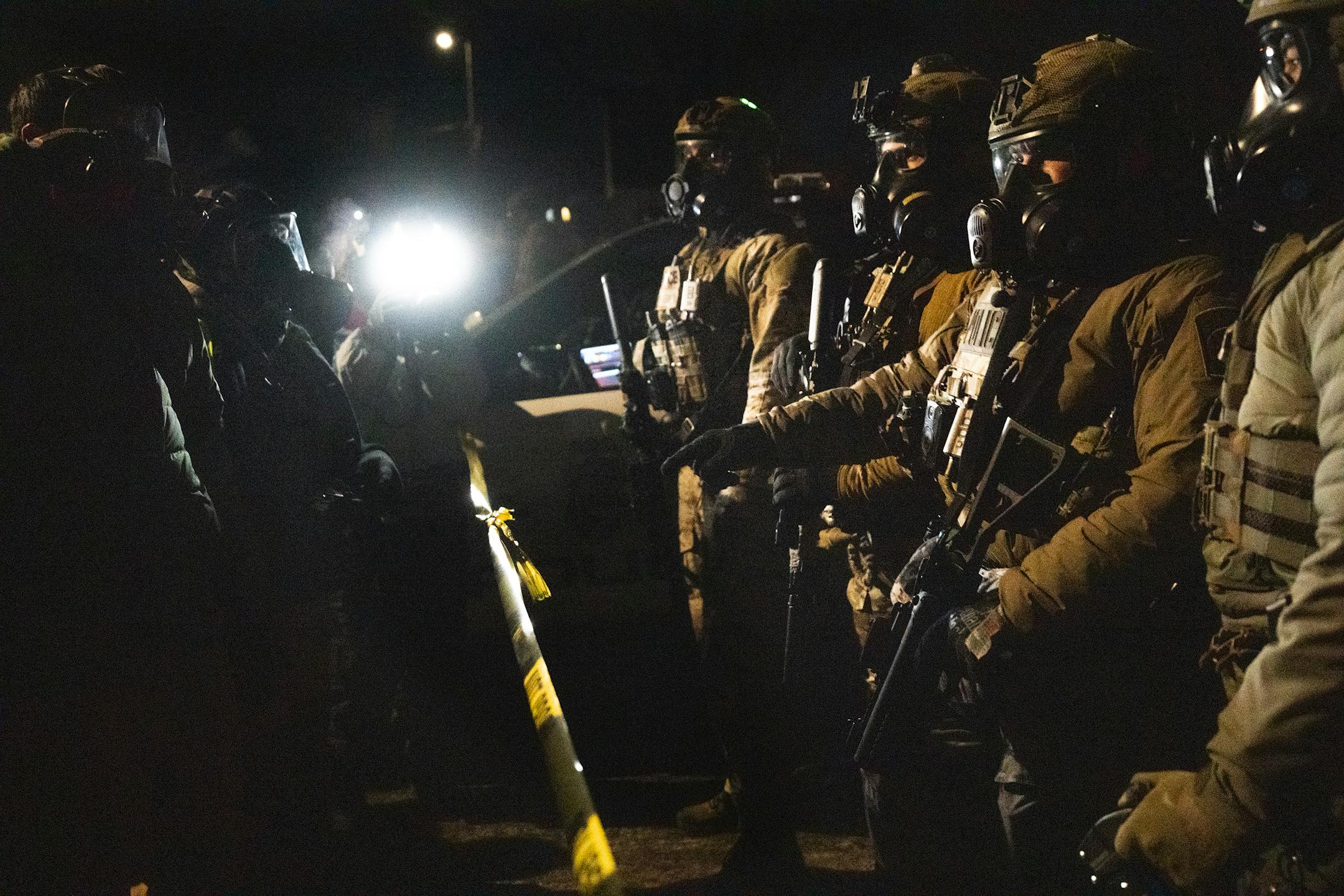
Public reporting indicates that roughly 3,000 federal immigration enforcement personnel have been deployed to the Twin Cities area for approximately one to two months. Using standard federal costs for lodging, meals, loaded wages, overtime, transportation, vehicles, equipment, supplies and administrative overhead, the direct federal cost of that deployment alone approaches $200 million, or roughly $3 million to $4 million per day.
That figure does not include detention, court proceedings, medical care or deportation costs.
When those are added — housing, food, security, medical services, transportation, hearings and removal flights — total federal public spending reasonably approaches $230 million over roughly two months.
Minnesota’s costs
Those federal figures are only part of the picture. Large federal enforcement operations do not occur in a vacuum. They impose real, billable costs on Minnesota, many of which are absorbed quietly by state and local governments.


