‘I’m angry every day’: Neighbor describes life next to an Eagan car battery recycling plant

Steve Roth said his report helped spur past testing for toxic lead in his neighborhood.

The Minnesota Star Tribune
August 6, 2025 at 5:26AM
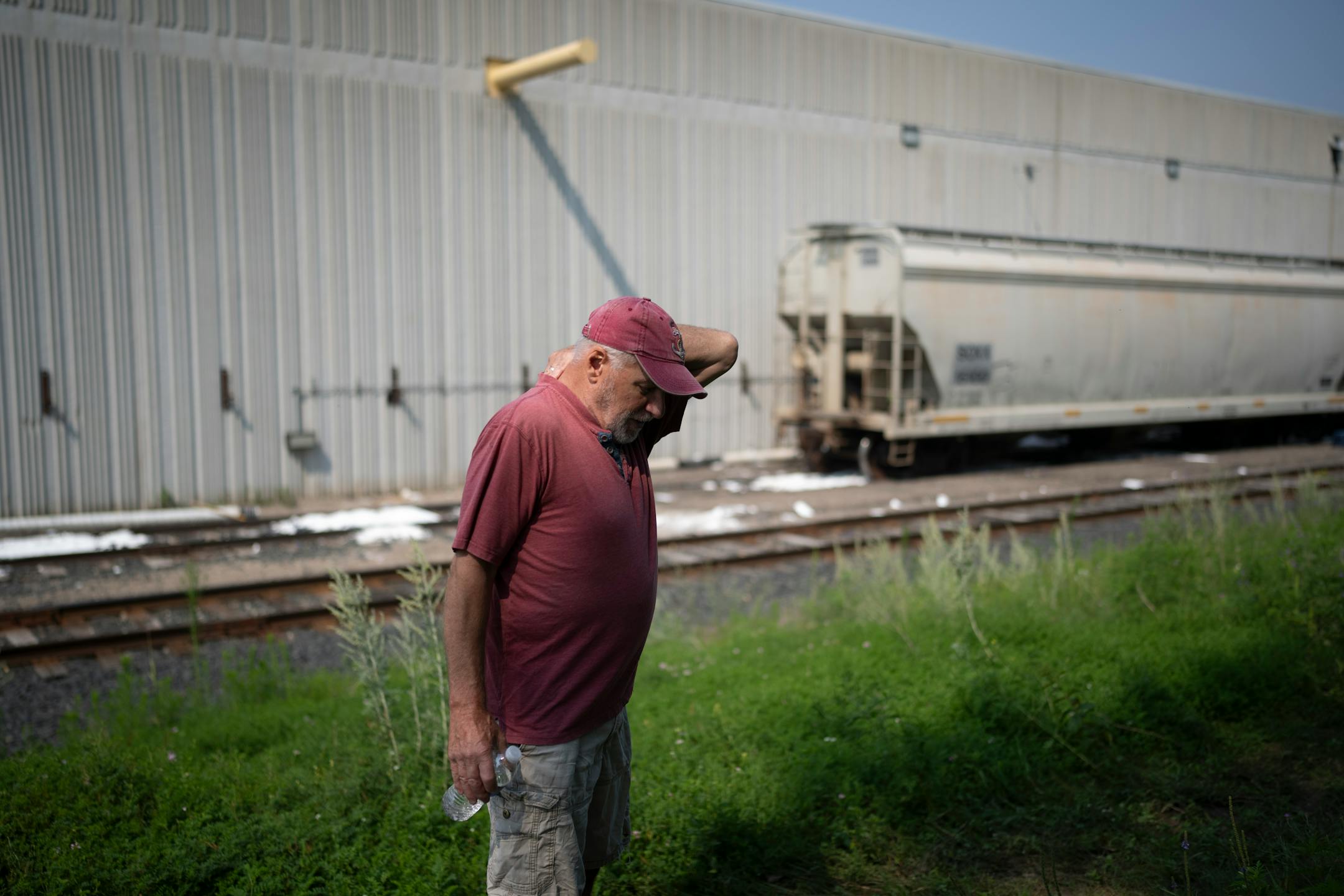
Steve Roth walks past car battery recycler Gopher Resource in Eagan. Earlier this summer, Roth and other neighbors were notified that Gopher had pumped more lead into the air than its permit allowed. (Renée Jones Schneider/The Minnesota Star Tribune)

Steve Roth learned there might be something dangerous in his soil from a work crew behind his house. One day five years ago, he walked outside and found a group digging up dirt they said was contaminated with lead.

Roth lives in Eagan across the road from a car battery recycling company called Gopher Resource that’s worked with lead for decades. Still, when he built his house in 1992, he had no indication that the company was putting anything bad into the air.

He and his wife raised two children and later welcomed a grandchild who lives with them full time. But over the years, Roth noticed loud sounds and sour smells coming from across the street. Sometimes, vibrations coming from Gopher rattled his house.

Earlier this summer, Roth and other neighbors were notified that Gopher Resource had pumped more lead into the air than its permit allowed. Since then, many have been comparing notes on the sounds, smells and occasional yellow smoke they’ve seen from the facility over the years.

No one has had a closer eye on the lead recycler than Roth, whose property line is 950 feet from the factory’s stack.
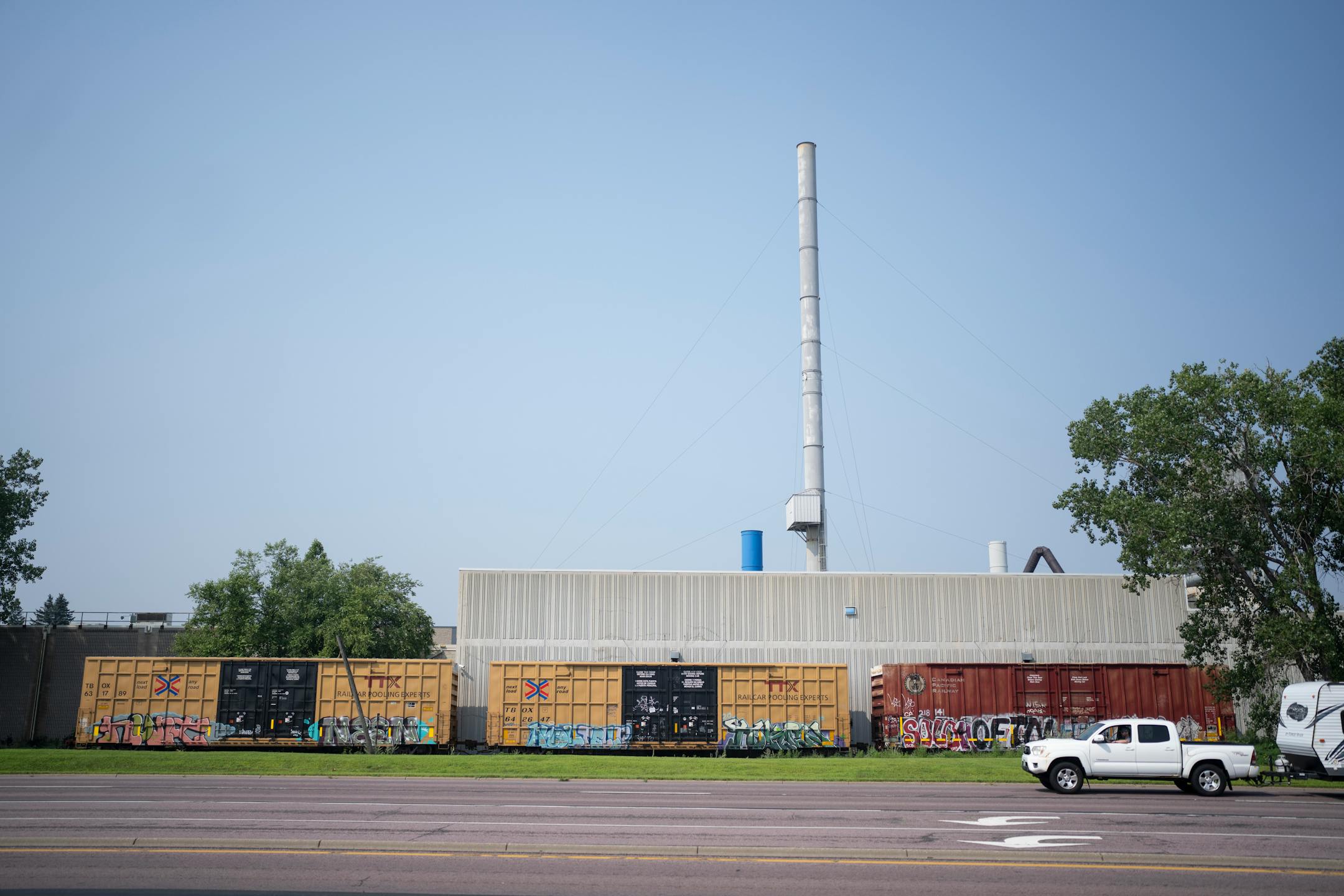
Car battery recycler Gopher Resource in Eagan. (Renée Jones Schneider/The Minnesota Star Tribune)

Gopher Resource said in a statement that “we actively engage and interact with the community to address matters with an emphasis on responsiveness and continuous improvement.”

Roth lives in the Bur Oaks subdivision, across the street from Gopher Resource, which is at the corner of Dodd and Yankee Doodle roads. The soccer pitches at Thresher Fields Park have a view of the tall white stack, just beyond a fringe of trees.

On the edge of Thresher Fields is a dog park where the Minnesota Pollution Control Agency (MPCA) says the highest concentration of lead lingered after the excess lead releases from Gopher Resource at the beginning of the year.

Now, the MPCA says the issue that caused excess emissions earlier this year has been fixed, though its investigation is still open. The state is conducting free tests of soil samples collected from neighbors.

Roth worries about his and his family’s health. He has been treated for the blood cancer multiple myeloma, which is in remission, and continues to be treated for amyloidosis, a rare disease where rogue proteins build up in organs. The grandchild who lives with him has been diagnosed with asthma.

Roth wishes he had been warned about potential pollution when he built his house back in 1992. Before he moved to Eagan, he lived in south Minneapolis.

“I figured I’d move to the suburbs. I was hoping for a better ending than this,” Roth said. “I’m angry every day.”

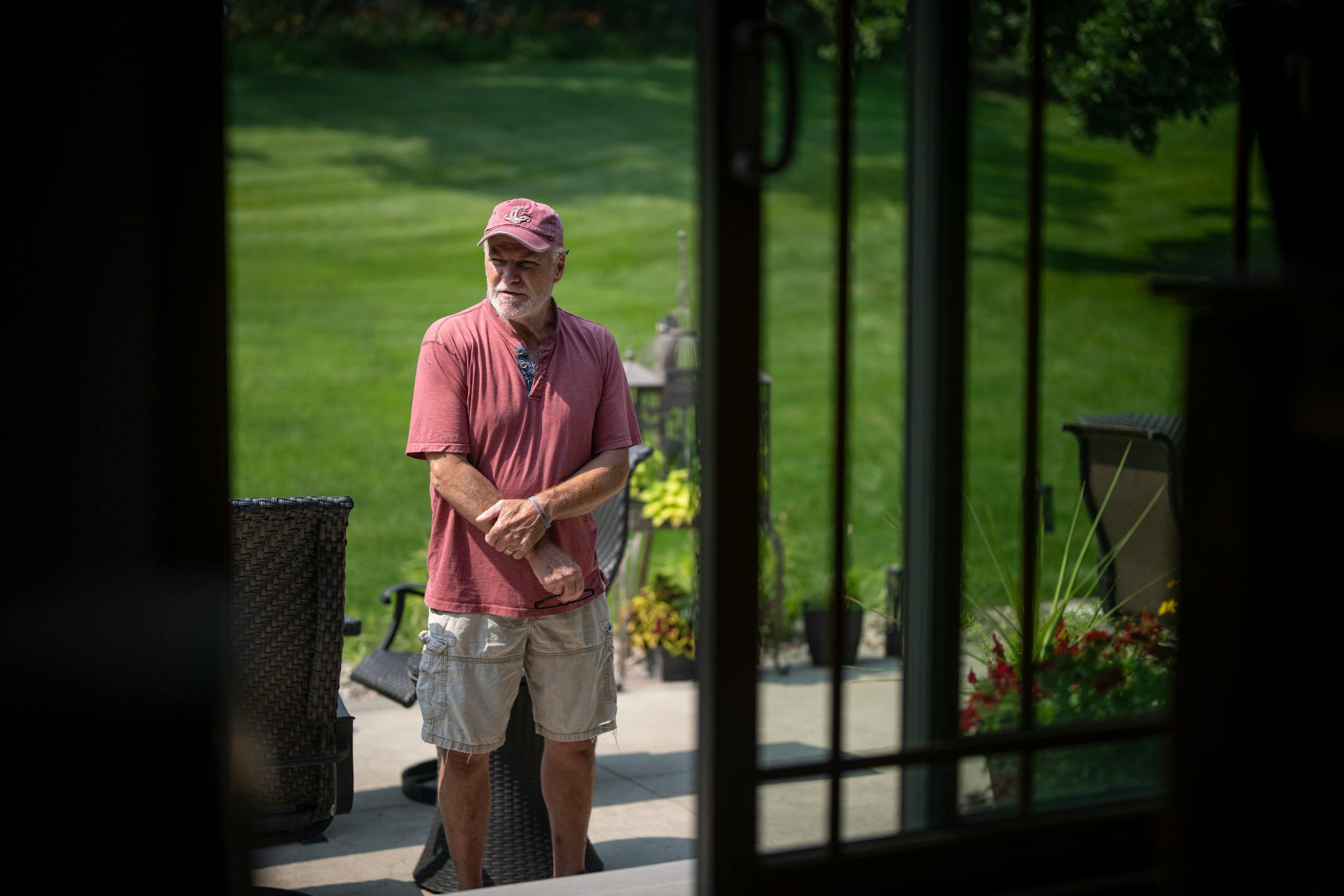
Steve Roth shows his daily medications at his home in Eagan. (Renée Jones Schneider/The Minnesota Star Tribune)

Sick cows

Gopher was originally known as Gopher Smelting and Refining Co. when it opened in what was then farm country in 1948. That was before the city of Eagan was founded. Farmers were the first ones to complain about the lead smelter.

In 1963, the Minneapolis Star reported that cows nearby were dying, and their owners suspected lead fumes or tainted water. Within a week, a second report in the newspaper showed the Department of Health had tested local wells and determined the amount of lead present wasn’t harmful.

The safety threshold at the time, however, was 33 times higher than the action level EPA uses for lead in water today. Over the decades, researchers have consistently lowered the limit of what’s considered safe levels of lead in air, water and soil.

The Centers for Disease Control has concluded that no amount of lead is safe in human bodies. It is particularly damaging to children, where even the smallest blood lead measurements are associated with cognitive effects, according to a 2020 analysis.

For that same reason, the EPA lowered its soil screening level for lead last year. Soil is a well-known source of lead exposure to children, who may ingest or inhale the metal while playing, according to the CDC.

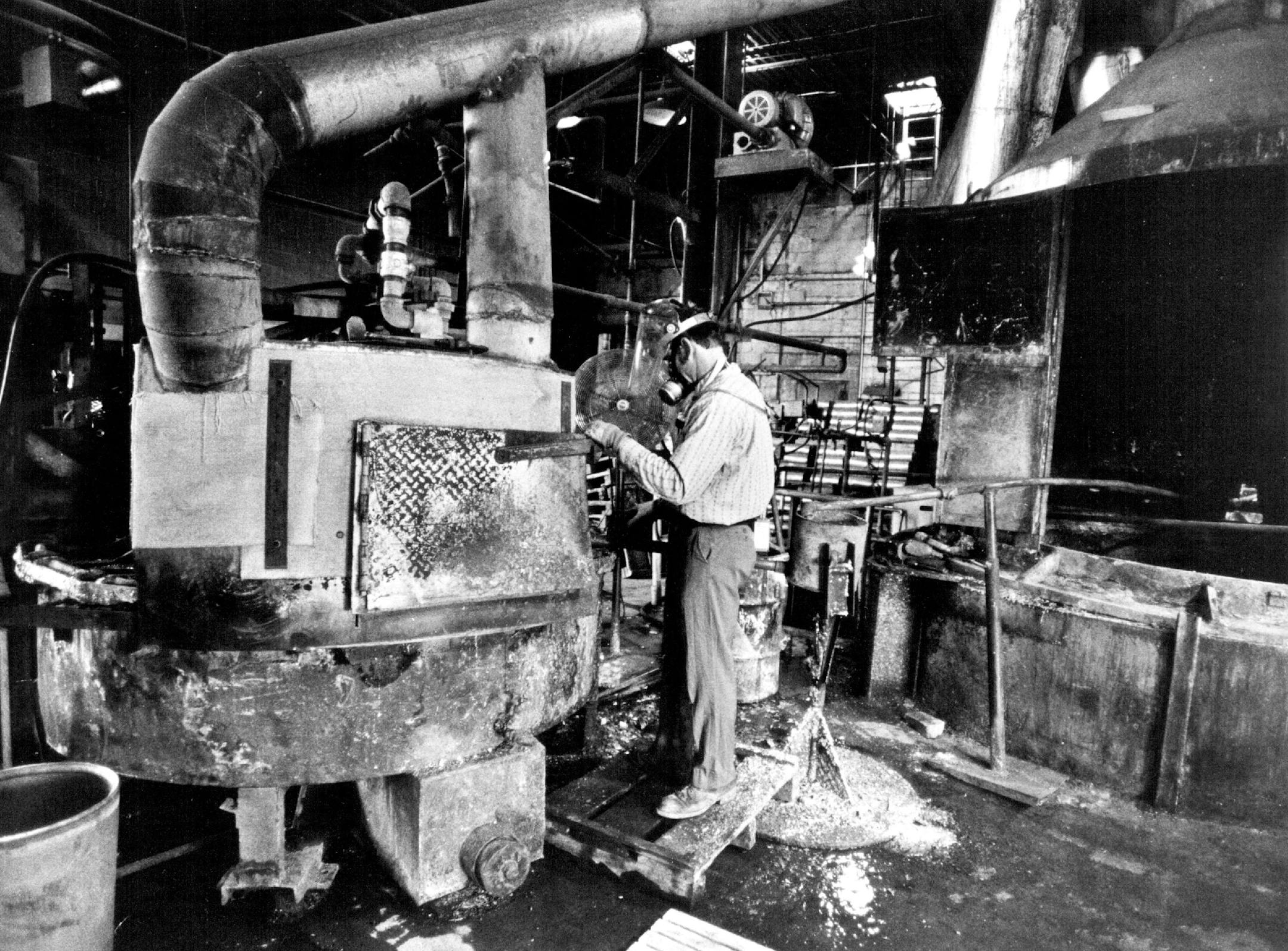
A Gopher Smelting and Refining Co. worker operates a casting machine in 1981. At the time of this photograph, Gopher had been cited for two serious operating violations regarding employee exposure to toxic lead following a state investigation. (Steve Schluter/The Minnesota Star Tribune)

Prior testing

Five years ago, Roth found the work crew scraping up dirt in a forested strip behind his backyard.

After they said they were removing lead-laden soil, he contacted the MPCA. A staff member wrote back in an email that “We too are just learning of the lead contaminated soil.”

The inquiry led to testing at 13 properties on the edge of the Bur Oaks neighborhood. None of the 113 samples on residential land, taken in July 2020, were high enough to justify a cleanup.

Under the new EPA limit, two of the homes had soil that violated the threshold.

“There will not be any additional response at this time” based on those old samples, said Dan Ruiter, a spokesman for the MPCA. “Lead in soil is common and difficult to get representative samples.”

If the new testing being conducted by the state shows results above that level, however, “an investigation may be warranted,” Ruiter said.

The Minnesota Department of Health, which is in charge of the latest testing, said in an email that lead in soil can come from multiple sources, including leaded gasoline used last century, and lead paint chips. Most of the homes in Bur Oaks were built after leaded paint was banned.

“We only have a few samples left to test from Eagan, and all of the results to date have been well below [EPA screening levels],” wrote Stephanie Yendell, supervisor of MDH’s Health Risk Intervention Unit.

In a statement, Gopher Resource wrote that it was “committed not only to meeting but going above and beyond applicable environmental and health regulations.”

But the lead itself isn’t neighbors’ only frustration with Gopher.

The city of Eagan said it had received complaints related to four episodes of odor or noise at Gopher in the past 10 years. “The City of Eagan does not oversee air quality or public health,” a spokeswoman wrote in an email. “That said, the City is committed to doing everything within our ability to support residents.”

MPCA said it had received seven complaints about Gopher over the last decade, and that “we take complaints brought to the agency seriously and follow up on the complaints.”

MPCA’s investigation into Gopher remains open, meaning the agency cannot divulge what caused the excess lead it claims was released at the beginning of the year. Regulators did say in a webinar last month that they are also investigating issues with stormwater management and hazardous waste handling at the site.

It’s possible a third party will reveal more about the excess air emissions. On July 17, state Rep. Rick Hansen, DFL-South St. Paul, asked the Office of the Legislative Auditor to review MPCA’s response to the pollution.

Roth said he, too, has sent a letter to the legislative auditor. He described three decades of unease as his health declined and he learned more about the lead in his community.

“Gopher [Resource has] again and again failed in protecting the residents of Eagan,” he wrote.

Steve Roth stands in his backyard, which is 950 feet from the car battery recycler Gopher Resource in Eagan. He has lived in the home for 31 years. (Renée Jones Schneider/The Minnesota Star Tribune)
about the writer

about the writer

Chloe Johnson

Environmental Reporter

Chloe Johnson covers climate change and environmental health issues for the Minnesota Star Tribune.

See Moreicon

More from Environment

See More
Rising above the treeline (Top of this photo), on the shore of Birch Lake, the Twin Metals Copper Nickel Mine Plant site and Tailings Management site is part of the proposed plan. ] In theory, the copper-nickel mine Twin Metals wants to build in the headwaters of the Boundary Waters Canoe Area Wilderness is a zero-discharge mine — a closed loop that will endlessly recycle millions of gallons of water, including rainwater and the polluted process water it uses to extract ore and
Brian Peterson/The Minnesota Star Tribune

The copper-nickel mine is controversial for its proximity to the Boundary Waters Canoe Area Wilderness, and the Biden Administration had canceled its leases.

card image
card image