
Washington: The feds were once the last resort for justice. Now, states aren’t so sure.

60 years before Renee Good, there was Viola Liuzzo. The roles played by the states and the U.S. in response to their killings seem to have flipped.

Columnist Icon
The Minnesota Star Tribune
January 9, 2026 at 9:04PM
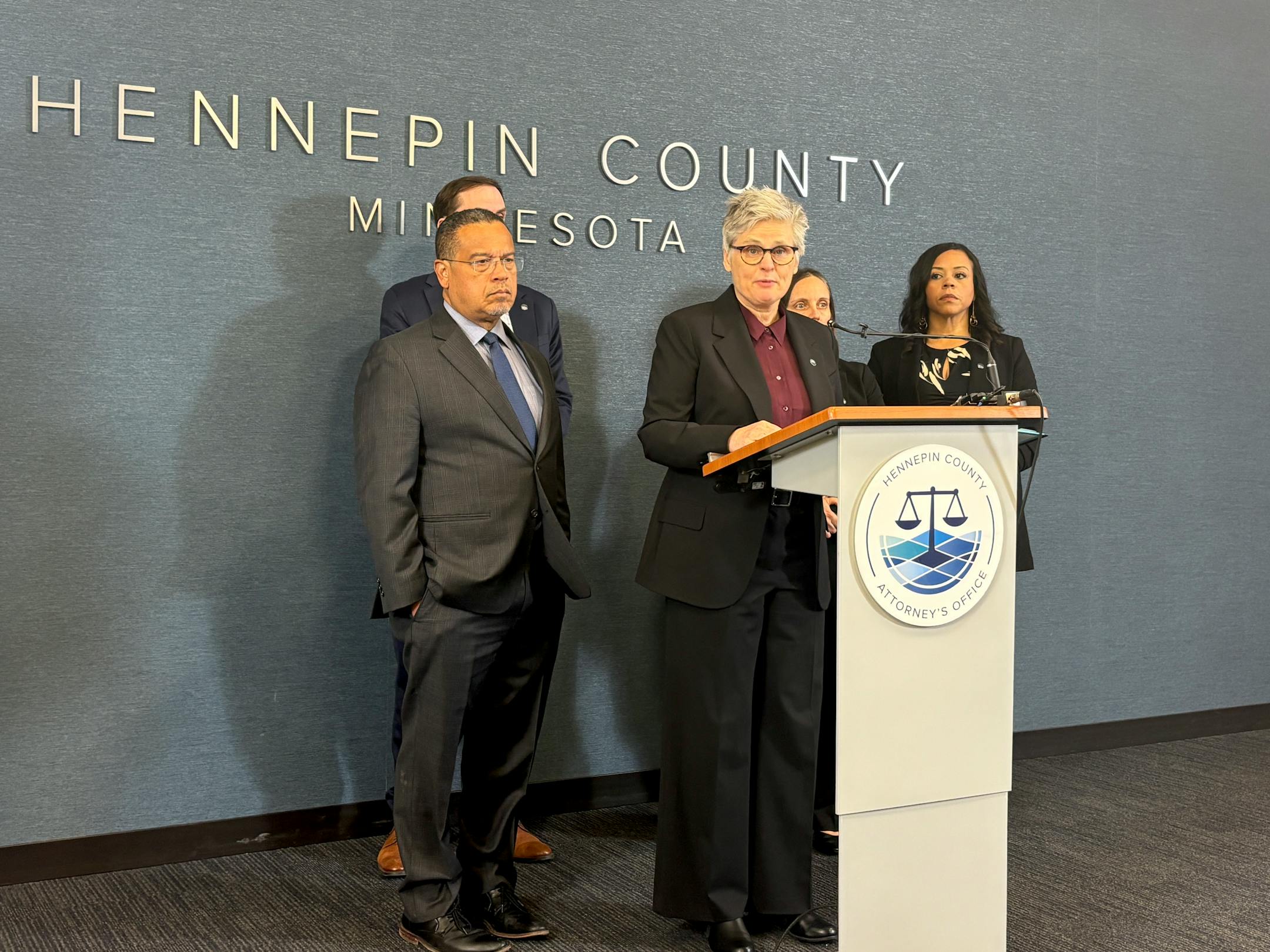
Hennepin County Attorney Mary Moriarty announces an investigation into the ICE shooting of Renee Good during a news conference in downtown Minneapolis on Jan. 9. (Emmy Martin/The Minnesota Star Tribune)

Opinion editor’s note: Strib Voices publishes a mix of material from eight contributing columnists, along with other commentary online and in print each day. To contribute, click here.

•••

She was a white woman involved in an effort to promote the civil rights of others, shot to death point-blank in her car. State prosecutors failed to secure a conviction for her murder, leading the feds to step in. They succeeded: Defendants cleared at the state level were later found guilty of violating her civil rights by killing her.

That was the death of Viola Liuzzo, murdered by Klansmen after the Selma-to-Montgomery march in 1965 — and part of a textbook Civil Rights-era pattern in which federal authorities became the backstop when local justice systems failed.
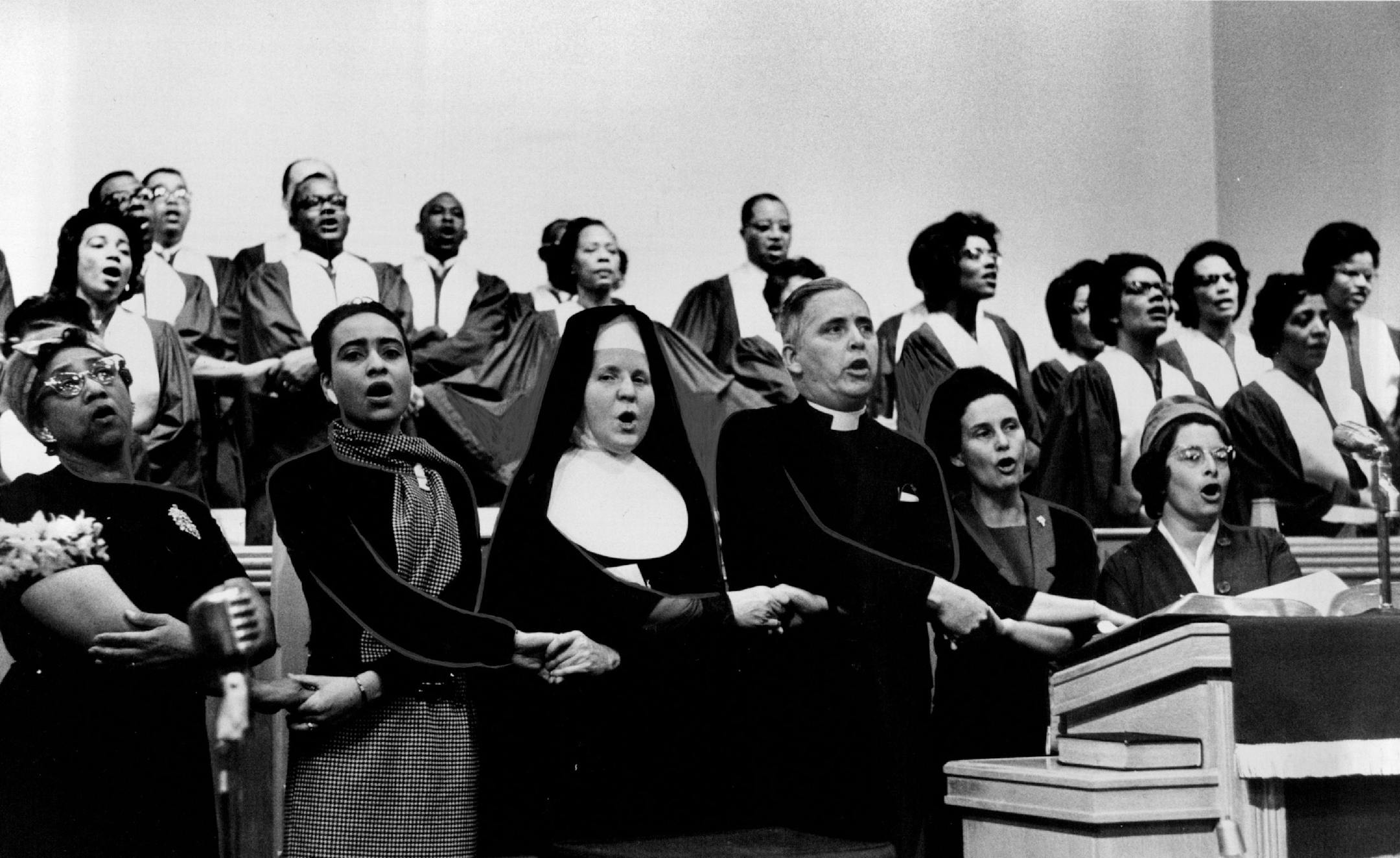
Twin Cities civil rights supporters held a memorial service for Viola Liuzzo at St. Peter's AME Church in Minneapolis in March 1965. She was "murdered by Klansmen after the Selma-to-Montgomery march," writes Robin Washington. (Bob Schranck/The Minnesota Star Tribune)

With the latest shooting death of an empathetic white woman in a car — Renee Nicole Good — the script appears to be flipping. Federal authorities have moved to control the case from the outset, with their bosses from the president on down publicly framing her killing by an ICE officer as self-defense before any investigation had even started. That probe will now be handled by the FBI, its director Kash Patel said, effectively shutting out state and local authorities.

“The fact that the FBI took this investigation away from the state police is exactly the opposite of what happened in the 1960s,” said Fred Friedman, the retired chief public defender for northeast Minnesota. “Back then, when Southern states declined to investigate or charge, the federal authorities had to come in to decide what happened. Now it’s just the opposite of what it was 60 years ago.”

Welcome to the new normal.

“We’ve reversed roles,” agreed Yohuru Williams, a University of St. Thomas history professor and director of its Racial Justice Initiative, citing the federal government’s traditional role as the ultimate protector of rights dating back to Reconstruction.

“The federal government has always been the guarantor of constitutional practice,” he said, pointing to cases after the Civil War in which Washington stepped in to challenge states that continued to enforce white supremacy and mistreat African Americans. “Now it is rewriting that rule book and saying, with JD Vance’s full-throated articulation of ‘absolute immunity’ for the ICE officer, that the states have no rights.”

In what may be a collision course through uncharted legal territory, the state isn’t giving up. Hennepin County Attorney Mary Moriarty and Minnesota Attorney General Keith Ellison announced Friday they would continue with an investigation, even without cooperation from the FBI and with a crime scene cleared by federal authorities just moments after the tragic killing. As with the Civil Rights era cases, state and federal charges aren’t the same. Murder usually falls under state jurisdiction.

Former Hennepin County prosecutor Michael Freeman said he believes a state case would lead to a conviction.

“The vice president is wrong,” Freeman, who initially brought charges against Derek Chauvin for the killing of George Floyd, told CNN’s Laura Coates on Thursday. “There are claims in some cases of federal immunity. I do not believe that would apply here.”

“We have a rogue officer acting in a malicious way who killed a 37-year-old woman in cold blood,” Freeman continued. “He had no reason to fear for his life. He had no reason to fire his weapon, and he shouldn’t have. I believe he will be prosecuted successfully in state court.”

Freeman, of course, was speaking like a prosecutor, whose purpose is to secure convictions. Justice gives equal weight to the defense, the most likely being that Jonathan Ross, the ICE officer who shot Good, genuinely feared for his life in the path of her car.

As of now, no one except Ross himself can speak to that — any more than President Donald Trump, Vance or Homeland Security Secretary Kristi Noem can say what Good was thinking or intending to do at the wheel in the final seconds of their encounter. That is precisely why investigations exist: to determine what happened, based on evidence.

Justice for Viola Liuzzo came after the state fell short, despite presenting its evidence, and the federal government stepped in. Justice for Good — and for Ross, innocent unless and until proven otherwise — no longer carries that same assurance.

about the writer

about the writer

Robin Washington

Contributing columnist

Robin Washington is a contributing columnist for the Minnesota Star Tribune. He is passionate about transportation, civil rights, history and northeastern Minnesota. He is a producer-host for Wisconsin Public Radio and splits his time between Duluth and St. Paul. He can be reached at robin@robinwashington.com.

See Moreicon

More from Contributing Columnists

See More
card image
Emmy Martin/The Minnesota Star Tribune

60 years before Renee Good, there was Viola Liuzzo. The roles played by the states and the U.S. in response to their killings seem to have flipped.

card image
card image