
Opinion | Hospitals are no place for ICE enforcement

Medical centers have a role in helping to address federal agents’ presence, and protecting the safety of their patients.

January 16, 2026 at 10:59AM
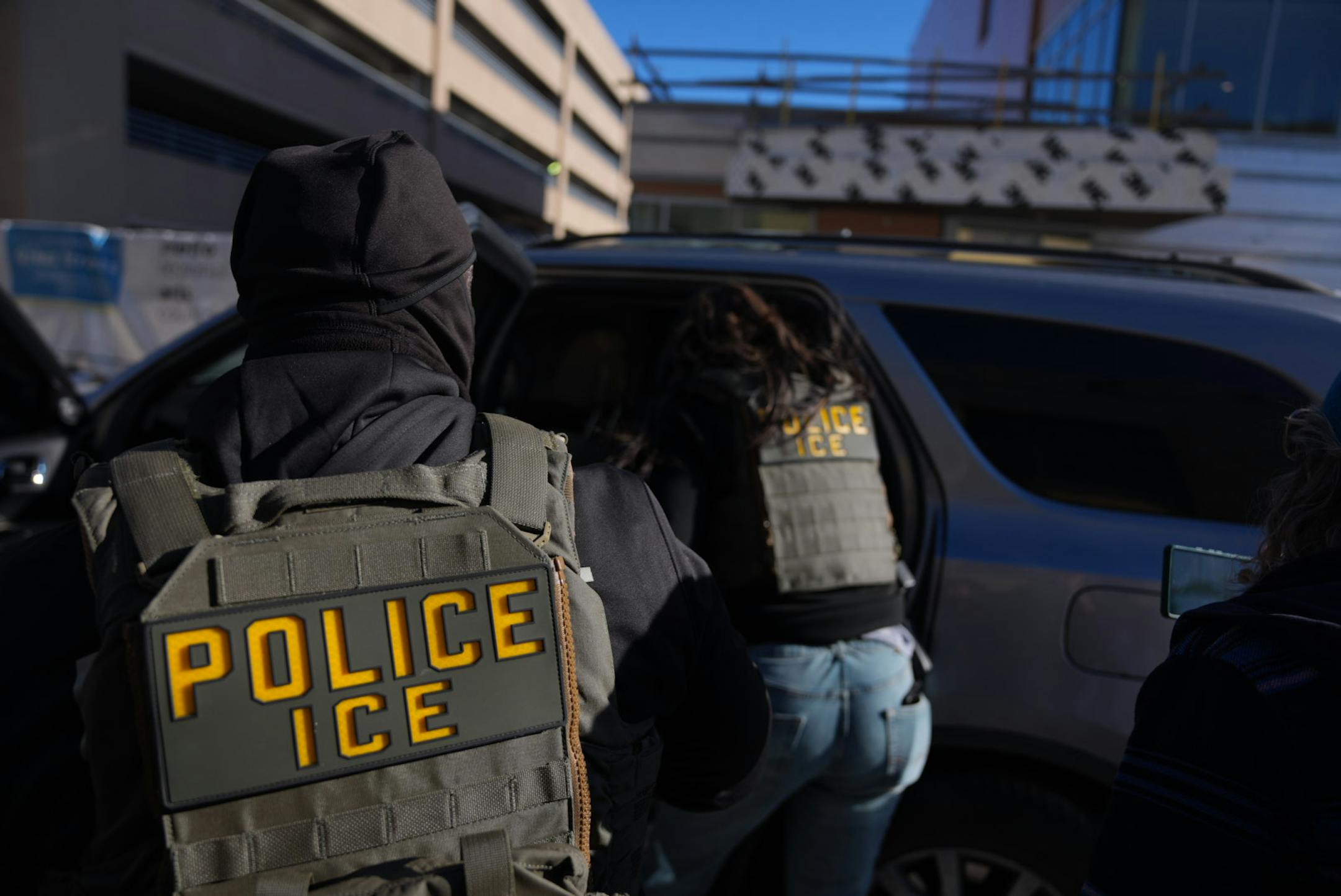
"The destructive fear of ICE [in hospitals] can affect the public health of the entire community. All of us are endangered if a person delays diagnosis or treatment for contagious diseases," Steven Miles writes. (Alex Kormann/The Minnesota Star Tribune)

Opinion editor’s note: Strib Voices publishes a mix of guest commentaries online and in print each day. To contribute, click here.

•••

ICE agents are entering and attempting to detain patients in several Minnesota hospitals. On Jan. 7, agents entered Hennepin County Medical Center’s (HCMC) emergency room and followed a seriously ill patient to a hospital room. They even shackled the patient to a bed. It took 24 hours for hospital leaders to get the agents, who did not have a warrant, to leave.

ICE — the federal Immigration and Customs Enforcement agency — is a paramilitary force for detaining and deporting persons who do not have legal standing to be in the United States.

HCMC is Minnesota’s premier safety net hospital. Its staff are incredibly skilled and compassionate at caring for all persons, especially the dispossessed and stigmatized. I, like thousands of Minnesotans, trained there, worked there and know hundreds of persons who are part of HCMC’s celebrated tradition of medical care.

ICE agents in hospitals risk causing many kinds of harm.

Fear of ICE agents is causing people to delay or forgo seeking medical care. This chilling effect is not confined to undocumented persons. Relatives, friends and people who fear being ethnically profiled also avoid medical care because of fear of ICE interrogation and detention. Thus, fear of ICE risks harming the health of persons of no legitimate interest to ICE. Some people are staying outside the medical system and turning to unqualified providers.

The destructive fear of ICE can affect the public health of the entire community. All of us are endangered if a person delays diagnosis or treatment for contagious diseases. Measles, COVID-19, tuberculosis, pertussis (whooping cough) and the new “superflu” are all increasing in Minnesota.

ICE agents’ weapons are especially dangerous in hospitals. Many patients and their families are frightened, distraught or medically delirious. They urgently want prompt medical care. ICE tactical gear, masks, firearms, Tasers, tear gas sprayers, clubs, cuffs and zip ties are a threatening backdrop to this emotionally volatile environment. ICE agents’ questions delay medical examinations and treatment. Agents are not trained to understand or de-escalate the emotional hospital environment. Agents can interpret distraught patients or families, especially when there are language barriers, as resisting or interfering with ICE agents: an explosive possibility in a hospital.

ICE in hospitals is the fundamental problem. Even so, prominent hospitals must do more to address this unprecedented threat to medical care and public health.

A public hospital, like HCMC, should be transparent about its entire policy for addressing ICE intrusions. Posting a policy summary or asserting that a current hospital policy is “largely” aligned with the UNIDOS model policy — UNIDOS is an immigrant advocacy nonprofit organization — is too muddy to fully assist this critical public discussion. It also limits the ability of a leadership hospital to be a model to the broader community of hospitals.

Hospitals should inform patients that the right to refuse to consent to the release of health information to ICE includes the right to not allow the information desk to disclose the name of an inpatient or any information about a pending discharge.

There must be a communication system to let the public know if and where ICE agents are present in a hospital.

The leadership roles for the new problem of paramilitary ICE forces in a hospital extends to the state’s attorney general as well. An injunction barring ICE from hospitals would be a good timeout.

Dr. Steven Miles is emeritus professor of internal medicine at the University of Minnesota.

about the writer

about the writer

Steven Miles

More from Commentaries

See More
card image
Alex Kormann/The Minnesota Star Tribune

Medical centers have a role in helping to address federal agents’ presence, and protecting the safety of their patients.

card image
card image