Home prices in this remote Minnesota county can rival the Twin Cities

Like the Twin Cities, Cook County is breaking sale price records this summer.

The Minnesota Star Tribune
August 2, 2025 at 12:00PM
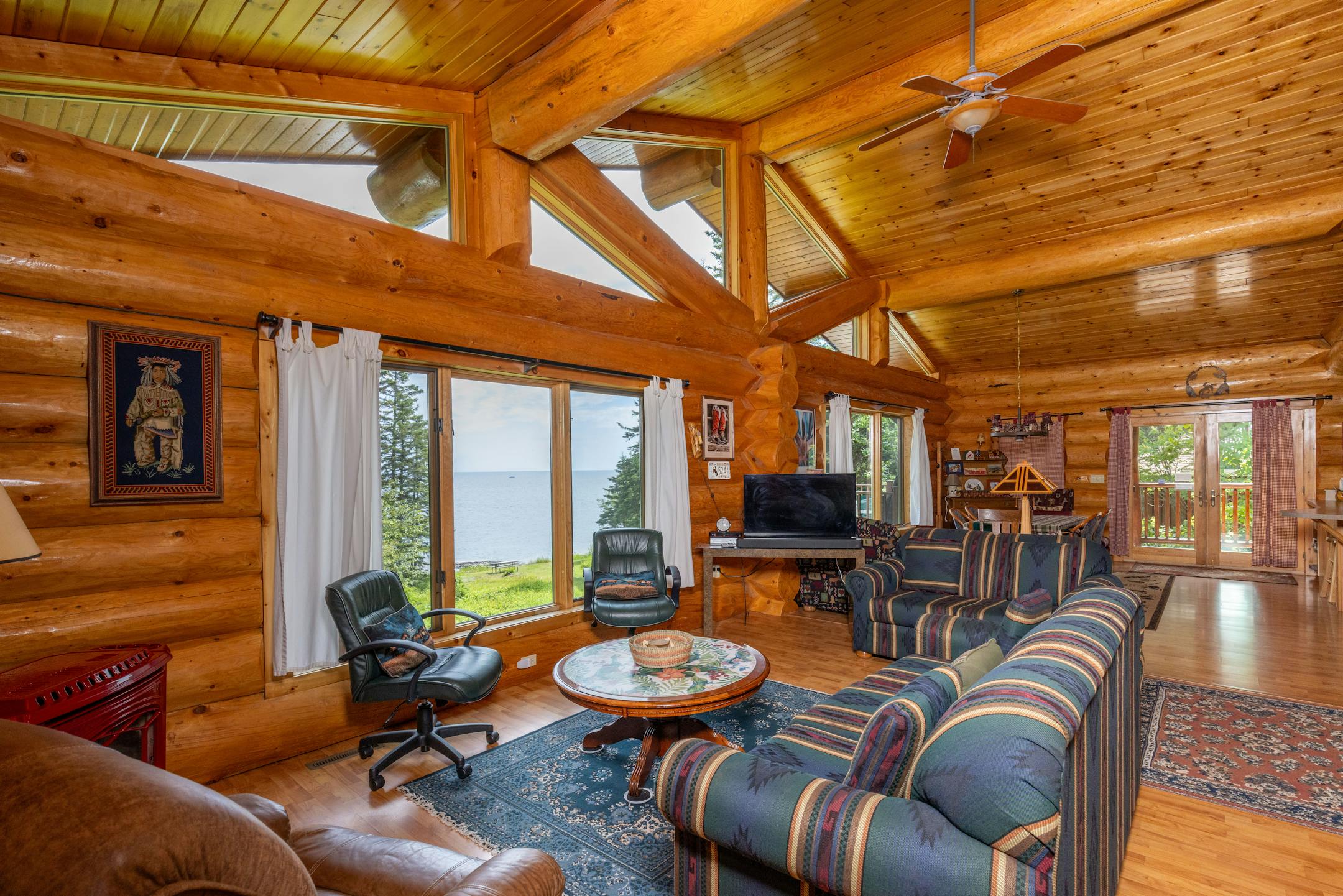
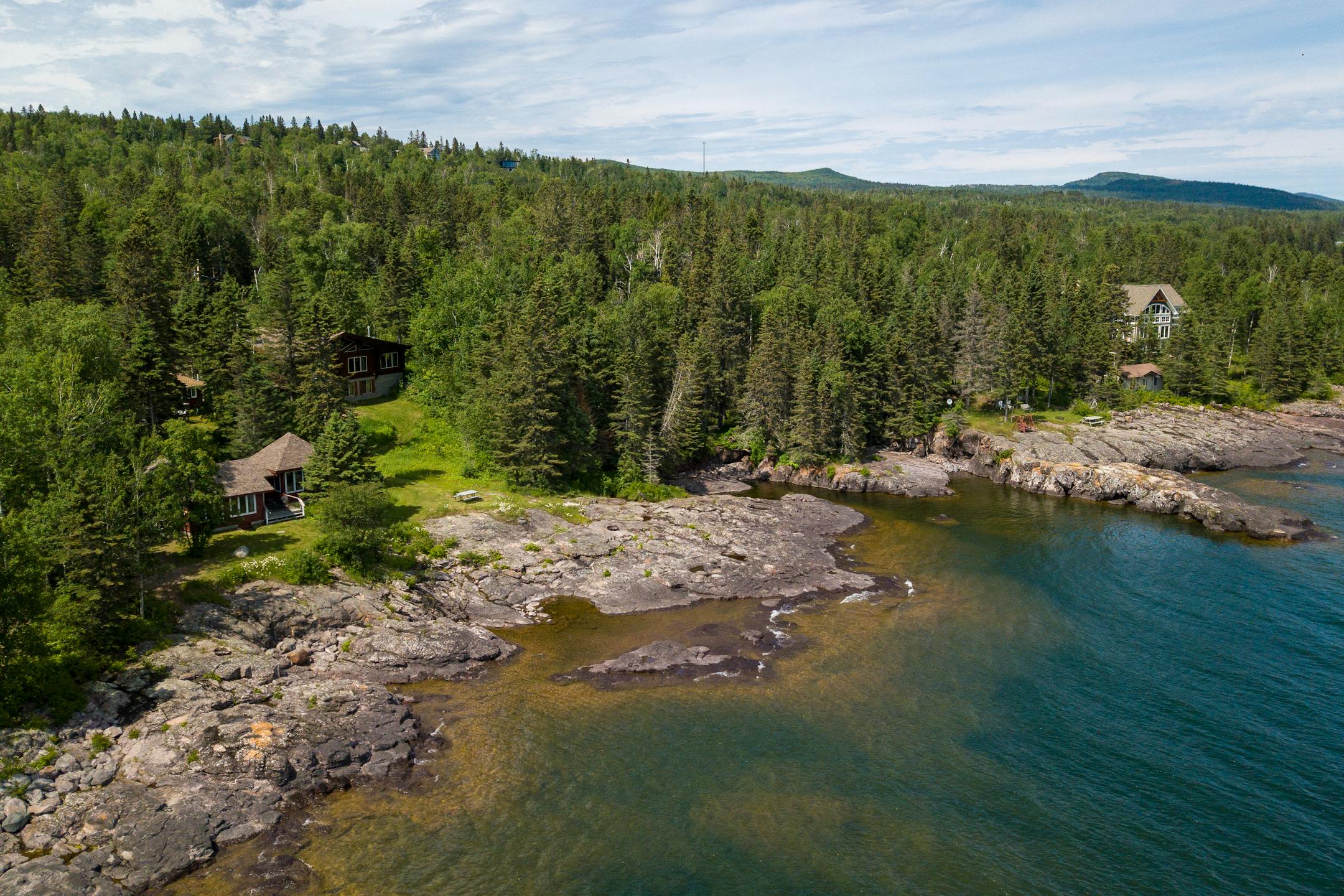
This property on Sugar Beach Drive includes a log home and two smaller cabins that were part of the Sugar Beach Resort on 132 feet of Lake Superior shoreline in Tofte. It was recently listed for $1.875 million (Todd Wildenauer)

The Twin Cities’ median home price broke $400,000 for the first time this summer, setting a new bar for the premium homebuyers must pay in the state’s most populated areas.

And while Minnesota’s rural buyers mostly enjoy lower prices, one notable exception has come into view: Cook County, a rugged outpost along the Canadian border.

Despite being one of the state’s most sparsely populated counties, it was also one of the most expensive this summer.

Popular with buyers drawn to miles of Lake Superior shoreline and vast wilderness dotted with inland lakes, the median sale price in Cook County during June was $410,000, putting it on par with much more expensive metros, according to an analysis by Minnesota Realtors.

“There’s kind of a frenzy out there, so prices are going up,” said Patti Jo Fitzpatrick, president of the group and longtime sales agent.

The median price for the rest of the state rose to a record $370,000, according to midyear home sales data.

Cook County may be a rural outlier, but virtually every county popular with second-home buyers also saw prices that rival those in some of the most popular Twin Cities suburbs, she said.

That includes Crow Wing County, home to the Brainerd Lakes area where Fitzpatrick’s in-laws built a modest lakefront cottage 45 years ago. That two-bedroom cabin, which is now used as a year-round home, shares its shoreline with a growing number of multimillion-dollar lake homes that one-by-one are replacing much smaller summer homes.

The median price in Crow Wing County during June was $350,000.

“A lot of people are still doing second and third homes and buying stuff and increasing the value of those areas,” she said.

Historically, areas outside major metros are significantly less expensive and houses take longer to sell than in bigger metros where there are better-paying jobs, more amenities and coveted school districts.

This property on Sugar Beach Drive includes a log home and two smaller cabins that were part of the Sugar Beach Resort on 132 feet of Lake Superior shoreline in Tofte. It was recently listed for $1.875 million (Todd Wildenauer)

A narrowing urban-rural gap

In some parts of the state, however, the pandemic dramatically upended those trends as remote work enabled buyers to live farther from their jobs, boosting prices in areas once dominated by weekenders.

Fitzpatrick says the shift is more than temporary. Her family’s lake used to be especially calm on weekdays, she said, while people were at school and work in the metro.

“I used to be able to look out during the week and not see much lake activity,” she said. “Now it’s seven days a week. It’s busy.”

In June 2020, houses in the Twin Cities metro sold on average in 42 days for a median sale price of $305,000. A year later, midpandemic, time-on-market dropped by half while the median sale price rose nearly 15%, according to data from the St. Paul Area Association of Realtors.

In a sign buying patterns had shifted, the average market time made a similar drop across the state but the median sale price increased nearly 20%.

Those trends largely continue. As of last month, the median sale price rose faster and pending sales were higher statewide than in the Twin Cities metro.

Statewide, houses sold on average in 35 days — four days faster than in the Twin Cities metro.

The gap in metro vs. statewide sale prices also narrowed, from 12.5% in 2020 to only 8.3% in 2025.

Fitzpatrick notes market activity varies by area, price point and segment. Minnesota Realtors said that Bemidji, Alexandria and the Detroit Lakes area had the largest gains in pending sales during June, while homes sold the fastest in the Twin Cities metro, Duluth/North Shore and Rochester regions.

Linda Garrity, broker and owner at Songbird Realty in Grand Marais, the county seat and biggest town in Cook County, said buyers are not as aggressive as they were in “the COVID years,” but it remains a very competitive market.

“With so few properties available, especially those that would be considered remotely affordable,” she said, “our North Shore micro-market does still create multiple offer scenarios.”

Case in point: Last month, a two-bedroom, year-round cottage with 5 acres and 300 feet of Lake Superior shoreline in Lutsen was listed for $995,000. Within a couple of weeks of hitting the market, a buyer paid more than $100,000 of the asking price.

Buyers in Cook and adjacent counties have a range of options, she said, from remote off-the-grid “shacks” to in-town properties. While most buyers are still shopping for a second home, she often deals with buyers who want to buy a property that can be used as a short-term vacation rental.

“Most of these properties are well outside of what would be considered the ‘affordable housing’ price range,“ she said.

She recently worked with a buyer who paid $400,000 for a 929-square-foot condo in a building overlooking the Grand Marais harbor that allows vacation rentals. The two-bedroom condo sold in about 40 days for $5,000 more than the list price.

“If a property is priced fairly, it won’t stay on the market for long,” she said. “People come here to get away from the stressors that can surround an everyday life.”

about the writer

about the writer

Jim Buchta

Reporter

Jim Buchta has covered real estate for the Star Tribune for several years. He also has covered energy, small business, consumer affairs and travel.

See Moreicon

More from Real Estate

See More
iStock
Isometric small house and green dollar sign on weight scales. Balance, price, real estate and home concept.
iStock

With the dream of home ownership out of reach for many Americans, President Donald Trump has floated the idea of a longer mortgage than the usual 30-year fixed-rate one.

card image
card image