
Counterpoint | Let facts, not fear, guide the data center debate

Such facilities are not an automatic “yes,” but neither should they be an automatic “no.”

September 19, 2025 at 10:59AM
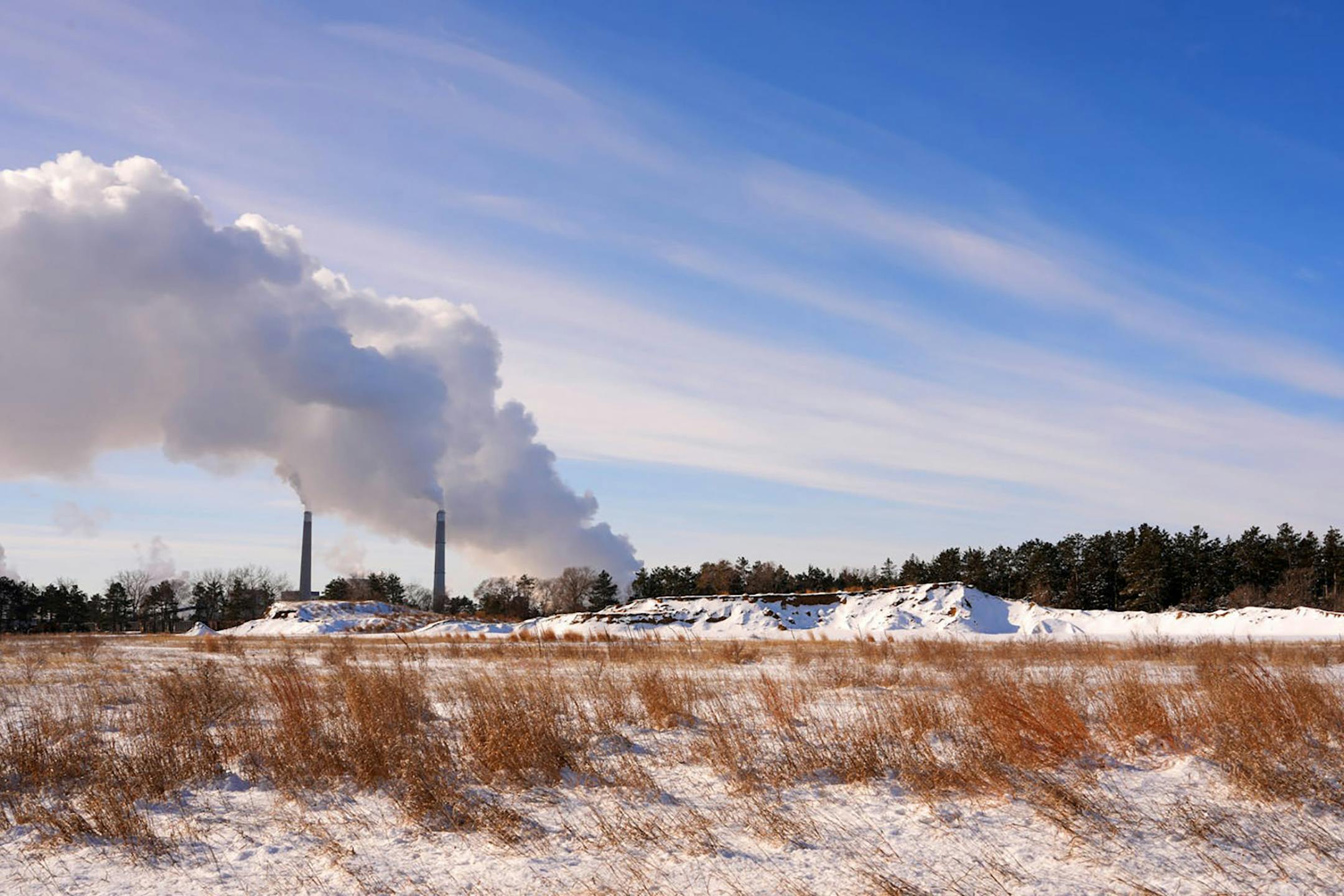
Amazon proposed a data center on a parcel of land near the Xcel Sherco coal-fired power plant, photographed Feb. 11 in Becker, Minn. (Anthony Souffle/The Minnesota Star Tribune)

Opinion editor’s note: Strib Voices publishes a mix of guest commentaries online and in print each day. To contribute, click here.

•••

Across Minnesota, and here in greater Mankato, debate about data centers has intensified. These projects are sometimes portrayed as secretive or harmful, but when thoughtfully planned and regulated, they can deliver significant economic benefits while meeting high environmental standards (“Are Minnesota cities secretly building data centers? Residents deserve to know,” Sept. 11).

Data centers are the backbone of the digital economy. They house the infrastructure that powers our online commerce, streaming, education and health care systems. Attracting one to greater Mankato represents a potentially transformative investment and a chance to diversify our economy. Construction injects millions of dollars into local businesses, from union electricians and steel workers to local contractors, restaurants and suppliers. The economic ripple effects reach far beyond the building site.

Once operational, data centers employ skilled technicians, security personnel, facility managers and maintenance staff. These are high quality jobs that support families and help retain talent in our region.

Large commercial projects also expand our property-tax base, helping hold the line on residential property taxes, which benefits every homeowner within that jurisdiction.

Minnesota’s environmental review laws and the public’s right to know are foundational. Suggesting that data center projects are categorically “secret” ignores how large investments are negotiated in competitive environments. Developers and municipalities across the nation often use nondisclosure agreements in the exploratory stage. This does not mean the public is left out forever. It allows companies to assess feasibility before committing to a public process.

We should also recognize that organizations outside our community may have different perspectives or priorities, but decisions about greater Mankato’s future are ultimately best made by those who live and work here. Residents, local officials and business leaders are closest to the issues and understand our community’s needs and values, making them best positioned to shape a balanced approach.

Once a project reaches the permit stage, Minnesota’s environmental review system takes effect and local governments are legally bound to comply with it. Environmental review documents are public, meetings are held and residents can submit comments. This process is designed to balance economic development and environmental protection while providing robust opportunities for citizens to weigh in before construction begins.

Concerns about energy use, water consumption and noise are valid questions, and deserve fact-based answers. Modern data centers are far more efficient than those built even a decade ago. Companies routinely commit to renewable energy sourcing, advanced cooling systems and stringent stormwater controls to meet local and state standards. In some cases, data center investment has accelerated renewable energy deployment in Minnesota, benefiting the broader grid.

Water usage, while potentially significant, is highly site-specific and subject to state permits and local water management plans. Greater Mankato and other Minnesota communities can require mitigation measures, reclaimed water use or other conservation practices before approving such projects.

Likewise, noise and light are governed by local ordinances that must be satisfied before a building permit is issued.

Comparisons to massive stadiums or power plants may grab headlines, but they often exaggerate or oversimplify. A facility’s size on paper does not automatically equate to disproportionate impact on the environment or community. The real question is whether a data center is responsibly planned and operated under Minnesota’s strict environmental standards.

Critics sometimes imply that communities are rushing these projects. In reality, data center developments take years of planning, site evaluation and permitting. Companies conduct extensive due diligence on everything from soil stability to energy infrastructure before filing an application. Local officials and residents alike have ample opportunities to review and comment on any formal proposal before shovels hit the ground.

Minnesota is competing nationally and globally for high-tech investment. States like Iowa, Nebraska and North Dakota are aggressively courting data center projects. If Minnesota develops a reputation as hostile or unpredictable, we risk losing out on thousands of construction jobs, millions in local tax revenue and a chance to anchor our communities in the 21st-century economy.

That does not mean giving companies a free pass. It means insisting on rigorous but fair oversight. We should demand transparency at the appropriate stage, enforce environmental rules and ensure that community voices are heard. But we should also recognize the upside and not let fear or misinformation push away investment that could strengthen our future.

Greater Mankato has always been a community that plans carefully and balances growth with quality of life. Data centers are not an automatic “yes,” but they also should not be an automatic “no.” They represent an opportunity to diversify our economy, expand our tax base, create good jobs and bring cutting-edge infrastructure to our region while operating under Minnesota’s strong environmental safeguards.

Let us have a transparent, fact-based conversation about these proposals. Let us hold developers accountable to high standards, but also give them the chance to show how they can meet those standards. With an open mind and a commitment to both prosperity and sustainability, greater Mankato can set an example for how Minnesota communities can embrace the future without sacrificing our values.

Andy Wilke is executive vice president of Greater Mankato Growth.

about the writer

about the writer

Andy Wilke

More from Commentaries

See More
card image
Shari L. Gross/The Minnesota Star Tribune

If you want people to use public transit and age in place, they have to be able to safely get around.

card image
card image