Opinion editor’s note: Strib Voices publishes a mix of material from 8 contributing columnists, along with other commentary online and in print each day. To contribute, click here.
•••
Hemp opened the door to my cannabis career. Please don’t let Washington slam it shut — especially not by confusing what the plant makes with what chemists cook up after the fact.
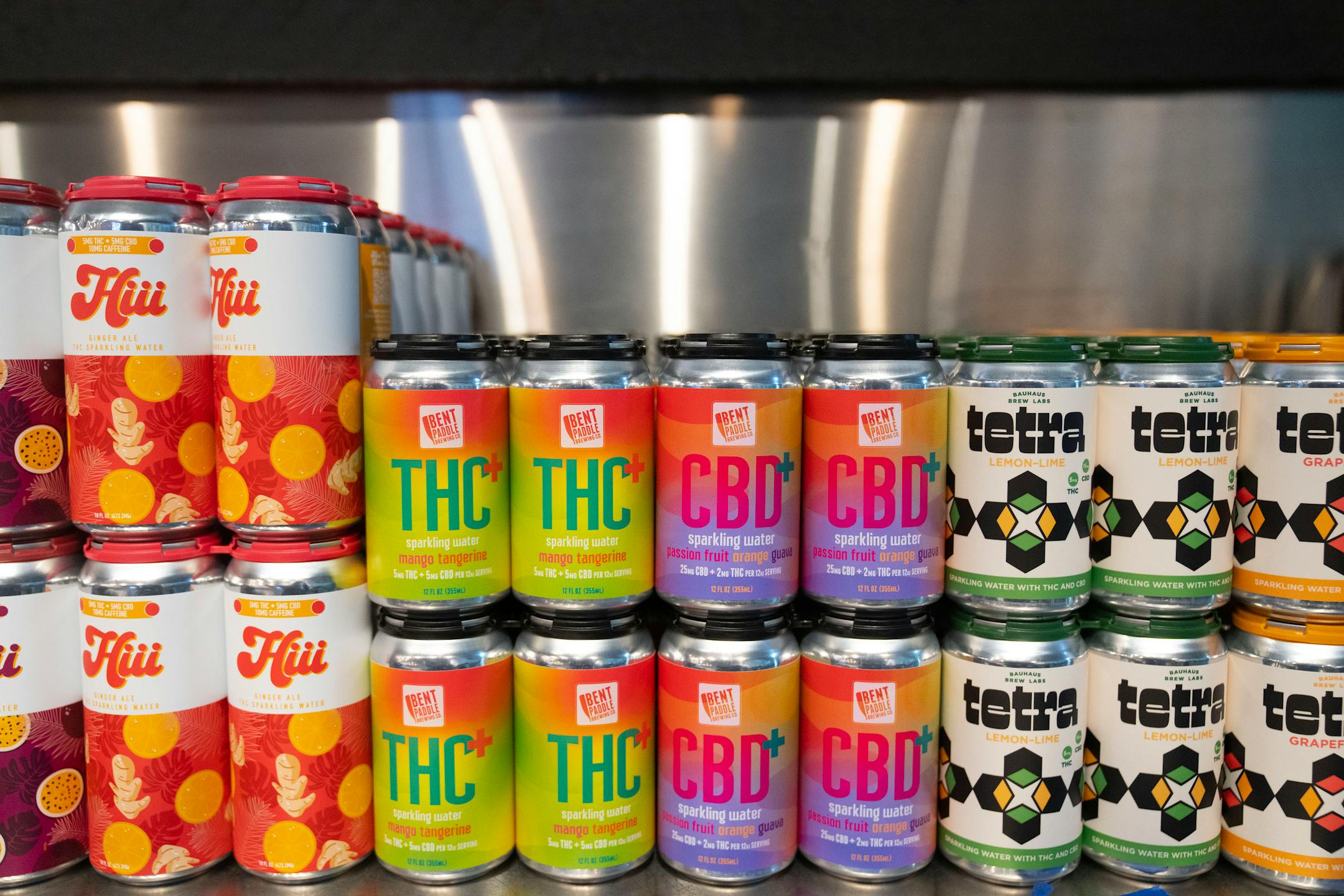
Minnesota’s 2022 framework for hemp-derived THC (5 mg per serving for edibles, later clarified so beverages can be up to 10 mg) gave our state a pragmatic middle path. It didn’t just serve curious consumers; it taught a generation of makers and retailers how to card, label, batch-test and be accountable. It kept small breweries afloat with responsibly dosed seltzers as beer sales softened.
And it gave me and many others a bridge from lab bench to local business long before a single adult-use cannabis license existed in the state. That bridge became a runway when Minnesota legalized recreational use and stood up the Office of Cannabis Management. After launching Doctor Dabs, a Minnesota hemp-based edibles business, I’m now building a licensed dispensary and cultivation site, hiring Minnesotans and investing for the long term — clean rooms, airflow and hygiene plans, electrical designed for expansion and tech and training so a new hire can become a craftsperson, not a cog.
Which is why the latest news from Washington hits like a wrecking ball. A federal shutdown deal approved by Congress caps THC in hemp products at 0.4 milligrams — a level that would erase Minnesota’s carefully regulated, potency-limited market and everything it has taught us.
It’s a blanket hammer swing that flattens compliant businesses right alongside the bad actors the bill claims to rein in. It would detonate a thriving Minnesota ecosystem from taprooms to small manufacturers.
If Congress wants to protect the public, here’s the line that actually matters: Keep the intoxicating cannabinoids the plant makes, get rid of the synthetic ones and require a uniform 21+ age restriction in every state.