
Opinion | Congress, don’t wreck Minnesota’s flourishing THC market

A federal overreach banning most hemp-derived THC would crush responsible businesses and erase the progress Minnesota worked hard to build.

November 11, 2025 at 7:43PM
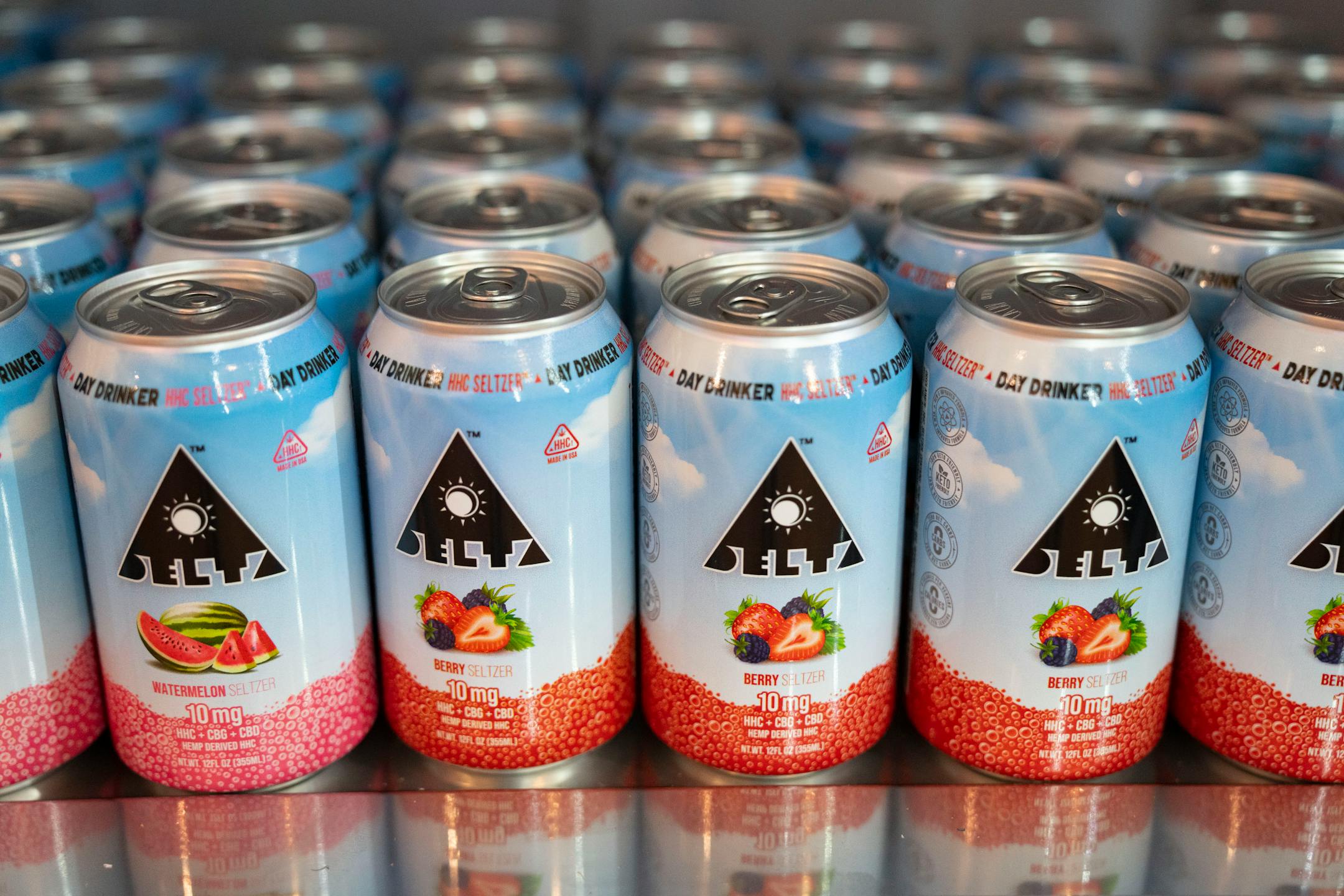
HHC seltzer on shelves on June 23, 2022, at Nothing But Hemp in St. Paul. (Alex Kormann/The Minnesota Star Tribune)

Opinion editor’s note: Strib Voices publishes a mix of guest commentaries online and in print each day. To contribute, click here.

•••

In 2018, Congress made a bipartisan decision that reshaped agriculture and small business across the country: It legalized hemp. The intent was clear — to create a legal pathway for innovation, investment and opportunity. For many of us who believed in responsible regulation and local economic growth, that was the start of something meaningful.

Now, just seven years later, that progress is being threatened once again. The U.S. Senate has passed a government funding bill that includes language redefining hemp so narrowly that it would effectively make hemp-derived THC products illegal nationwide. That single provision, buried in a much larger spending package, would wipe out years of careful work in states like Minnesota that have already built responsible, regulated frameworks.

It’s a move that risks undoing what bipartisan cooperation once got right.

I understand the concerns that led to this discussion. There are bad actors out there — companies cutting corners, states that never established guardrails and products appearing in places they shouldn’t. Everyone agrees that stronger oversight is needed. But the solution isn’t to punish the people and states that have done the hard work of building systems based on safety and accountability.

Here in Minnesota, we’ve built a thoughtful model that puts public safety and compliance first. Edibles are limited to 5 milligrams of THC per serving and 50 milligrams per package. Beverages are capped at 10 milligrams per can, and every sale requires ID verification for customers 21 and older. All products must be tested in certified labs, packaged responsibly and labeled accurately. We even banned direct-to-consumer shipments from out-of-state sellers to keep non-compliant or misleading products from entering our market.

That’s what leadership looks like.

Minnesota’s framework has created jobs, generated new tax revenue and given local farmers and small businesses a transparent, well-regulated marketplace. It helps fund local initiatives, supports enforcement and gives consumers confidence that what they’re buying is safe and compliant.

Now, with the Senate’s version of the bill moving forward, that progress hangs in the balance. The House still has the opportunity to act and to recognize that a one-size-fits-all prohibition isn’t the answer, and to remove this language before it becomes law.

We should absolutely address the problems in states that lack oversight. But let’s be honest. Banning or restricting the entire category isn’t reform; it’s a step backward and one that would destroy jobs, erase millions in state tax revenue and push consumers back toward unregulated, unsafe markets online.

If Congress truly wants to protect consumers, it should start by learning from states like Minnesota. Strengthen the systems that already work. Support those working to improve. Hold the bad actors accountable, but don’t dismantle what’s working responsibly and safely.

In Minnesota, we’ve proven the industry can coexist with integrity, accountability and consumer protection. The responsible path forward isn’t destruction; it’s collaboration.

Let’s keep leading with common sense, not fear. And let’s protect the states that got it right.

Jon Halper is the owner and CEO of Top Ten Liquors, a Minnesota-based retailer operating 15 stores statewide.

about the writer

about the writer

Jon Halper

More from Commentaries

See More
card image
Evan Vucci/The Associated Press

The first rule about dark money is to quit blabbing about it.

card image