

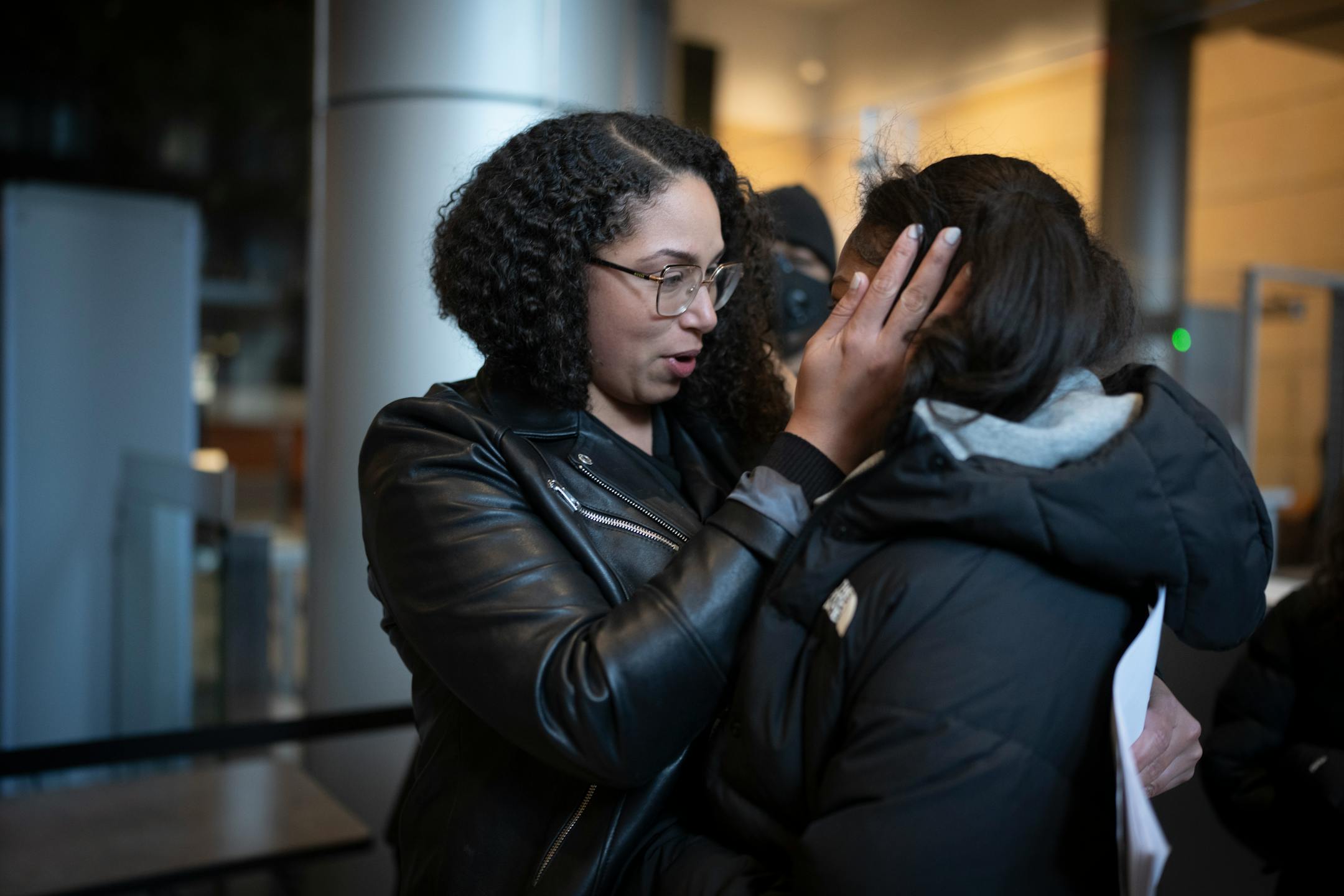
Opinion editor’s note: Strib Voices publishes a mix of guest commentaries online and in print each day. To contribute, click here.
•••
Jan. 18 was a Sunday morning. I was on my 11th straight day of covering the unrest in Minnesota after the fatal shooting of Renee Good. I was exhausted. The 14- and 16-hour days were catching up with me.
But that day, I went to work as a journalist again, documenting a small gathering of community members at Cities Church in St. Paul. They were there taking issue with one of the pastors of that church, who was apparently also working as the acting field director for Immigration and Customs Enforcement’s St. Paul field office. I was one of the journalists who documented what happened that day.
Twelve days later, I woke up to forceful knocking at 6 in the morning. The men at my door identified themselves as federal agents and claimed they held an arrest warrant for me. I began to pace back and forth, unsure if what they were holding was a legitimate warrant. I had already prepared myself for the possibility of being arrested, because of the amount of publicity around the church protest and because of threats to arrest Don Lemon, another independent journalist who covered the protest. Still, nothing prepared me for the terror of the moment. The agents continued to knock and demand that I come out. My mother was with me; through the door, she told them I would come out if we could send a copy of the warrant to my lawyer to verify its legitimacy.
By now, my 17-year-old daughter was awake and crying. She crawled out of her room, staying low, afraid that agents would see her through the window. I was trying to console her because I didn’t want her to wake up my younger daughters. One woke up anyway; she just lay in bed, crying.
I went live on Facebook to alert the public. When my lawyer confirmed the legitimacy of the warrant, I walked outside and surrendered to the nearly two dozen agents outside my home. I couldn’t help but think: All this for one woman? I informed the agents that I was a member of the press and that this was a violation of my First Amendment rights, but they proceeded to handcuff me. Several agents wore Drug Enforcement Administration vests. It was humiliating to think what my neighbors might speculate when they saw DEA agents.
I was transported in a large SUV to the federal Whipple Building. There I was fingerprinted and held in a cell in a wing that I was told was for “U.S.C.s,” or United States citizens. I asked for my lawyer several times. She was in the building, asking to see me. But at Whipple, we were not permitted to meet or talk.


