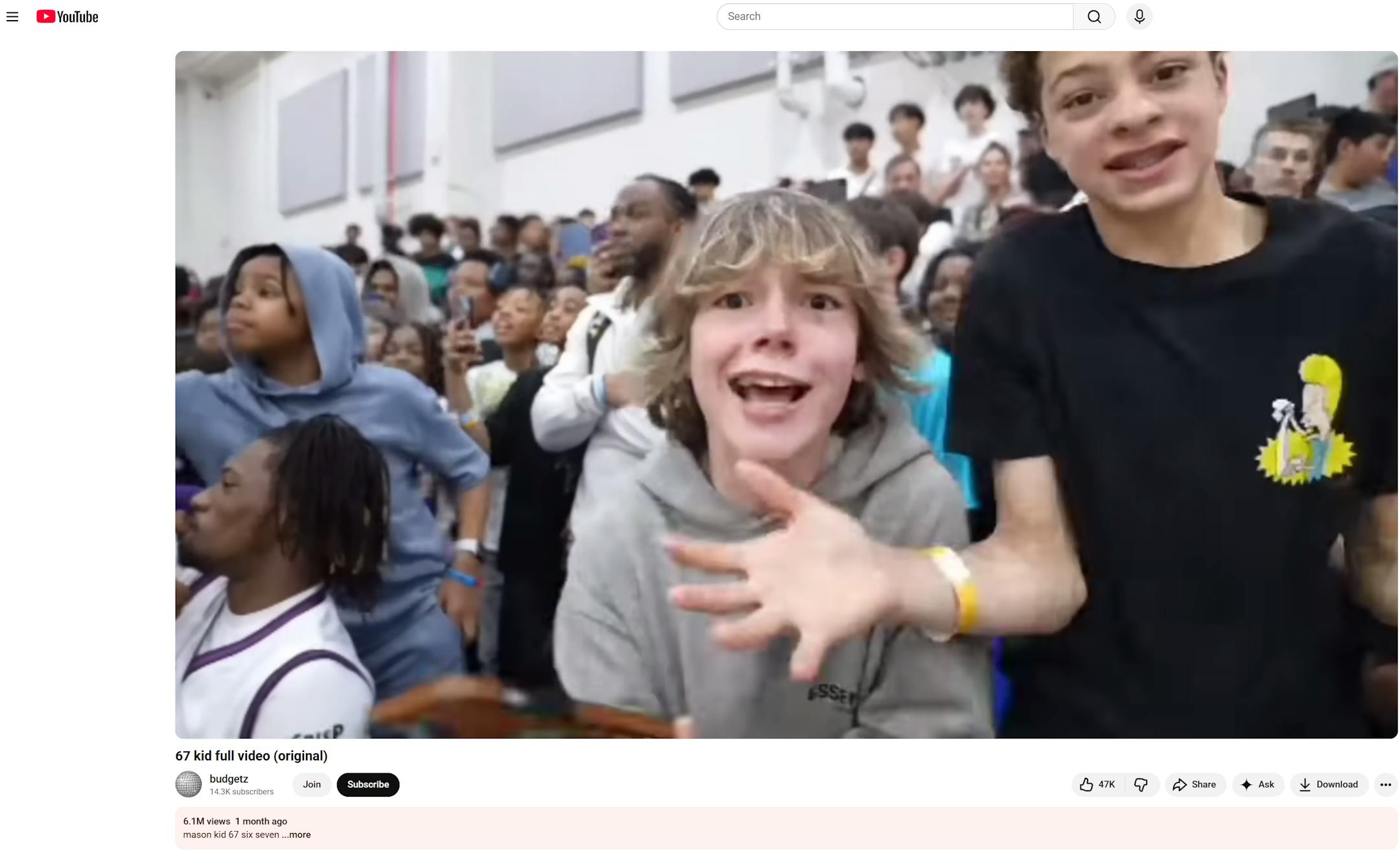
Wordsmiths waxed poetic about 6-7 when they announced it as Dictionary.com’s Word of the Year. “It’s part inside joke, part social signal and part performance,” said Steve Johnson, director of lexicography for the Dictionary Media Group at IXL Learning. “When people say it, they’re not just repeating a meme; they’re shouting a feeling."
Is it stupid? Of course! But the beauty of this phrase is that it means, at least in middle-school parlance, nothing at all. Believe me, I’ve tried to discern the rules for its usage. As my 12-year-old son says, irked by my cluelessness: It’s just a meme, Mom. (And it’s hardly a new trend; my boys have been shouting “6-7!” since February. But it seems to have more staying power than other nonsensical tween terms, and it is uttered with far more ebullience.)
What used to annoy us, we now accept. And I’d argue that for most parents, 6-7 is preferable to hearing about 69. It’s an endearing, nonsexual joke that brings us a little joy and togetherness, especially when you compare it to other viral catchphrases like “skibidi toilet.” When you find sixes and sevens in the natural world — which we do all the darn time — one can’t help but join in.
Claire Halpert, the mom of two children ages 8 and 5, is hardly peeved when her kids say it.
“If you hear it all day long, your brain just wants to do it,” said Halpert, a professor of linguistics at the University of Minnesota. “It’s pure playfulness. To me, that’s part of the fun of it. It feels special, even to adults.”
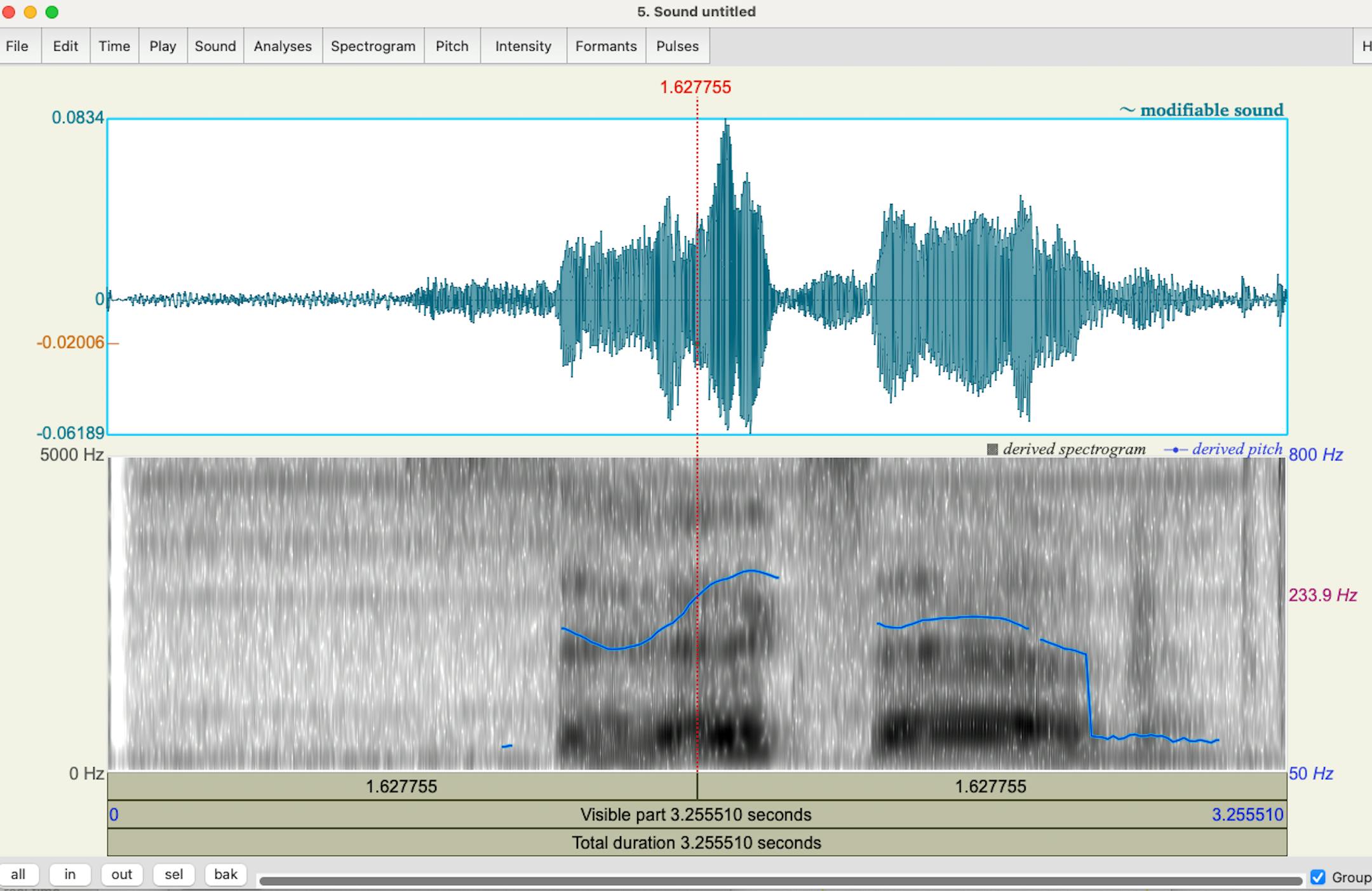
She intones the phrase just like her kids do, with a high, punchy “six” followed by a deep, drawn out “sehhhh-ven.” The singsong pitch contour, along with the rhythmic pattern consisting of short-long-short syllables, make it pleasing to the ear, she said.