From Grand Marais to Farmington, read 8 Minnesota books exactly where they take place

August 9, 2025
Illustration by the Minnesota Star Tribune/Getty Images

Jon Hassler, Marcie R. Rendon and others set their books all over the state. Why not read them next to Lake Superior or in a library where a mystery deepens?

The Minnesota Star Tribune

The Land of 10,000 Lakes probably has inspired at least 10,000 writers to boot up their laptops.

Everyone from Louise Erdrich to Garrison Keillor to mystery writer Brian Freeman (who wrote puzzlers set in Duluth) has chronicled the state they love. And, because they know it so well, they imbue their works with a strong sense of Minnesota. Which is why it’s such a great idea to read a Minnesota book exactly where it’s set.

I explored that idea last year in a popular feature, and here are eight more possibilities to double up on your Minnesota reading:
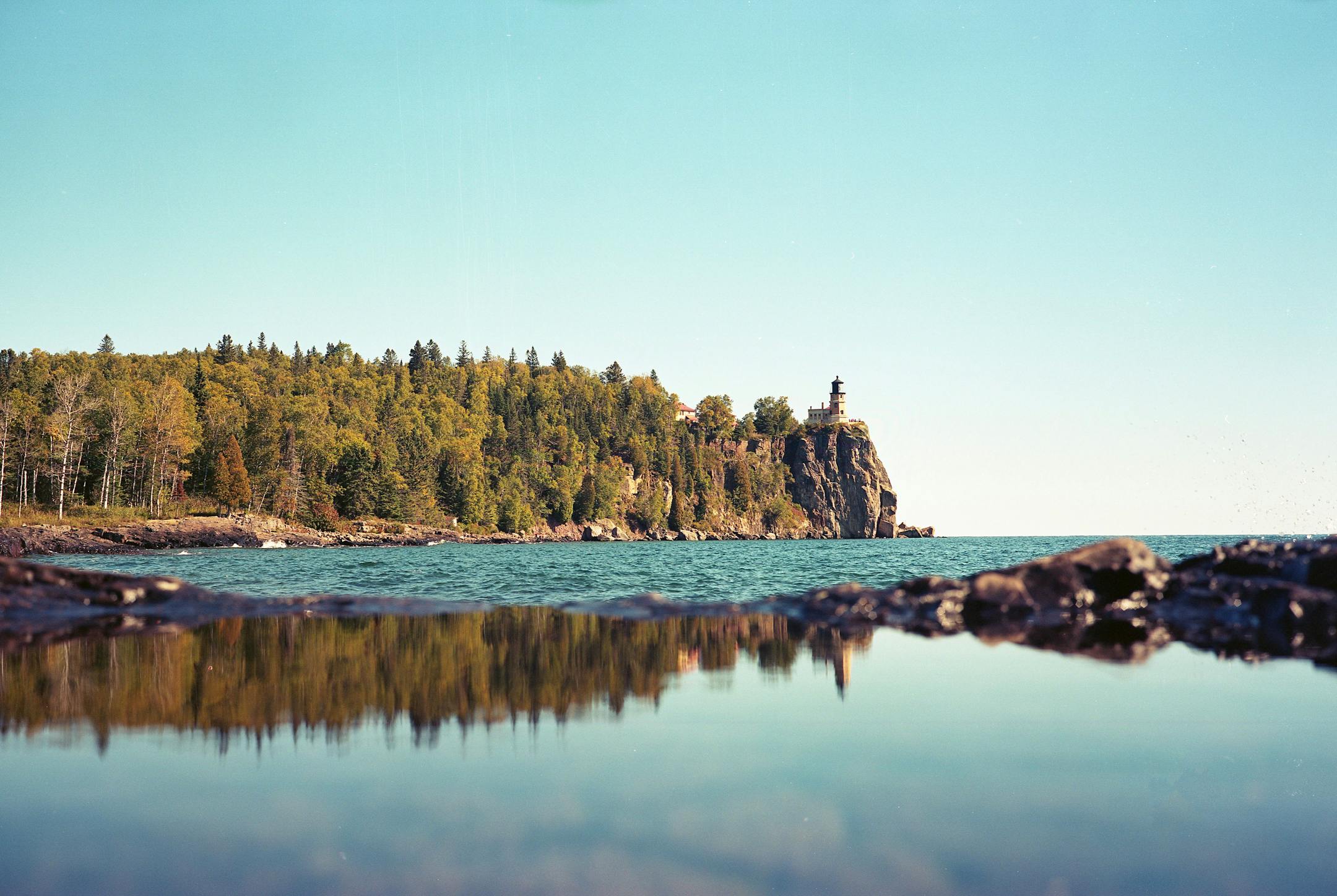
Split Rock Lighthouse is reflected in a puddle near Lake Superior in 2022. (Alex Kormann/The Minnesota Star Tribune)

Anywhere With You, Ellie Palmer

Worshippers prayed at Minneapolis' Church of the Incarnation, which is featured in Jon Hassler's memoir, "Days Like Smoke." (Jeff Wheeler/The Minnesota Star Tribune)

Days Like Smoke: A Minnesota Boyhood, Jon Hassler

MN quote: “Our house on South Aldrich in Minneapolis stood a dozen long blocks from the Church of the Incarnation, a handsome Romanesque structure with white marble statuary standing out against the dark brick, but without (it seemed) a basement. Here, in 1930, my parents had been married, and here, on Easter Sunday 1933, I had been baptized.”

MN mentions: About a million. Hassler’s dad worked for Red Owl grocery stores, including one in Plainview, where Hassler spent much of his youth and where he writes that he “acquired the latent qualities necessary to the novelist.” The writer of “Staggerford” and “A Green Journey” talks about the real-life inspiration for his books, reminisces about favorite movies including a misspelled “Pinocchio” and references his mom clerking at Dayton’s department store. “Days” is so packed with Minnesotiana that you could sit down on a park bench almost anywhere in the state and the view would include some place cited in the late author’s memoir. That includes Incarnation (which has a basement, by the way).
black and white photo of the funicular in Duluth
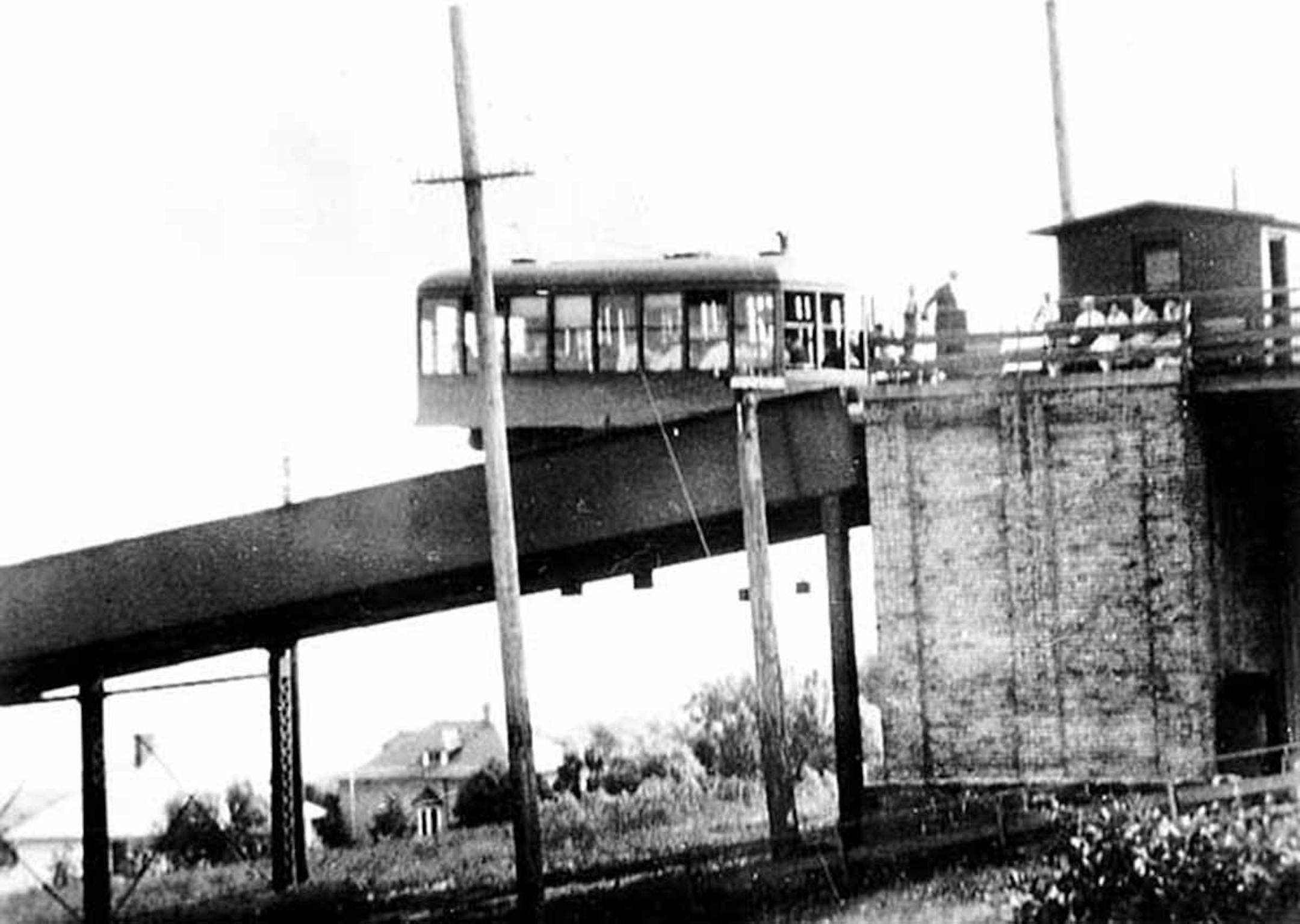
A view of a car at a boarding stop on the inclined railway in Duluth, Aug. 1, 1926. (Minnesota Historical Society)

A Lesser Light, Peter Geye

MN mentions: Sadly, the incline — the funicular that transported folks between downtown Duluth and the hill above it — is no longer (neither is the saloon that stood at the foot of it). So you can’t read “A Lesser Light” while obsessively going up and down on it. But Superior Street remains and so does that impressive hill. Much of the book takes place in and around a nearby lighthouse, which is not unlike Split Rock.
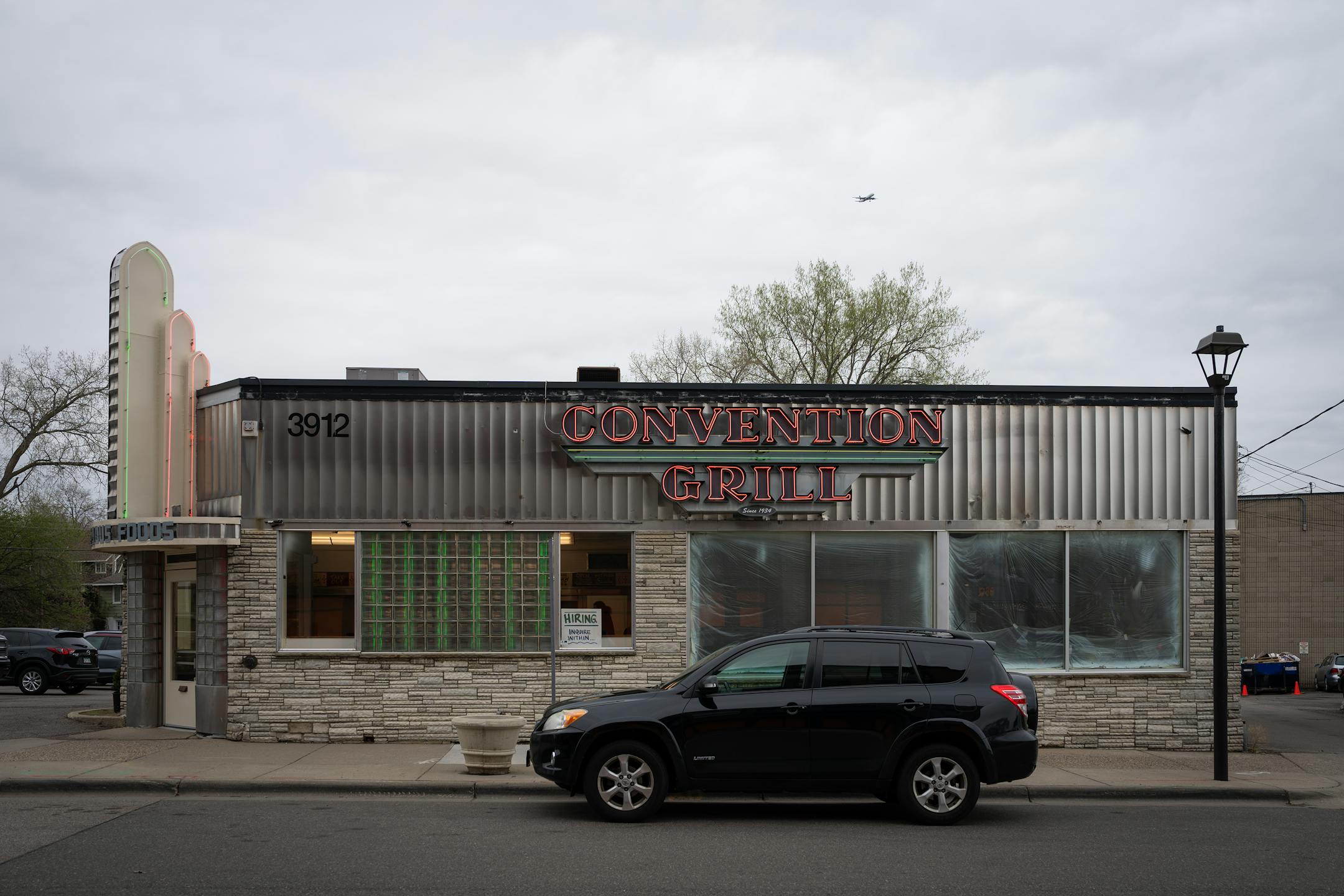
Neighborhood favorite Convention Grill in 2024. (Shari L. Gross/The Minnesota Star Tribune)

The Murder Show, Matt Goldman

MN mentions: First off, how dare Goldman not mention the beloved Edina restaurant’s unbelievable malts? The author does name-check the Walker Art Center, cabins on the North Shore and the named-after-presidents-in-the-order-they-served streets in northeast Minneapolis but it’s hard to beat a counter seat, a good book and a coffee/Oreo malt. You can thank me later.
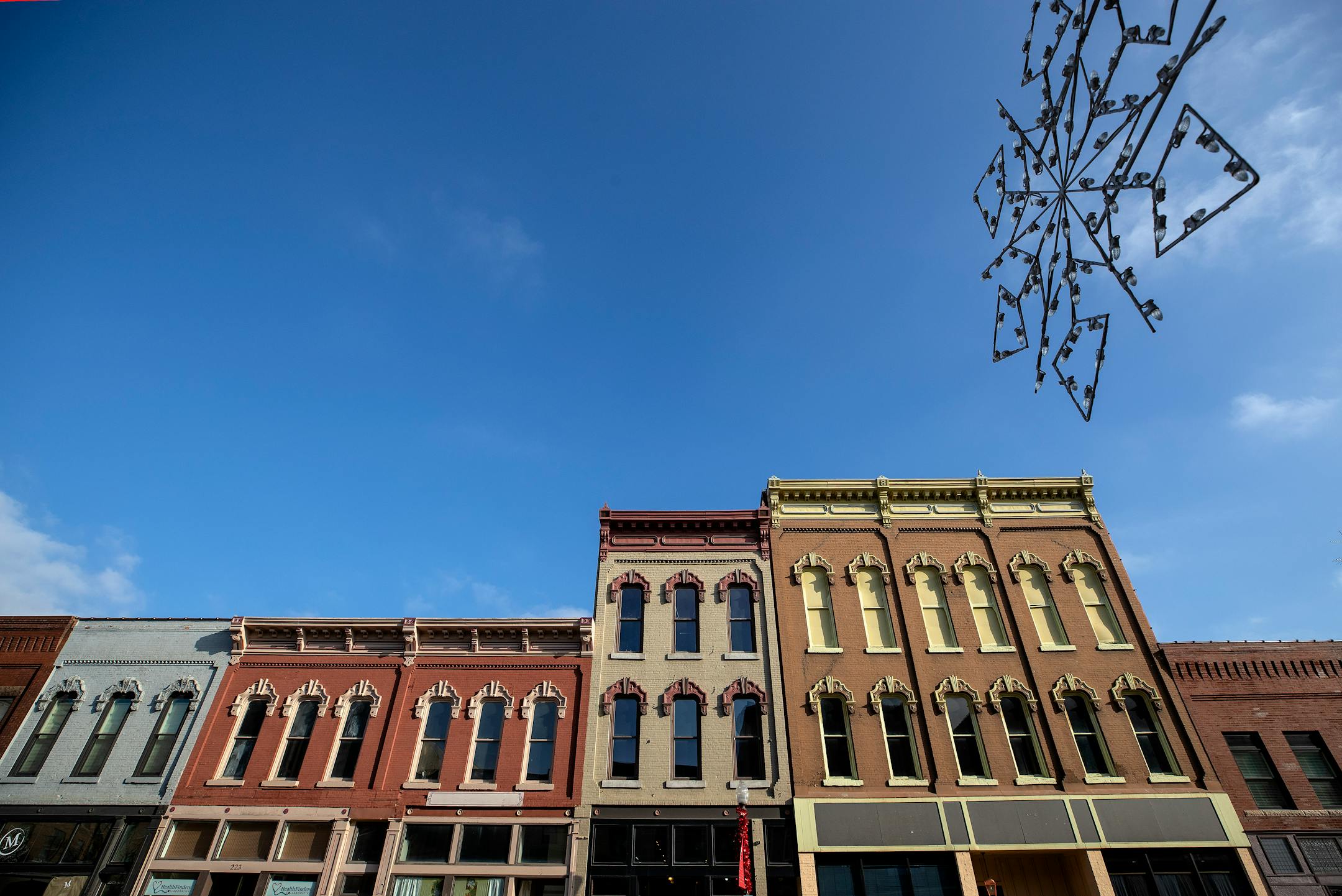
Downtown Faribault is one of many Minnesota stops in "Pike Island." (Carlos Gonzalez/The Minnesota Star Tribune)

Pike Island, Tony Wirt

MN mentions: The sheriff’s office might not seem like the funnest place to read a book but better to go there voluntarily than involuntarily, right? It is indeed in Faribault, in the new Rice County Public Safety Center, which opened last October. Why not see how your tax dollars were spent? The book notes other places in Rice and Olmsted counties as it toggles back and forth between Minnesota and Washington D.C. By the way, that statute — addressing which law enforcement records are public — is correct.

Farmington, Minn. in 1991. It's one of the locations mentioned in Eskens' "The Quiet Librarian." (The Minnesota Star Tribune)

The Quiet Librarian, Allen Eskens

MN mentions: Eskens’ book covers a lot of territory, including a car mechanic in St. Paul’s Midway neighborhood and a Goodwill in Frogtown (technically, there is no Goodwill in Frogtown but there’s one that’s quite close). But what better place to read than in a library? Not on a Sunday, though. The Farmington branch is closed on Sundays.

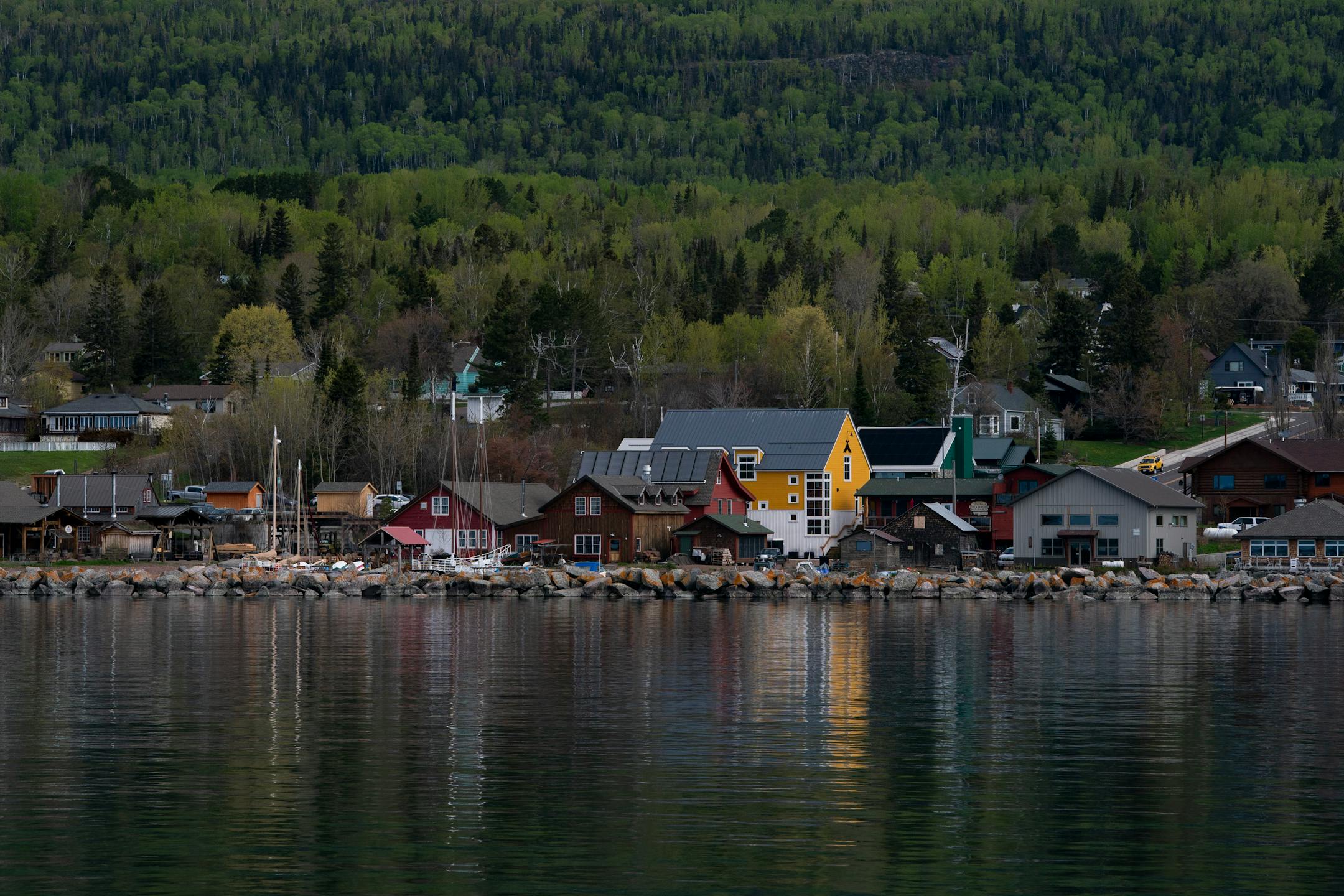
Grand Marais harbor was the site of an unfortunate memory in "Seven Aunts." (Erica Dischino/For the Minnesota Star Tribune)

Seven Aunts, Staci Lola Drouillard

MN mentions: Drouillard’s family takes side trips to Winnipeg and elsewhere but almost all of the book takes place in Minnesota. So it works as a nostalgic trip through the past (fabled Mabel’s Cafe, now the Cook County Co-op in Grand Marais, gets name-checked) and present.

Many of Minnesota's exports move through the Duluth Harbor. (AARON LAVINSKY/aaron.lavinsky@startribune.com)
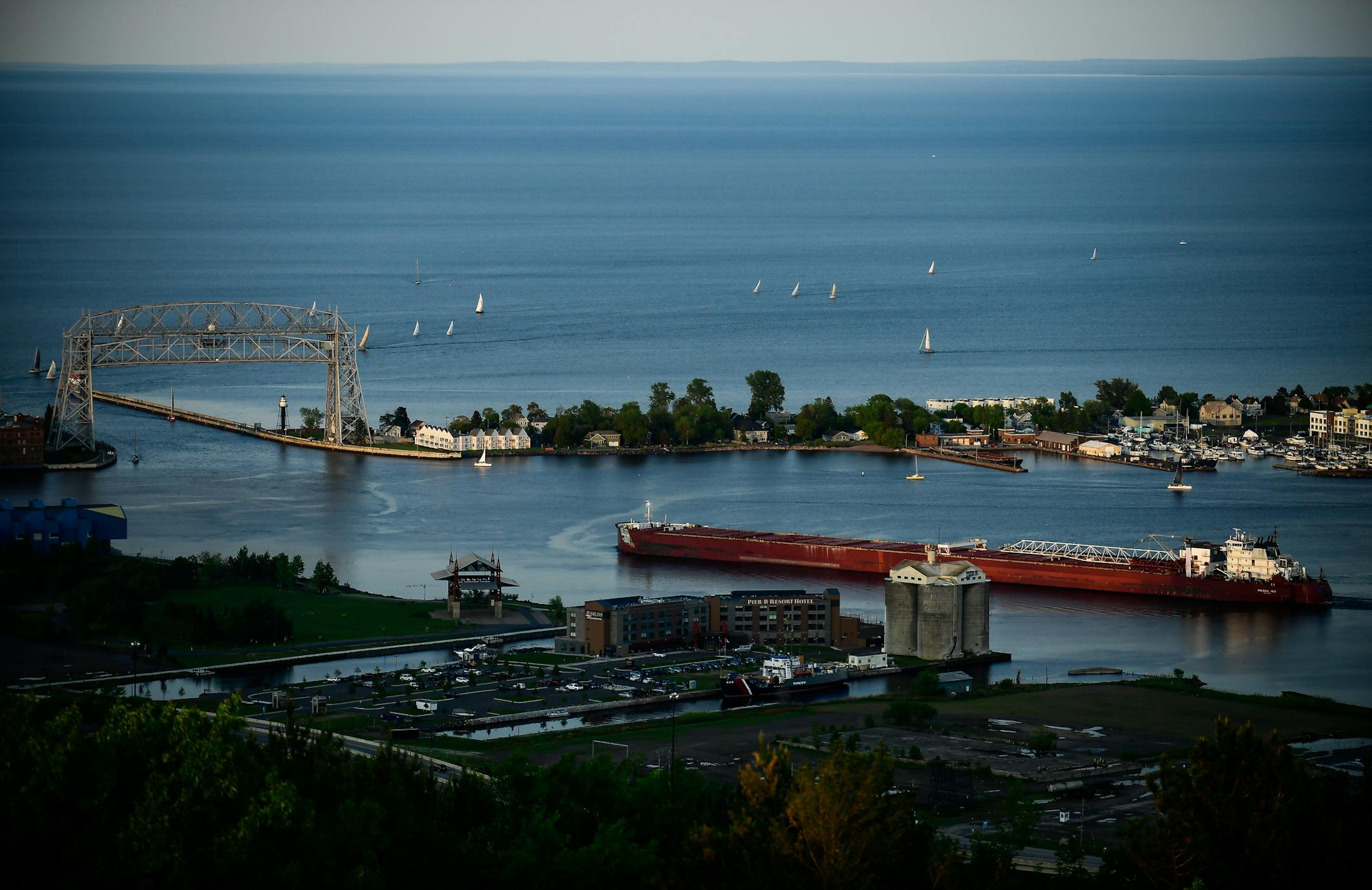
This isn't precisely the view described in Marcie R. Rendon's "Where They Last Saw Her" but it gives an idea of the splendors of Duluth's harbor. (Aaron Lavinsky/The Minnesota Star Tribune)

Where They Last Saw Her, Marcie R. Rendon

MN mentions: Much of “Where They Last Saw Her,” is set in and around Native casinos and in a fictitious town called Little Sweden — which may or may not be the town that is sometimes known by that name, Lindstrom. But the above passage is among Rendon’s best. Don’t read while driving, please, but there are plenty of spots in the southern approach to Duluth where you can pull over and enjoy the view of the bay and the view of a good book.

about the writer

about the writer

Chris Hewitt

Critic / Editor

Interim books editor Chris Hewitt previously worked at the Pioneer Press in St. Paul, where he wrote about movies and theater.

See Moreicon

More from Books

See More
The Abbey Church is a landmark on the St. John's University campus located in Collegeville.
The Minnesota Star Tribune

Local nonfiction: “Greater Minnesota” travelogue details a home-grown returnee’s conversion.

photo of author Tilar Mazzeo
card image