

In corporate offices in Minnesota and around the country this year, one topic has dominated conversations nearly as much, and even more in some cases, as the coronavirus — inflation.
Consumers are experiencing inflation in one way, by paying more for rental cars, groceries or other goods. But the people running businesses are experiencing it as disruptions to workflow, threats to profits and tough decisions about passing rising costs on to customers.
Over the last four weeks, as publicly traded businesses reported their financial results from spring and early summer, executives in Minnesota described the exceptional time it's been.
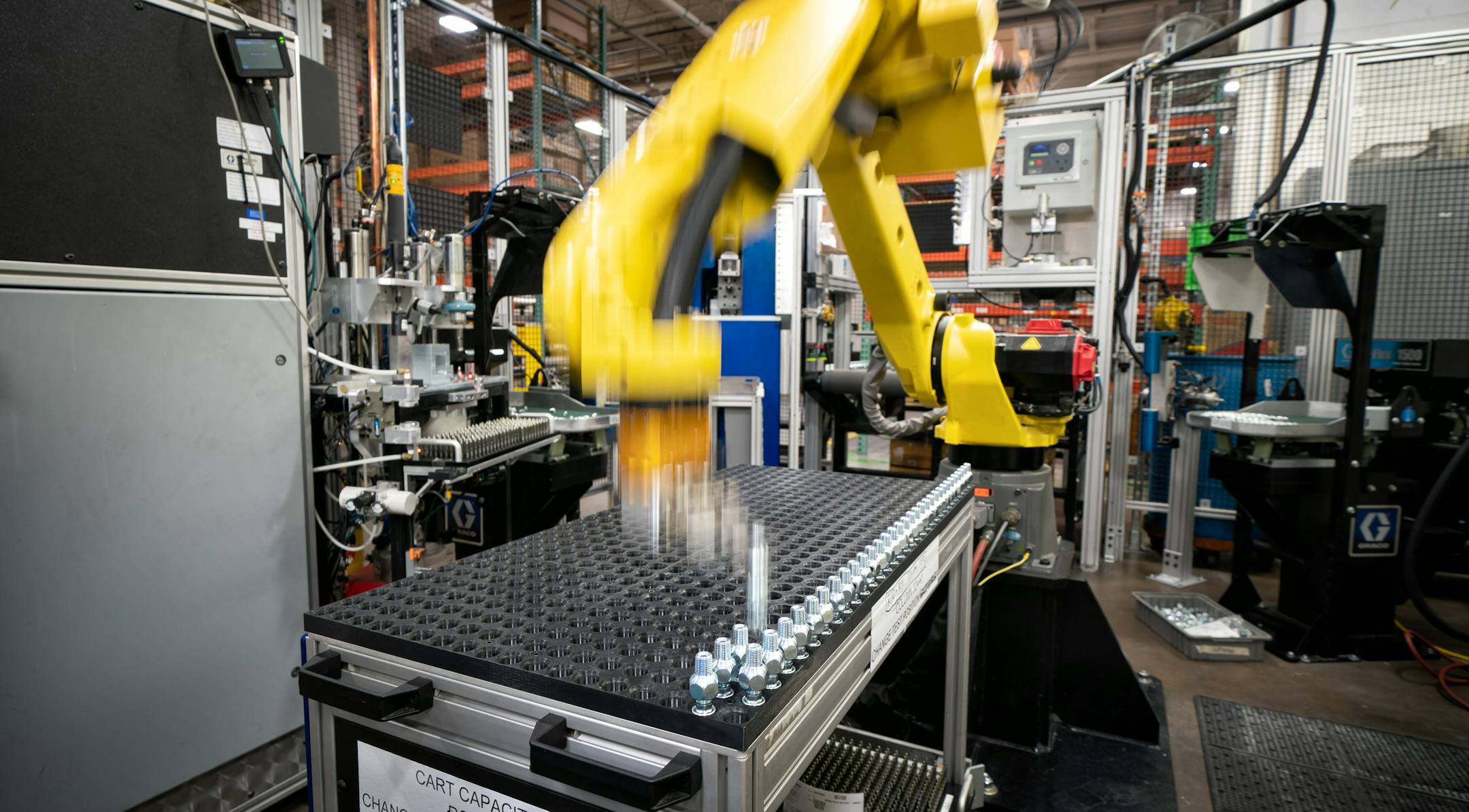
Higher costs are "coming everywhere," Mark Sheahan, chief executive of Minneapolis valve manufacturer Graco Inc., told investors and analysts last month. He then ticked off a list of the core components in Graco products, including steel, aluminum, copper and plastics.
"And some of the components that we buy also, like electronics and motors and engines, and even like subcontract premiums that we pay to folks that help us out when our demand spikes up, those are all much higher," Sheahan added. "Freight costs are higher as well."
The amount of discussion about cost inflation from executives around the country was at "all-time highs" during the recent earnings season, Mike Wilson, Morgan Stanley's chief investment officer, wrote in a note to investors.
Because the last period of high inflation in the U.S. was in the late 1970s and early 1980s, a generation or more of business executives never saw, nor had to act on, such rapid change in costs and prices. The effects today are visible in businesses of all stripes, but particularly at manufacturers.
Executives at Bloomington-based Toro Co. in June described a flurry of contract renegotiations with suppliers that its operations team undertook this spring to slow the effect of rising costs.


