
High mortgage rates halve number of working-class homebuyers in the Twin Cities

A new study from the Federal Reserve Bank of Minneapolis found a more than 60% drop in homebuyers with modest budgets from 2021-24. Meanwhile, sales of more expensive homes rose.

The Minnesota Star Tribune
November 18, 2025 at 12:01PM
“It’s a good time to buy a house in theory,” Zillow’s Svenja Gudell said. “But practically, it’s very hard actually getting there.”
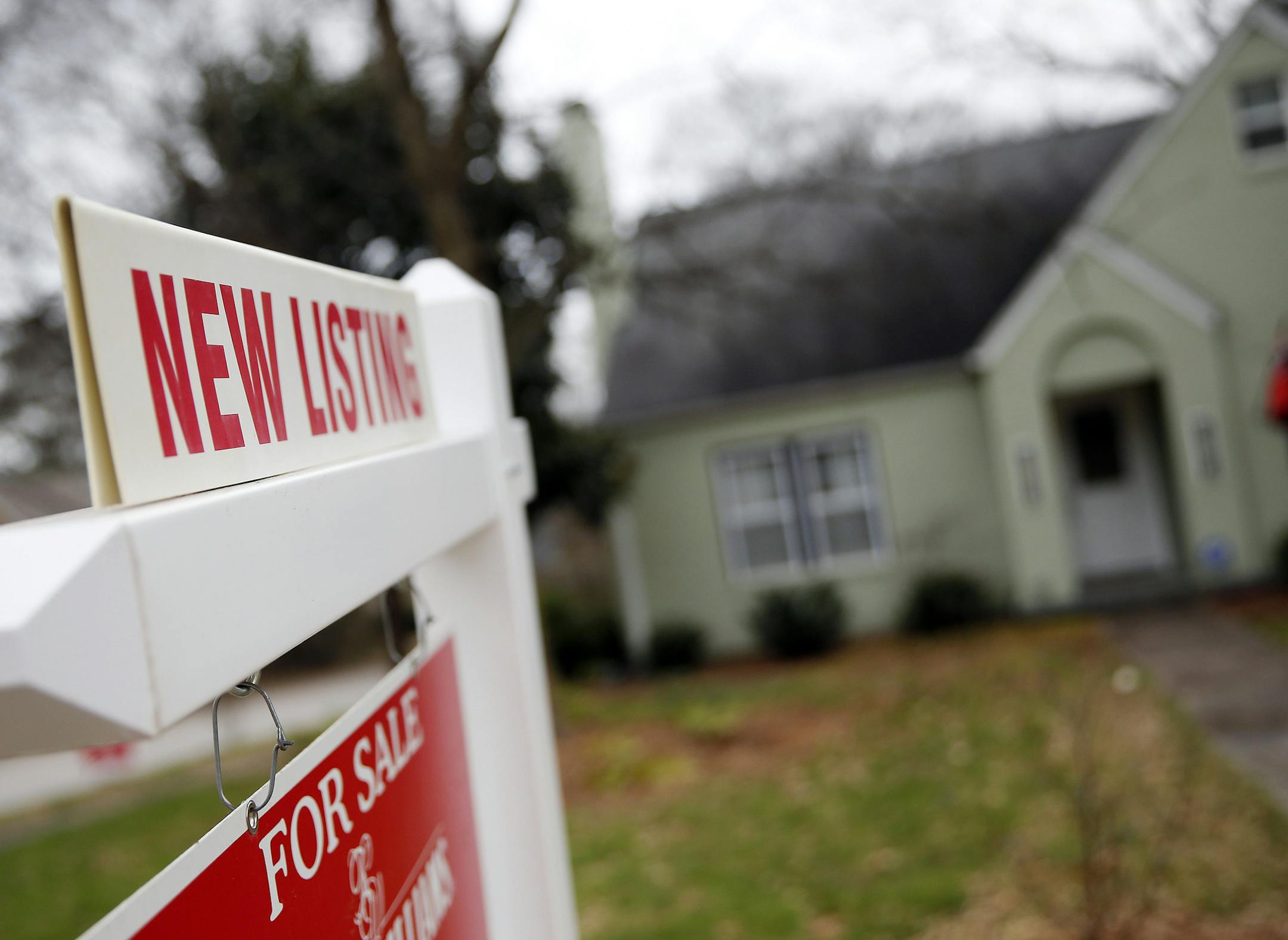
In recent years, higher mortgage rates have driven a steep drop in the number of homebuyers working with modest budgets, per a study from the Federal Reserve Bank of Minneapolis. (John Bazemore/The Associated Press)

Working-class homebuyers have become an endangered species in the Twin Cities.

The number of single-family homes sold to buyers with a modest budget fell by more than 60% from 2021-24 as sales of more expensive houses rose, according to a new study from the community development and engagement division at the Federal Reserve Bank of Minneapolis.

It’s a decline higher mortgage rates primarily drove, the report said. Those rates have doubled since falling to record lows in 2021 but still remain below historic averages.

Working-class buyers — people who earned 80% of the metro area median income (AMI), which is $72,950 for a single person in Hennepin County — are also much more likely than other buyers to compete with investors, who are often able to pay cash. That gives them a competitive advantage on buyers seeking a mortgage.

“This has been a long-term challenge that really accelerated after the pandemic,” said Patti Jo Fitzpatrick, a Twin Cities sales agent and president of Minnesota Realtors.

Buyers have few options

Fitzpatrick said in addition to the challenges of higher rates, builders can’t build enough entry-level homes because of more expensive land, labor and materials.

And, she said, few are willing to sell because so many current homeowners are feeling “locked in” to their historically low pandemic mortgage rates and can’t afford to make their next move.

“Those two forces together have tightened supply across much of Minnesota,” she said.

The Fed analysis, which focused on sales within the seven-county metro, aimed to understand how changes in the housing market have impacted low- and moderate-income households in the largest population center of the Ninth Federal Reserve District. And while it didn’t focus exclusively on those buying their first house, that demographic emerged as a highly affected one.

In 2022, according to the Fed, households earning 80% of the AMI could afford most homes costing $310,000 or less. By 2024, households at this income level could afford most homes priced at $280,000 or less. The Fed defined “affordable” as total housing costs equal to 28% or less of those income levels.

Erik Hembre, senior economist for the Minneapolis Fed, said the annual affordability threshold depends on the community. The calculation incorporates property taxes, which vary according to city and county rate schedules, and takes into consideration mortgage rate fluctuations on a monthly basis.

Affordable sales plummeted

Annually, the Fed’s analysis showed, sales of these “affordable” homes oscillated between about 19,400 and 23,500 from 2012 to 2021. Then, they quickly dropped, falling to 13,800 in 2022, 8,800 the following year and 9,300 last year.

Overall, home sales also dropped during that period, but the decline in sales of affordable homes was more than four times the 14% decline in sales of homes priced above the Fed’s affordability threshold.

House prices rose to record highs this year, with the median price of all sales breaking $400,000 for the first time. That caused the availability of inexpensive houses to dwindle dramatically and stifled sales of the least-expensive houses.

During September, pending sales of homes priced between $190,000 and $350,000 were down, according to the St. Paul Area Association of Realtors. At the same time, sales of more expensive homes increased, with houses priced at more than $500,000 rising double-digits.

“We’ve heard that it’s getting harder for shoppers in the lower end of the market,” said Benjamin Horowitz, a Minneapolis Fed project director. “Part of our mission is to understand what’s happening in the economy. This talks about changes in the homeownership space.”

Higher mortgage rates to blame

Monthly sales reports from the local Realtors associations include only homes listed and sold through the Regional Multiple Listing Service. In contrast, the Fed’s analysis focused on property transaction and assessor information national real estate data firm CoreLogic compiled.

Using that sales data, along with other public records, the Fed’s research was able to pinpoint the primary reason for the decline in affordable sales: higher mortgage rates.

At the beginning of 2021, the average fixed-rate mortgage fell to a record low of 2.65%, fueling a steep increase in home sales — and prices — in the metro. Within a year, rates began to rise, and by fall 2023, rates peaked at 7.79%. That upped the monthly cost of homeownership by hundreds of dollars a month.

This fall, rates have fallen slightly and have been hovering in the low 6% range, which is slightly below a three-decade average. On Thursday, Freddie Mac said the average 30-year, fixed-rate mortgage stood at 6.24%, which is flat compared with the previous week but still near the lowest in a year.

Investors are stiff competition

Entry-level buyers in the Twin Cities are also competing with a rising share of investors, who often pay cash to gain an advantage on those who need a mortgage. In the Twin Cities from 2021-24, the investor share of all purchases increased from 4.2% to 4.7%, according to the Fed.

Competition with cash buyers is also an issue, especially for entry-level buyers. In general, sellers prefer a cash buyer because the deal is more likely to close.

The Fed report showed since 2021, while cash buyers have acquired fewer homes in the Twin Cities metro area, their share of “affordable” home purchases has increased. In 2023 and 2024, those cash buyers, who are not always investors, bought 20% of the more expensive houses on the market but 38% of those considered “affordable.”

On average, the Fed noted, sellers accepted a price that was 11% lower from cash buyers.

“Research has shown that sellers will take a slight discount for buyers who can use all cash,” Hembre said. “That seller is going to be more likely to go with the cash buyer. … [It] adds an extra layer of struggle to those trying to purchase in this market.”

about the writer

about the writer

Jim Buchta

Reporter

Jim Buchta has covered real estate for the Star Tribune for several years. He also has covered energy, small business, consumer affairs and travel.

See Moreicon

More from Real Estate

See More
card image

Can Cloud Dancer white replace the more than 50 shades of gray that for years seemed to be the go-to for buyers and sellers?

card image