A rural holdout is now one of the Twin Cities’ fastest-growing suburbs

Northwest metro suburbs mushroomed around rural Dayton, which is now reckoning with explosive growth of its own and pressure from its neighbors to address it.

The Minnesota Star Tribune
October 4, 2025 at 11:00AM
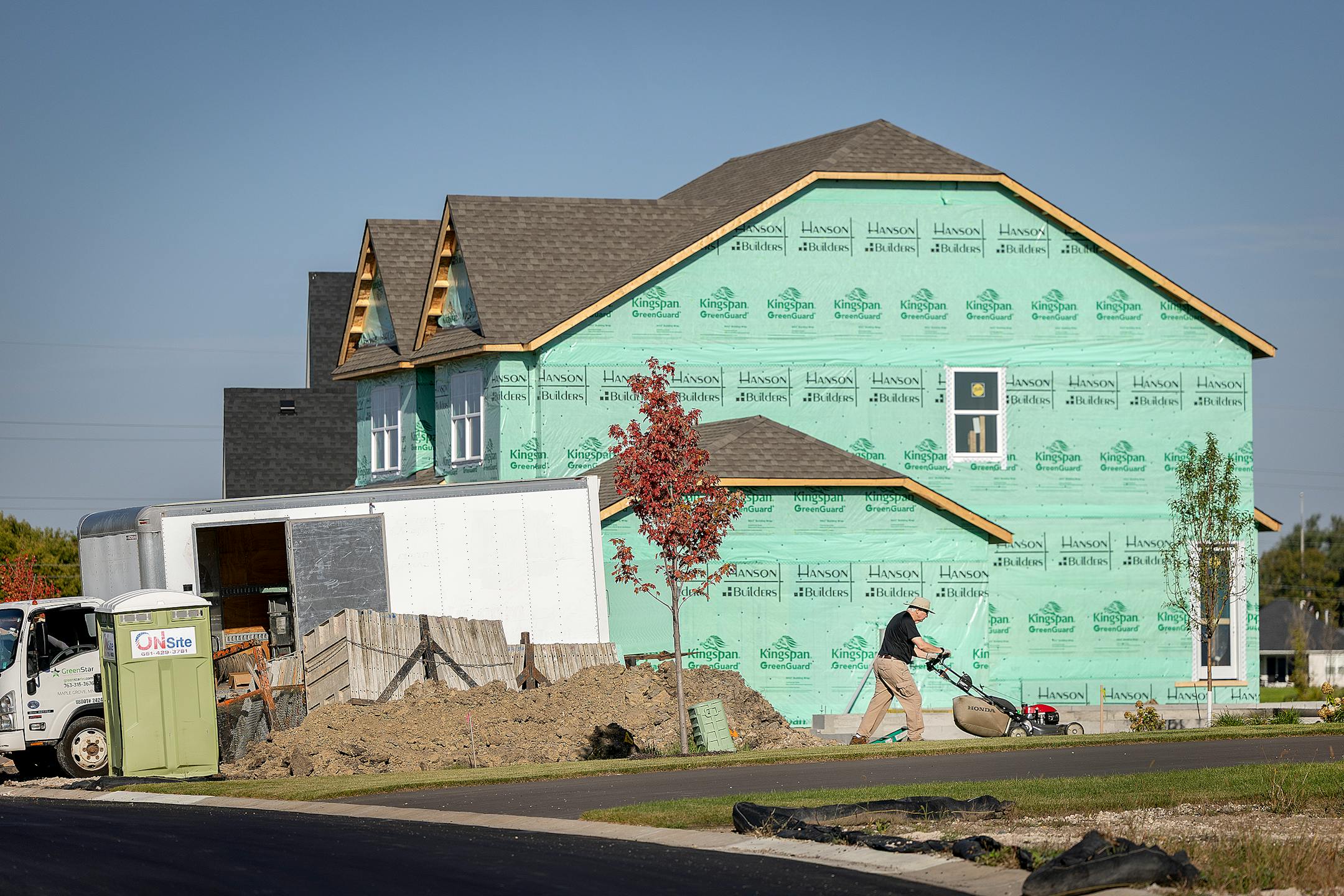
Construction of a new home is underway in a subdivision in Dayton on Monday. (Elizabeth Flores/The Minnesota Star Tribune)

As Dayton’s neighboring communities in the northwest suburbs grew and developed around it, the sleepy city remained a place of farm fields and rural lots.

But those days are gone. Now Dayton is drastically transforming — and fast. It’s become one of the quickest growing cities in the Twin Cities, adding industrial warehouses and hundreds of new homes.

The burst of activity over the past five years, and the traffic that’s come with it, vexes some longtime homeowners and Dayton’s neighboring cities. The city is caught between wanting to preserve its rural character while also meeting the increasing demands of the expanding community.

“We’re still trying to find our identity,” City Administrator Zach Doud said, as the long-rural town has doubled to 11,000 residents. “We don’t know who we want to be when we grow up.”

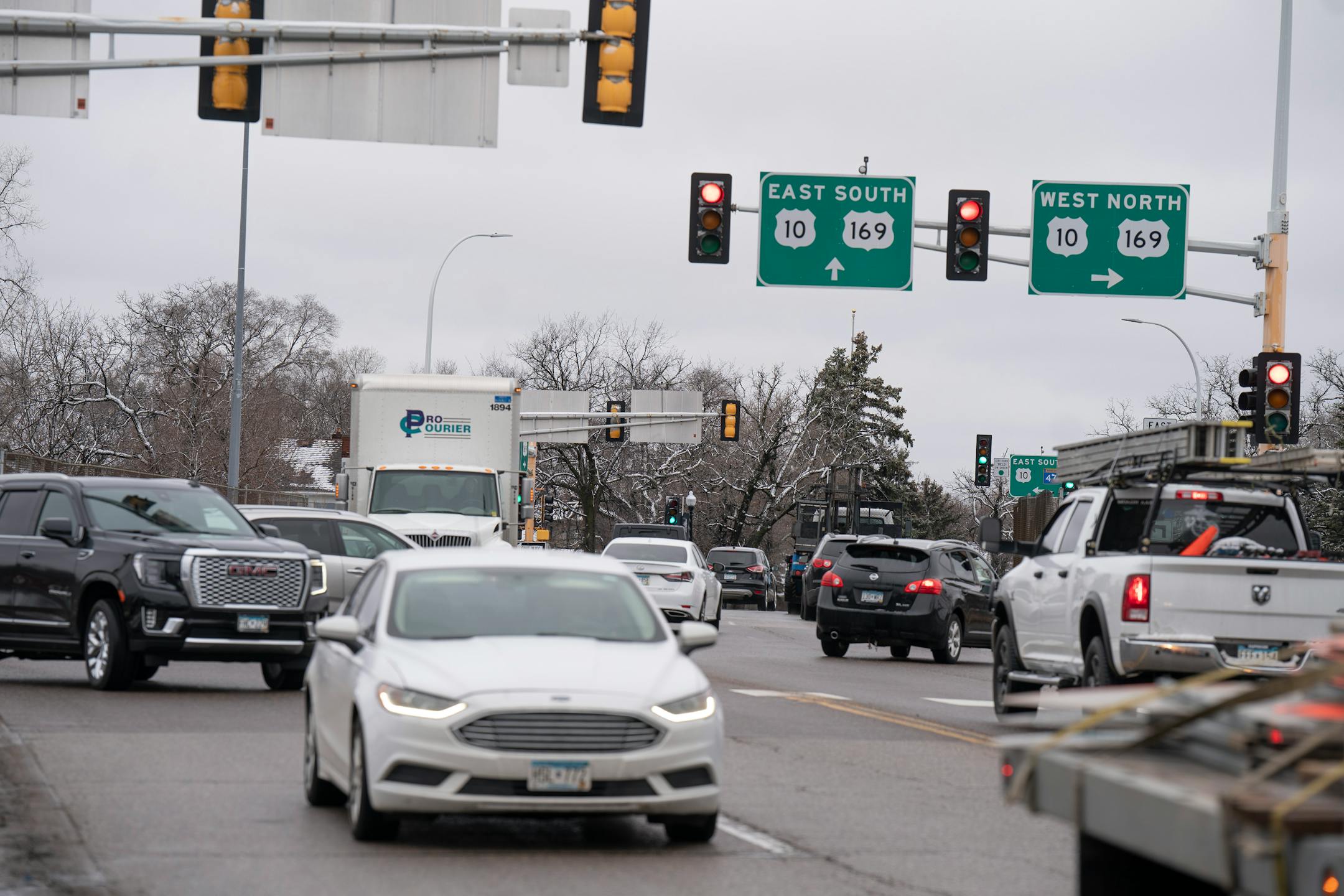
More mature surrounding suburbs are pushing Dayton to help spearhead major roadway changes to smooth travel in this burgeoning area northwest of Minneapolis. Traffic congestion around Dayton has become untenable, according to leaders of neighboring cities, who are renewing calls for a new bridge over the Mississippi River to relieve pressure on Interstate 94 and Hwys. 101, 169 and 610.

“Dayton is the fastest developing suburb in the Twin Cities,” Champlin Mayor Ryan Sabas said. “They have a responsibility to the region to properly set up regional transportation.”

The idea of a river crossing in Dayton has been unpopular with past city leaders and many residents. Doud said city officials now understand a bridge may be inevitable, but Dayton also would need to build a major road cutting south to north through the city, between I-94 and Hwy. 10 — an expensive, long-term endeavor he said the city can’t afford on its own.

“We know it’s going to happen,” Doud said. “But our neighbors are not seeing a lot of push from Dayton, and that’s where the frustration is coming from other communities.”
Doud said officials know the city will continue to grow, but the next few years will be crucial in determining what that will look like.

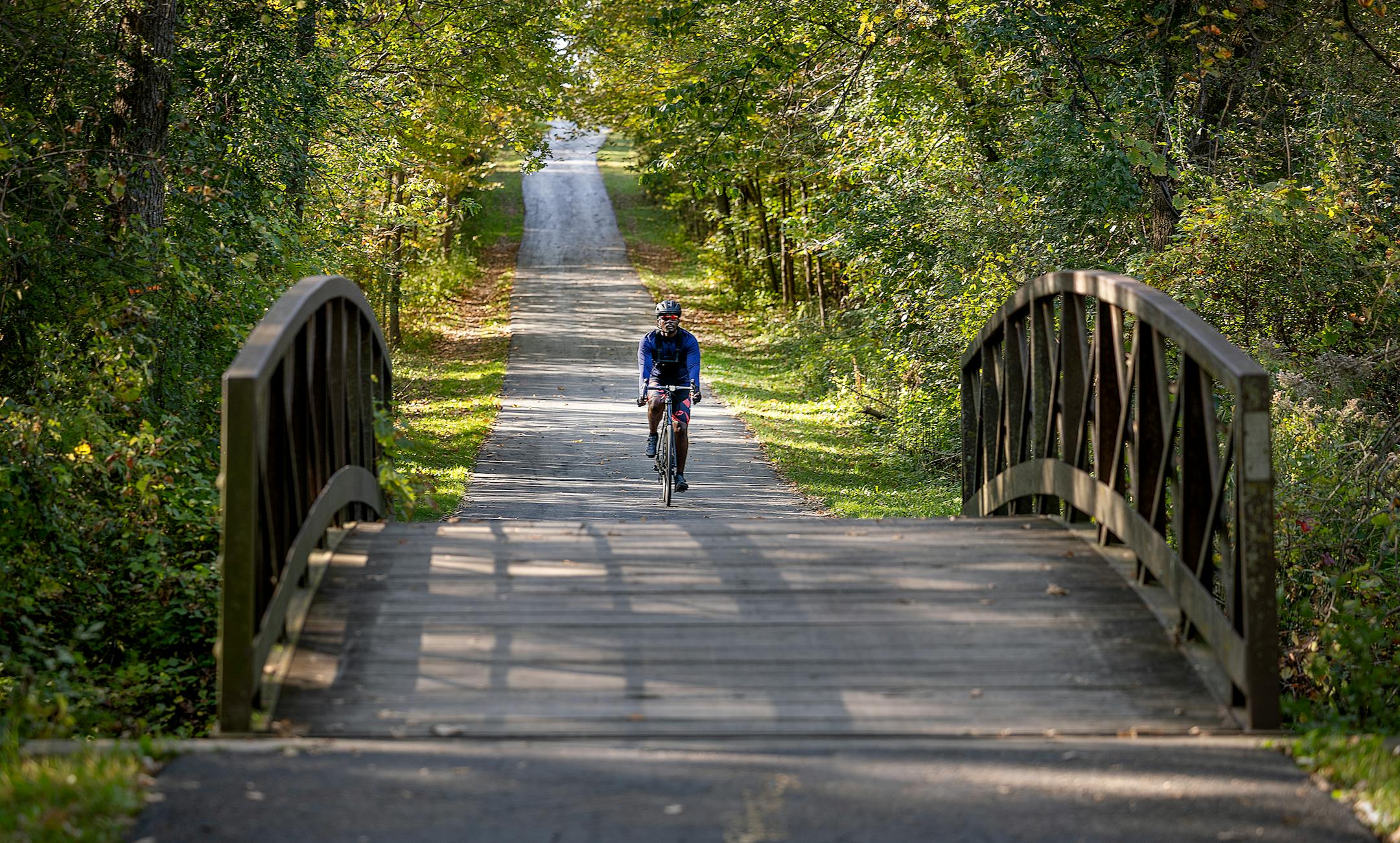
A bicyclist makes his way in the Elm Creek Park Reserve near Dayton on Monday. (Elizabeth Flores/The Minnesota Star Tribune)

Fastest growing city

When Nathan Brown moved to Dayton eight years ago, there wasn’t much development going on.

“It’s definitely different now,” Brown said of the southern edge of town. “It changed from a wide-open, horse-farm-type feel to a suburb to a subdivision feel.”

Dayton years ago was planning to develop along with surrounding cities, and the suburb made major investments in utilities before the housing market crashed in 2008.

When the construction didn’t happen, Council Member Scott Salonek said the city relaxed some building requirements and opened the door to new growth, which took off as interest rates plummeted during the pandemic.

The city approved permits for more than 1,800 single-family houses and townhomes between 2019 and 2024, according to data from the Metropolitan Council. New homes typically are ranging from $500,000 to $1 million.

Dayton, along with northwest suburbs Corcoran and Rogers, all saw the highest number of new homes built last year, according to the Hennepin County assessor’s annual report.

Meanwhile, Dayton has been a major player in the northwest suburbs becoming a hub for industrial development, bolstered by the new Dayton Parkway interchange at I-94 that opened in 2021.

Graco has selected Dayton as the home of its new corporate headquarters, next to its existing campus there. Several other industrial companies have chosen Dayton in recent years, including States Manufacturing and Daedex.

City officials applaud the development and added jobs, but also acknowledge residents’ worries about losing open fields.

More farmers have been ready to sell their land in recent years, city officials said, as younger generations choose different paths, land values go up and heavy traffic changes the community.

“If you’re farming 80 acres and getting honked at all day long by people mad at you for having a tractor on the road, builders are offering pretty big numbers to ignore,” Council Member David Fashant said.

Neighboring cities want traffic solutions

While more developed suburbs have built out their road networks to handle the northwest’s explosive growth, Dayton’s roads are still in their infancy, Doud said.

The roads are facing a new level of strain. And congestion has been worsening as suburbs stretch toward Elk River.

Sabas, the Champlin mayor, said Hwy. 169 and nearby streets are a “parking lot during rush hour,” with traffic sometimes “backed up to 101 or south of 610.”

That’s led Sabas and other neighboring city officials to reignite the push for a new bridge crossing the Mississippi River in Ramsey and Dayton, an idea that’s been floated for decades.

Sabas argued communities must work together now on the long-term project, which would need several environmental clearances, as well as local, state and federal approvals. The Minnesota Department of Transportation has estimated the bridge and a new north-south road through Dayton could cost $250 million.

“If Dayton develops any further with more neighborhoods in the north, that will greatly limit how a road may be laid out in the future,” Sabas said.

Brian Hagen, Ramsey’s city administrator, agreed: “We’re really viewing it as this is kind of our last chance before Dayton develops in such a way that is cutting off future major roadway routes.”

Dayton officials, though, worry that if a bridge is built, traffic would be offloaded onto streets that don’t have the capacity.

Dayton Mayor Dennis Fisher said the city is planning for a potential north-south road through the city, but said it cannot afford to start acquiring the land and hopes developers will build it over time as the city grows.

Hennepin County Commissioner Kevin Anderson, who represents the area, said he understands the need for the major roadwork but also Dayton’s hesitation about having more traffic cutting through a quieter community.

Until Dayton is ready to embrace such changes, he said, “we’re going to focus our attention on making sure the roads we have are safe and meeting the needs of our community.”

Morning traffic jams up at the intersection of Hwys. 169 and 10 in Anoka in 2022. (Jerry Holt/The Minnesota Star Tribune)

For now, Dayton city leaders are trying to balance a desire to stay rural with demand for more city services.

“Every resident you talk to, probably 95 out of 100 will tell you they would prefer it if development just stopped dead,” Fisher said. “However, you can’t do that.”

Officials say they are trying to better manage it by asking more of developers and fighting to maintain larger lots.

“How do we stay unique and rural while we still have this pressure for growth?” Fashant said. “That’s the challenge as a city, trying to figure out what of Dayton we can preserve to have it be something special.”

about the writer

about the writer

Sarah Ritter

Reporter

Sarah Ritter covers the north metro for the Minnesota Star Tribune.

See Moreicon