Dabney: Minnesota’s open-container rules for cannabis need work

The government hasn’t clearly communicated the law, making it feel like a “gotcha” for Minnesotans trying to follow the rules.

Columnist Icon
The Minnesota Star Tribune
December 17, 2025 at 10:59AM
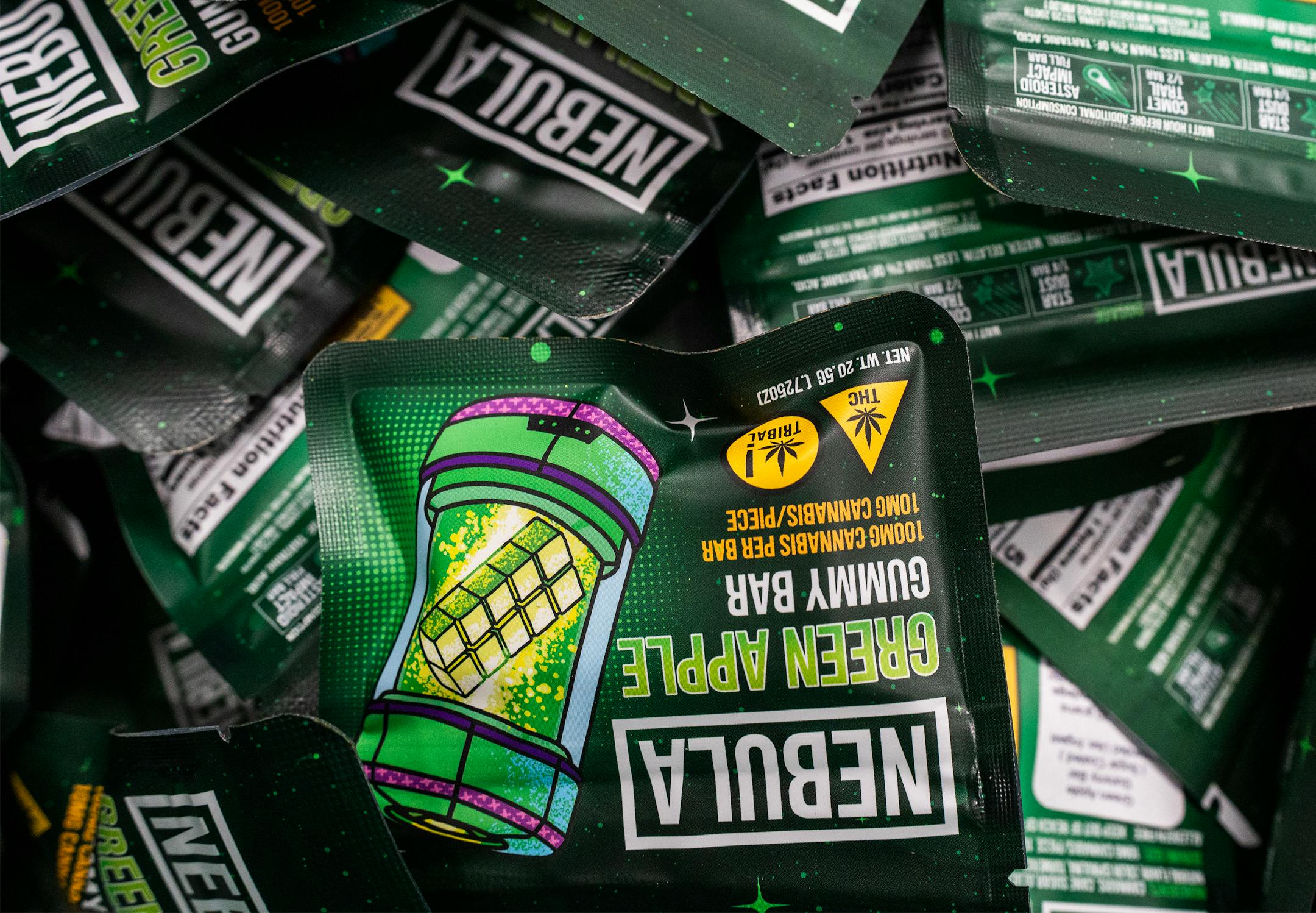
"The rule lives in a corner of the traffic code — not the new cannabis chapter — and it reads like a legal booby trap," Clemon Dabney writes. "Under Minnesota Statutes §169A.36, it’s a misdemeanor to possess cannabis in a motor vehicle if it’s been opened, removed from its original packaging, or is in any container that doesn’t meet the technical packaging requirements — unless it’s stored in the trunk or, in an SUV, the rear cargo area." (Richard Tsong-Taatarii/The Minnesota Star Tribune)

Opinion editor’s note: Strib Voices publishes a mix of material from 8 contributing columnists, along with other commentary online and in print each day. To contribute, click here.

•••

Minnesota promised something big when we legalized adult-use cannabis: an end to the petty, life-warping charges that followed people for years over a plant the state finally admitted shouldn’t ruin anyone’s future. But for thousands of Minnesotans, the war on weed has simply moved from the sidewalk to the driver’s seat.

Since legalization took effect in August 2023, prosecutors have brought more than 3,500 charges for cannabis possession in vehicles and secured more than 1,200 misdemeanor convictions under Minnesota’s “cannabis open package” law, according to a recent analysis by the Minnesota Reformer. Most of these cases aren’t about someone swerving down the freeway, obviously impaired. They’re about where an opened package sits in the car and whether the label and seal look exactly how the statute demands.

The rule lives in a corner of the traffic code — not the new cannabis chapter — and it reads like a legal booby trap. Under Minnesota Statutes §169A.36, it’s a misdemeanor to possess cannabis in a motor vehicle if it’s been opened, removed from its original packaging, or is in any container that doesn’t meet the technical packaging requirements — unless it’s stored in the trunk or, in an SUV, the rear cargo area. The maximum penalty is 90 days in jail and a $1,000 fine though, according to the Reformer, many people end up paying a few hundred dollars. But these are fines and criminal records we were told legalization would prevent.

Here’s the catch: Most people have never been clearly told about this rule. The Minnesota Office of Cannabis Management’s own “need to know” page for adult use doesn’t spell it out. The details aren’t in the main recreational cannabis statute outlining possession limits and restrictions either. You have to dig into a dense traffic-law section to learn that the joint you tossed in the center console after a legal trip to a dispensary could be the basis for a criminal charge. Legal cannabis in your pocket becomes illegal cannabis when you sit down in the driver’s seat. It’s like being told your prescription is legal — until you put it in the wrong pocket.

As someone who works with cannabis policy and science, I hear constant questions from Minnesotans trying to follow the rules. They know they can legally possess two pounds of cannabis flower at home. They’ve heard about expungements and resentencing. But very few know that an opened bag of legal flower or a vape pen must be treated like an open bottle of liquor — out of reach, in the trunk — or it becomes a criminal offense. That is a failure of government communication, not individual morality.

In my day-to-day life, this isn’t abstract. I teach people who want to legally cultivate cannabis. I talk with farmers who are trying to transition from the legacy market to the legal one. I get messages from patients, parents and elders who are genuinely trying to “do it right” under the new law. When I explain the cannabis-in-cars rule, the reaction is usually the same: confusion, then disbelief, then anger. People aren’t asking how to get around the law — they’re asking how not to accidentally break it.

Defense attorneys are already sounding the alarm that this law is becoming a new doorway for vehicle searches and racial profiling, the same way “odor of marijuana” was used for years to justify fishing expeditions during traffic stops. We’ve replaced the old “smell test” with a new “seal test.”

When thousands of people are being charged under a rule almost no one has heard of, it’s not hard to predict who will disproportionately bear the consequences: Black, brown and poor Minnesotans who are already stopped more often and given less benefit of the doubt. We said we were done using cannabis as a pretext to pull some people deeper into the criminal legal system. Our current enforcement pattern says otherwise.

I’ve sat in community meetings where people celebrated expungement of old cannabis records — and in those same rooms I now hear stories about new tickets, new court dates, new fines over technical packaging violations. As an educator and a business owner in this space, I try to tell people that Minnesota is serious about equity and second chances. It gets harder to say that with a straight face when the state quietly keeps writing thousands of new citations for how and where a legal product is stored in a car.

None of this means we should tolerate impaired driving. Driving high is dangerous, and Minnesota already has laws against operating a motor vehicle under the influence of cannabis or any other intoxicant. But safety is not the same thing as criminalizing a labeled, state-legal product that happens to be in the “wrong” part of the cabin. If officers have evidence of impairment — erratic driving, failed field sobriety tests — they already have clear tools to act. We don’t need to quietly recreate a low-level possession pipeline under the banner of traffic safety.

If lawmakers meant what they said about ending the harms of prohibition, there are a few concrete steps they should take when they return to the State Capitol next year. First, make the rules unmistakably clear. The cannabis-in-cars law should be on every state website that talks about adult use, in dispensaries’ consumer handouts, and in the driver’s license manual and exam. Second, downgrade minor packaging violations to a noncriminal traffic offense or administrative citation, closer to a seat-belt ticket than a misdemeanor crime. Third, require detailed public reporting — by race, age and location — of every cannabis motor-vehicle charge so we can see who is actually being targeted and adjust policy accordingly.

Finally, the Legislature should revisit the statute itself. There’s a reasonable middle ground between “anything goes” and “a half-used vape pen in your cupholder makes you a criminal.” We could allow resealed containers in the passenger area or treat small, non-impairment-related violations as warnings on first offense with escalating civil penalties.

This isn’t about dangerous driving; it’s about whether your container passes a packaging pop quiz. We can promote truly safer roads without quietly resurrecting the very kind of low-level criminalization legalization was supposed to bury.

I supported legalization because I believed — and still believe — that Minnesotans deserve a system grounded in science, honesty and harm reduction, not “gotcha” rules and hidden traps. Right now, the way we’re handling cannabis in cars is out of step with that promise. If we want people to respect the law, we have to write laws that respect people.

Legalization should mean more than a new line of products on store shelves. It should mean we stop using technicalities to trip people back into the system we promised to reform.

about the writer

about the writer

Clemon Dabney

Contributing Columnist

Clemon Dabney is a contributing columnist for the Minnesota Star Tribune focusing on all things cannabis. He is a cannabis expert, scientist and entrepreneur.

See Moreicon

More from Contributing Columnists

See More
card image
Richard Tsong-Taatarii/The Minnesota Star Tribune

The government hasn’t clearly communicated the law, making it feel like a “gotcha” for Minnesotans trying to follow the rules.

card image
card image