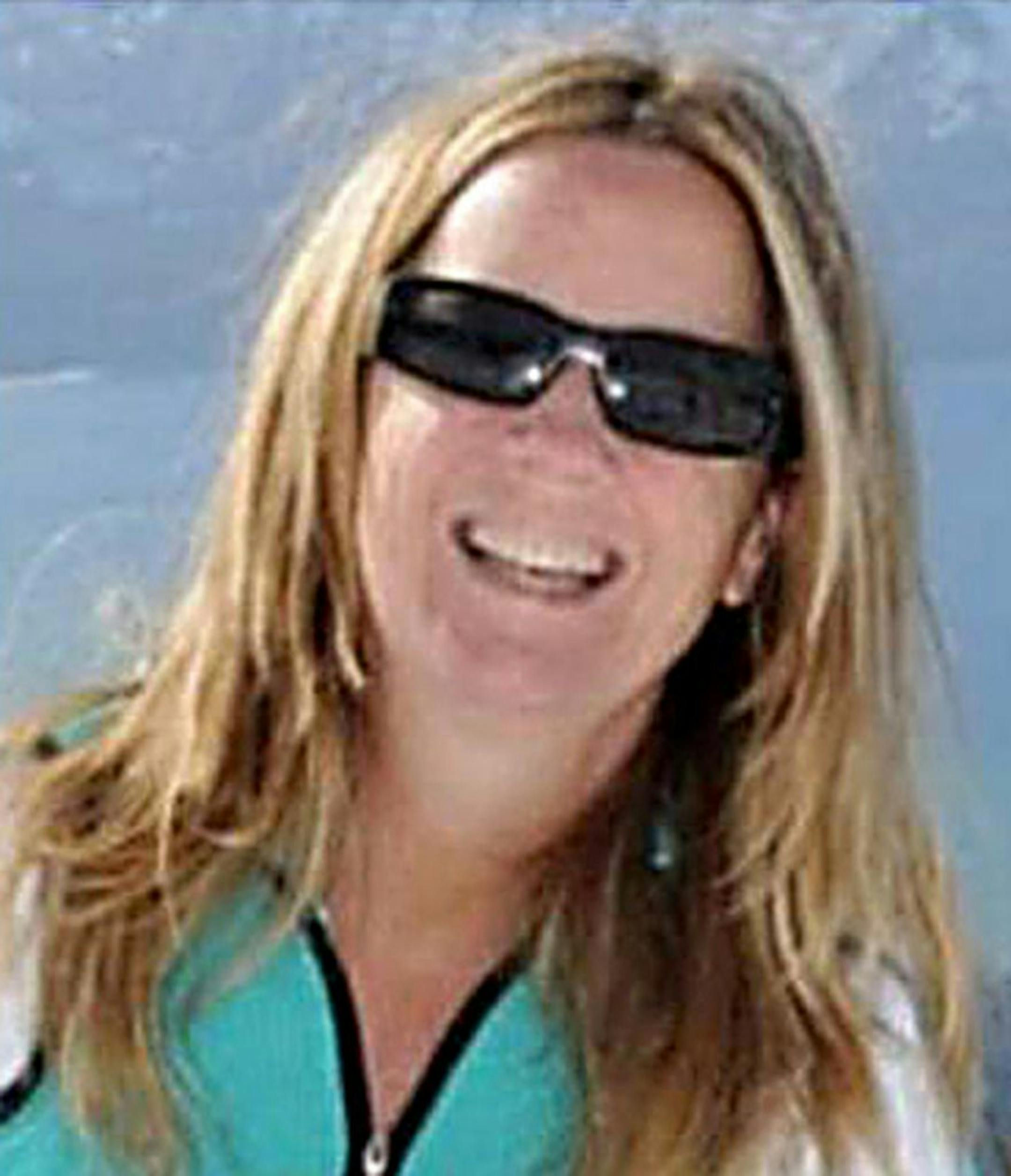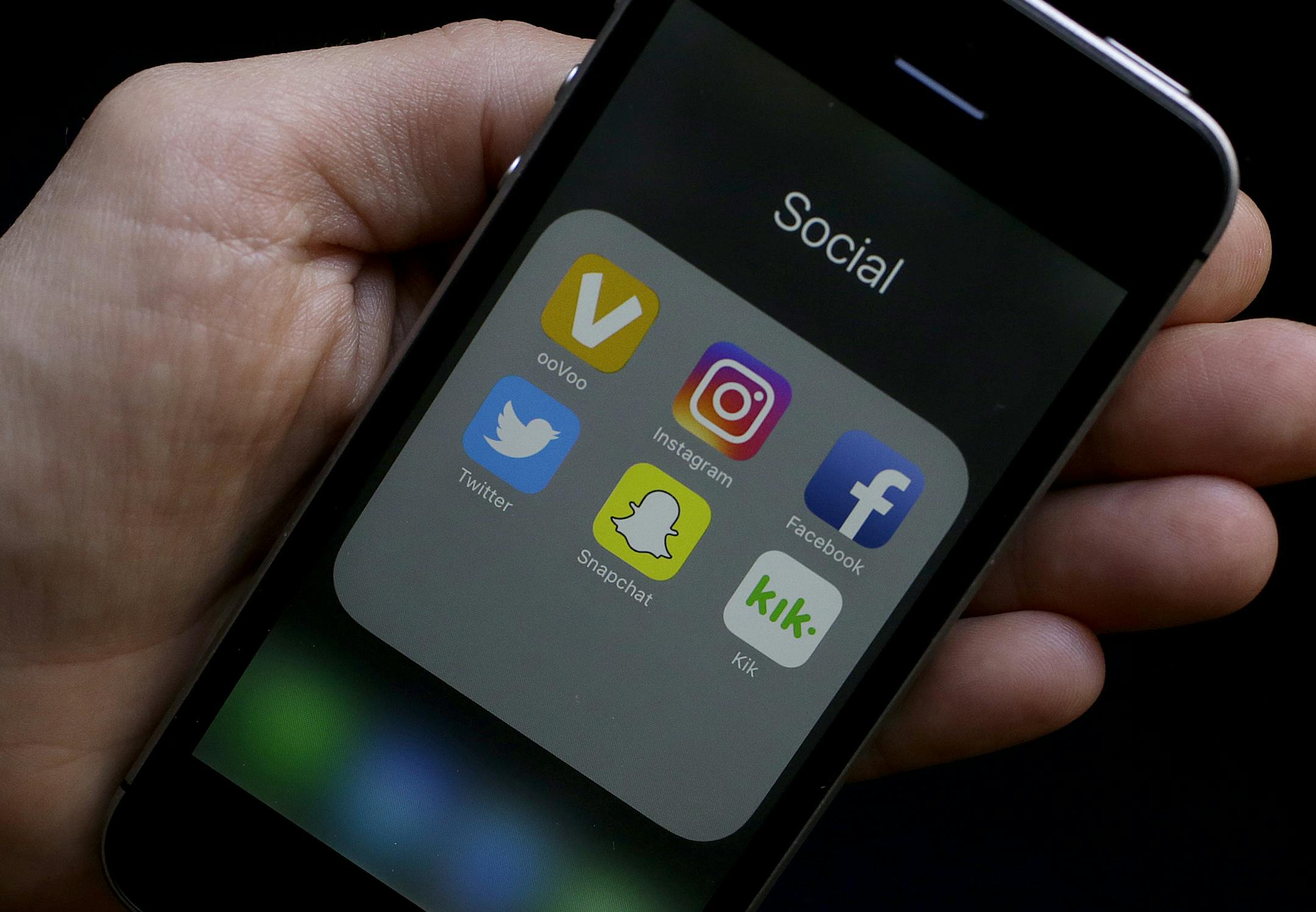
Christine Blasey Ford knew her life would be turned upside down when she decided to identify herself as the woman accusing Supreme Court nominee Brett Kavanaugh of sexual assault when they were teenagers, so, her friends said, she deleted all of her social media accounts.
Despite those efforts, the Palo Alto University psychology professor's fears have come true since she came forward: Her lawyers say she's facing harassment and death threats.
Supporters and opponents have found pictures of her on the web and converted them into memes. And her Palo Alto home address was tweeted, forcing her to move out.
In the age of the internet, what's to keep the same thing from happening to any victim of sexual harassment or assault who decides to come forward? Can they — or anyone — completely erase their online presences to protect themselves?
'Constantly repopulating'
"The extremely short and brutal answer is no," said Gennie Gebhart, of the Electronic Frontier Foundation. She does research and advocacy for issues that include consumer privacy, surveillance and security.
"The all-or-nothing approach is not generally useful," she added.
Sure, there are paid services that can "delete" you from the internet and that might work for a little while. But even if people were to spend time and money trying to erase their online presence, it could all be undone in an instant because the data brokers of the world are "constantly repopulating," Gebhart said.
Instead, Gebhart said the best that most people can do is try to get a handle on what's online, minimize the personal information that's out there and do their best to take control of it.