Champlin hasn’t always embraced its position as a river town.
Dilapidated, small apartment buildings lined the northwest suburb’s Mississippi riverfront, which hadn’t welcomed any significant development since the 1980s. Mayor Ryan Sabas said the river mostly felt like an obstacle as drivers fought congestion to get across the bridge.
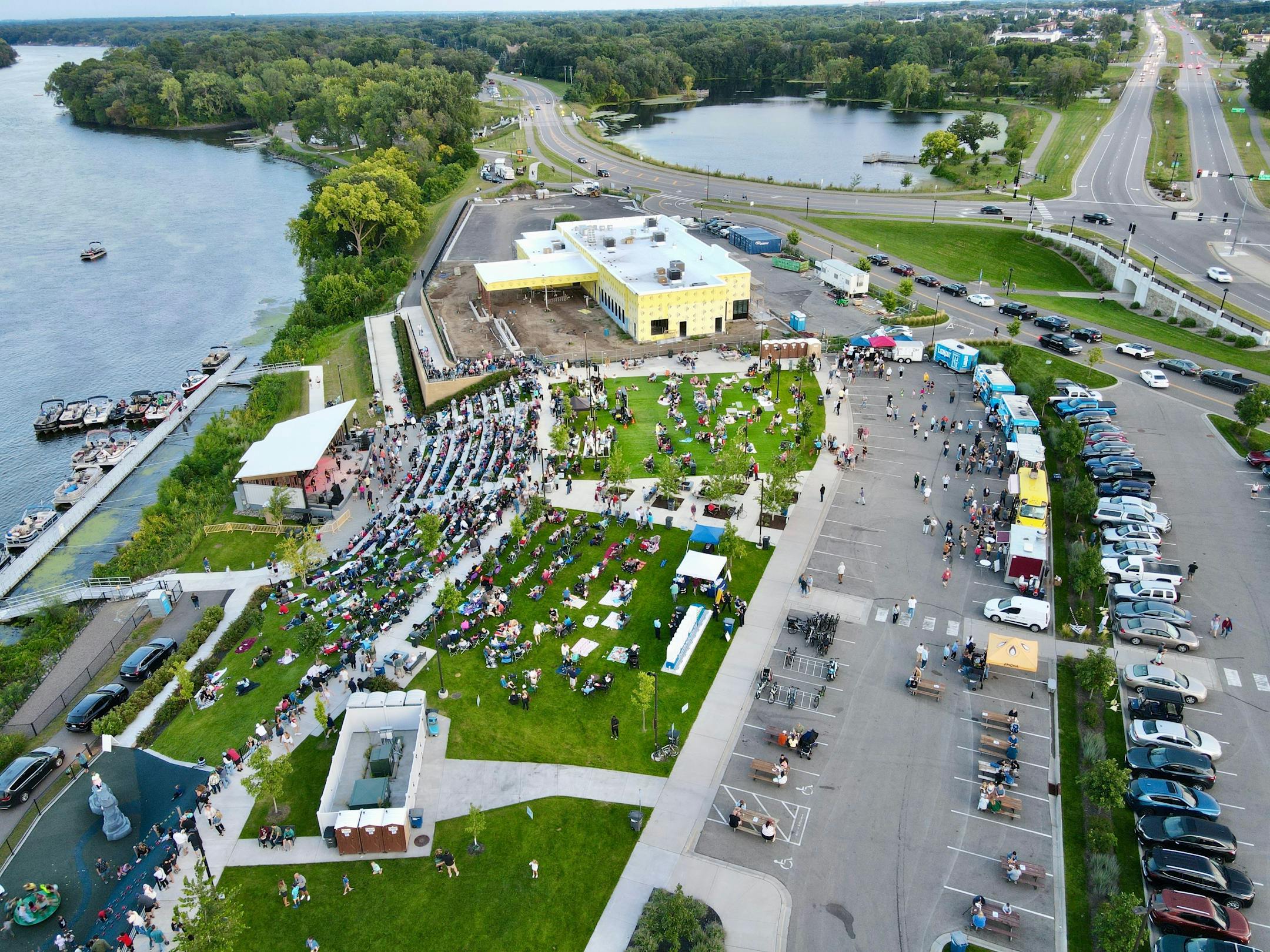
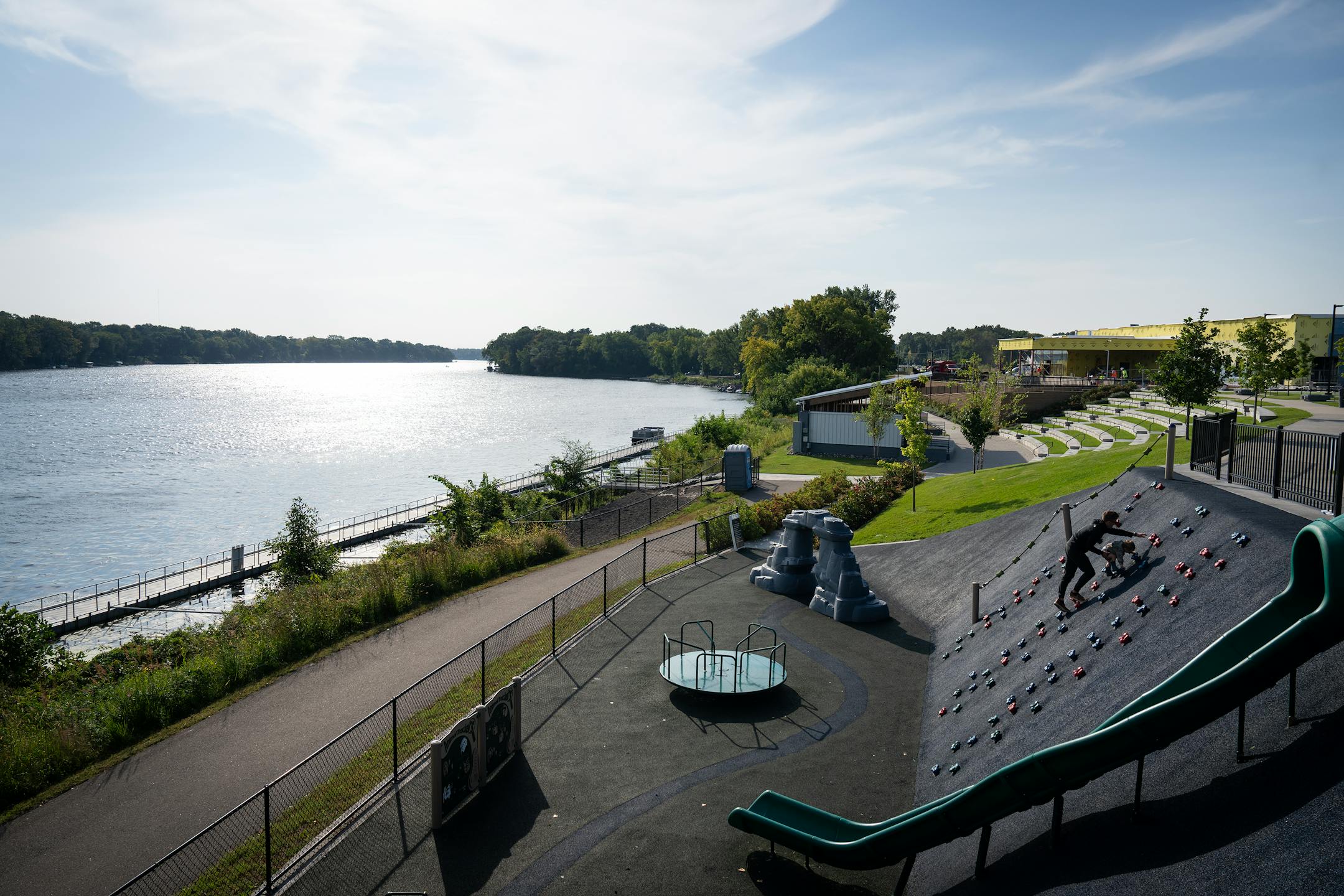
But now, Champlin has awakened its riverfront. Masses come out for shows at a new outdoor amphitheater. An event center hosts weddings and conferences overlooking the water. Hundreds of residents have moved into upscale apartments. Boaters dock, then grab some ice cream or catch a concert.
“Champlin finally has something that draws people from outside the city. We really haven’t had that,” Sabas said. “The river was viewed as an obstacle. Today, people look at it as an amenity.”
The major undertaking comes as dozens of other cities across the country and in the metro have focused on turning their once forgotten — or heavily polluted — riverfronts into attractions and economic generators. The initiatives range from Minneapolis’ new concert venue on the Mississippi to Anoka’s plan to add surfing on the Rum, laced together with spruced-up parks and new trails that draw people to the waterways.
In Champlin, Mississippi Crossings, the redevelopment project that spanned 26 years and five mayors, is nearly complete. The final piece, a restaurant with a sprawling patio, is slated to open before the end of the year.
Next, the city is studying how it might redevelop the nearby area west of Hwy. 169, which includes its longest-lasting business, the Sinclair station, as well as other older commercial buildings and homes. Officials are asking property owners to consider how to best attract new development without wiping out the history.
“I wish they would preserve the Sinclair station. I love to see the dinosaur dressed up,” resident Bethany Grabow said. “But I do think that side [of Champlin] is a little underutilized.”