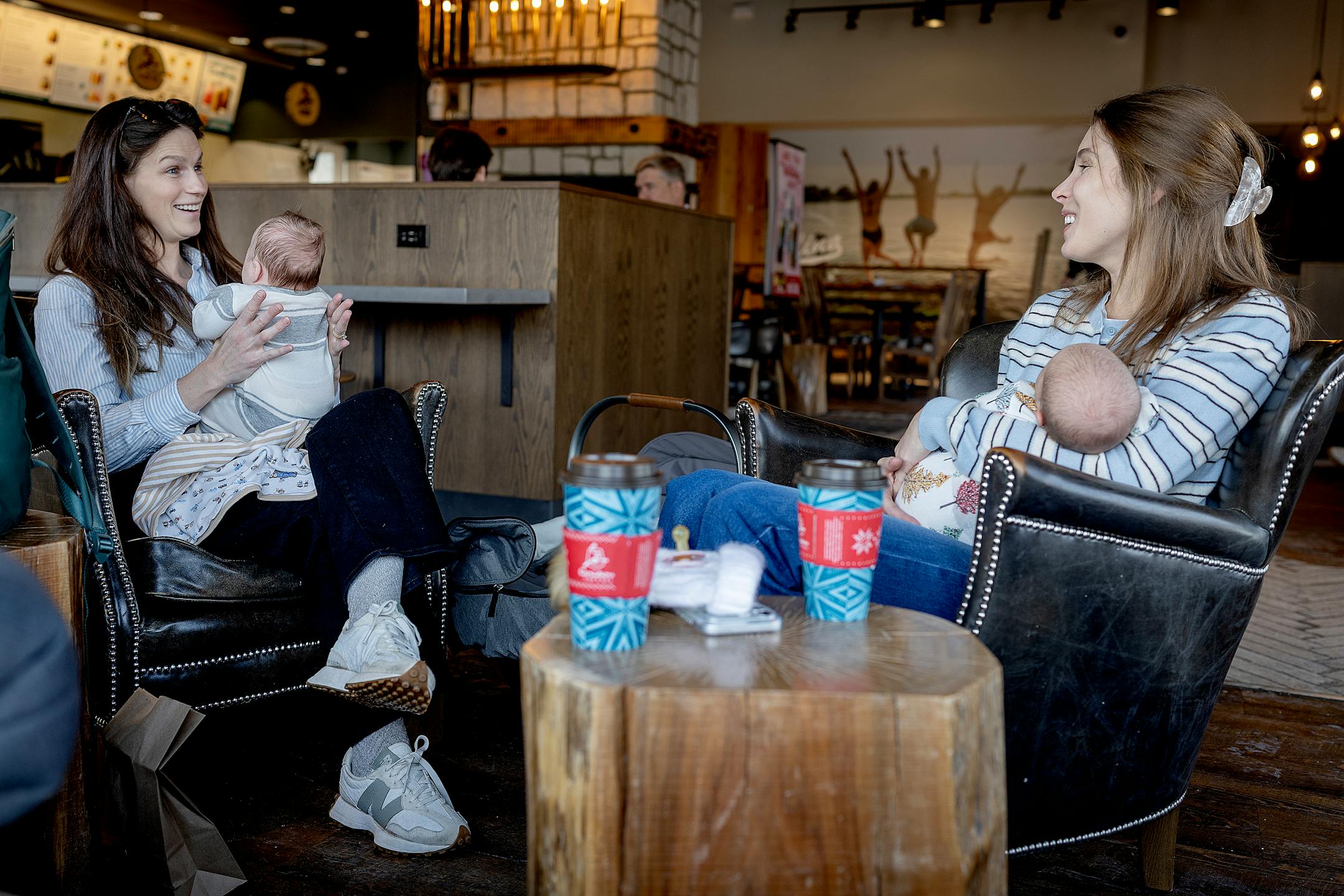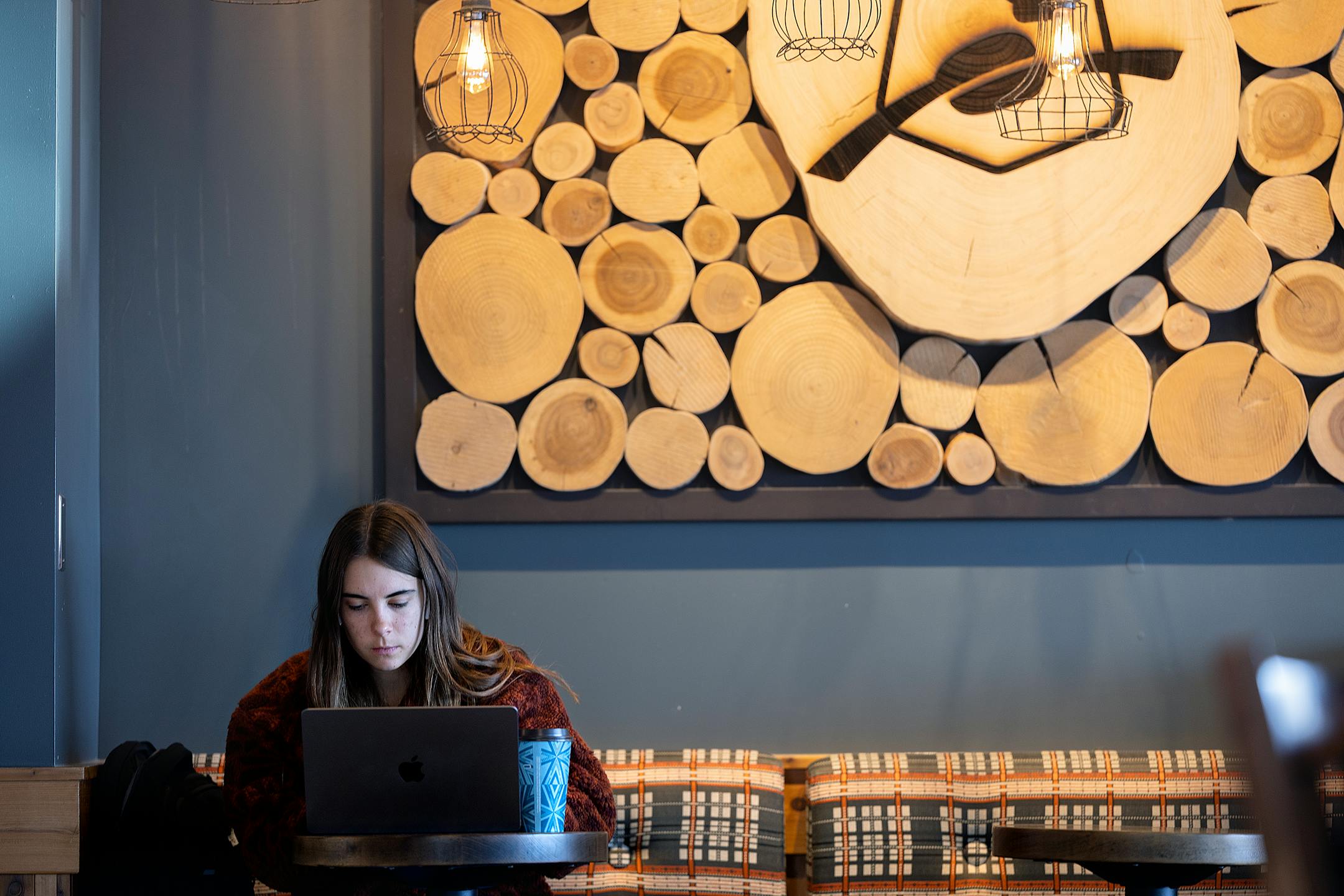
Caribou Coffee’s new CEO sipped a spicy mocha inside a spacious new Edina location on a recent Tuesday, a fire burning beneath a golden chandelier as customers sat in plush armchairs surrounded by exposed stone and wood accents.
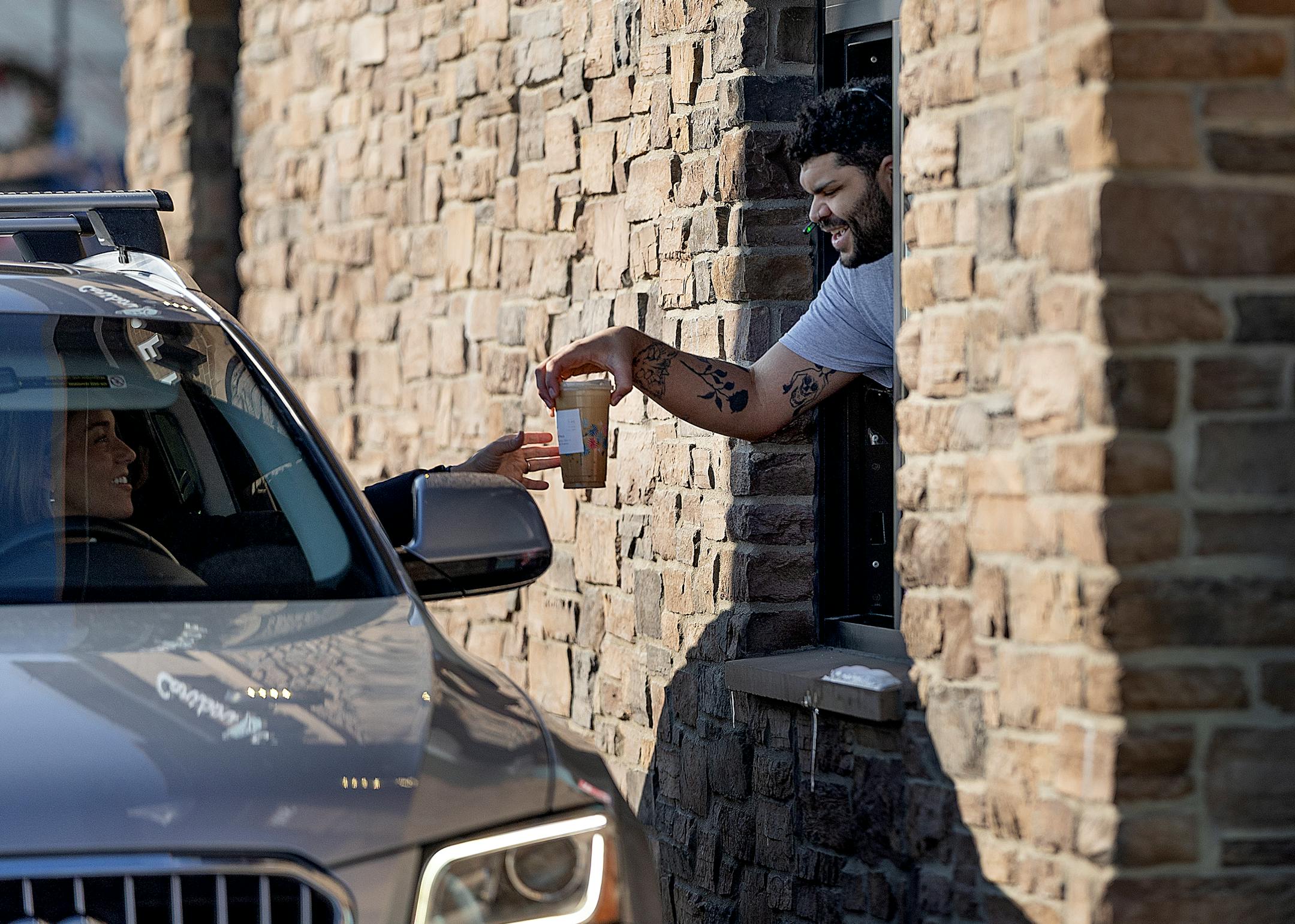
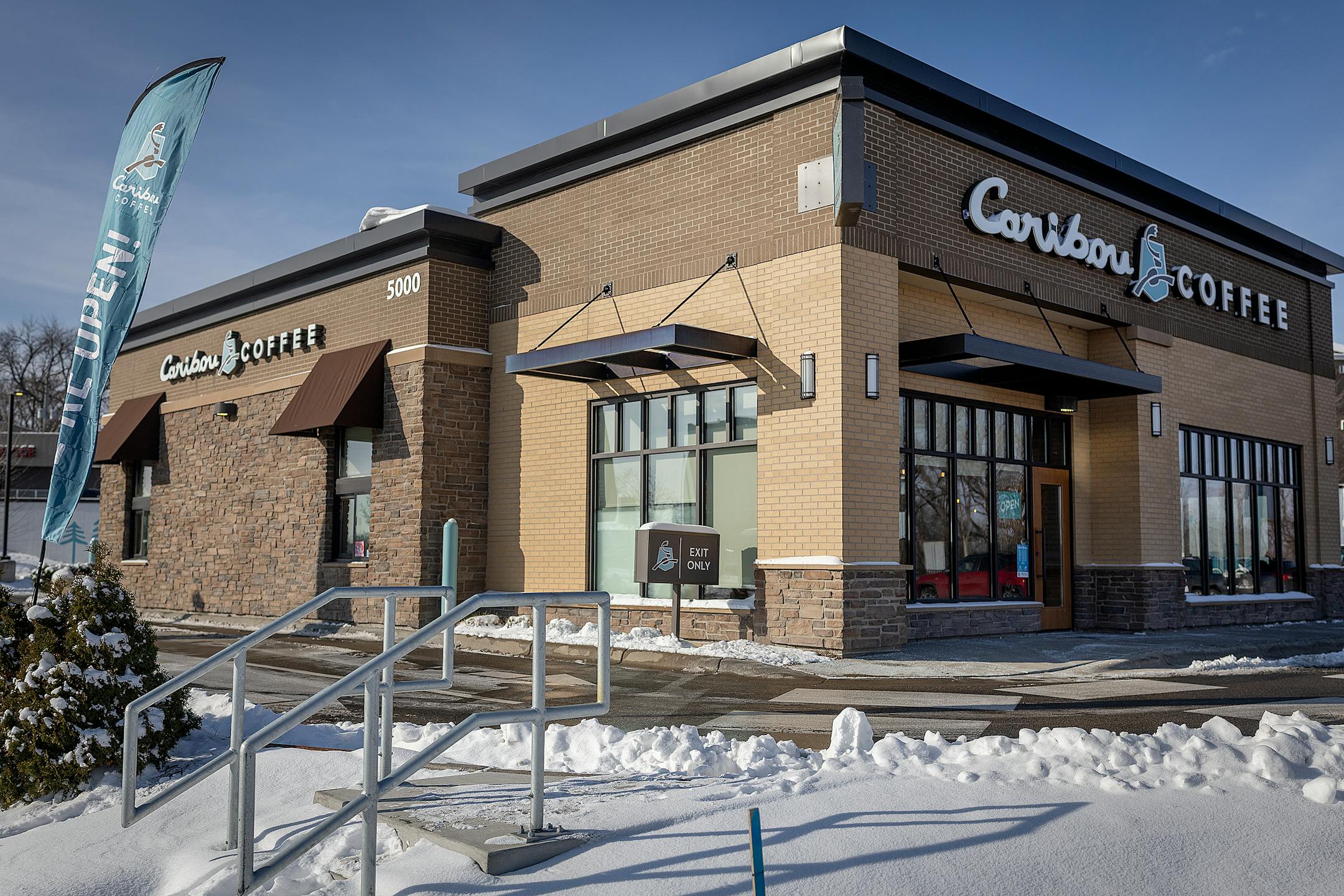
The Australia native appeared to feel the warmth, relaxation and comfort he wants all visitors to enjoy when dropping by these “chalet” concept stores. The Minnesota-founded brand is staking its future on the cozier, “sit down and stay a while” cafes rather than the drive-thru “cabin” model Caribou bet on in 2019.
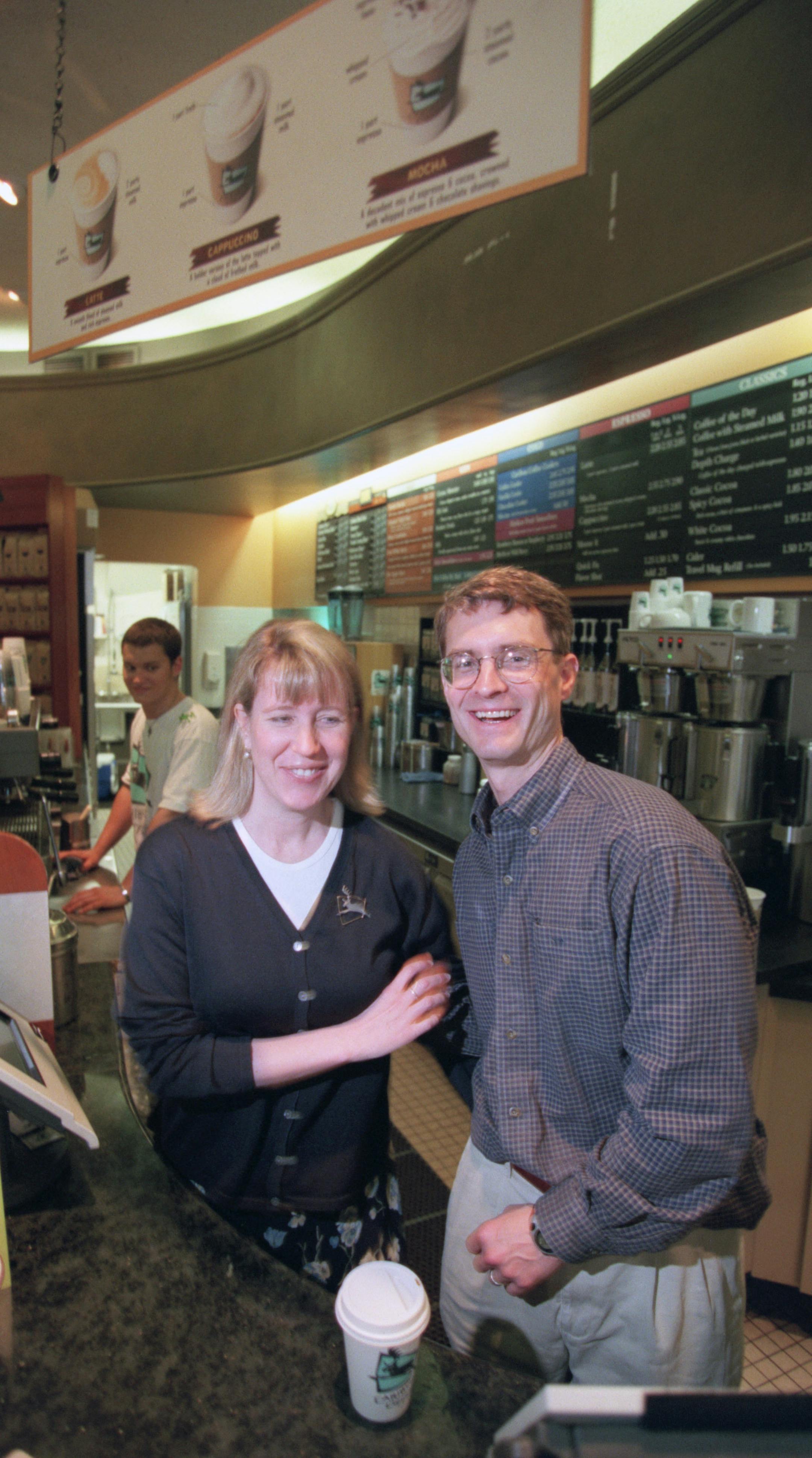
The feel is strikingly similar to the original 1992 storefront, also in Edina, that launched the chain.
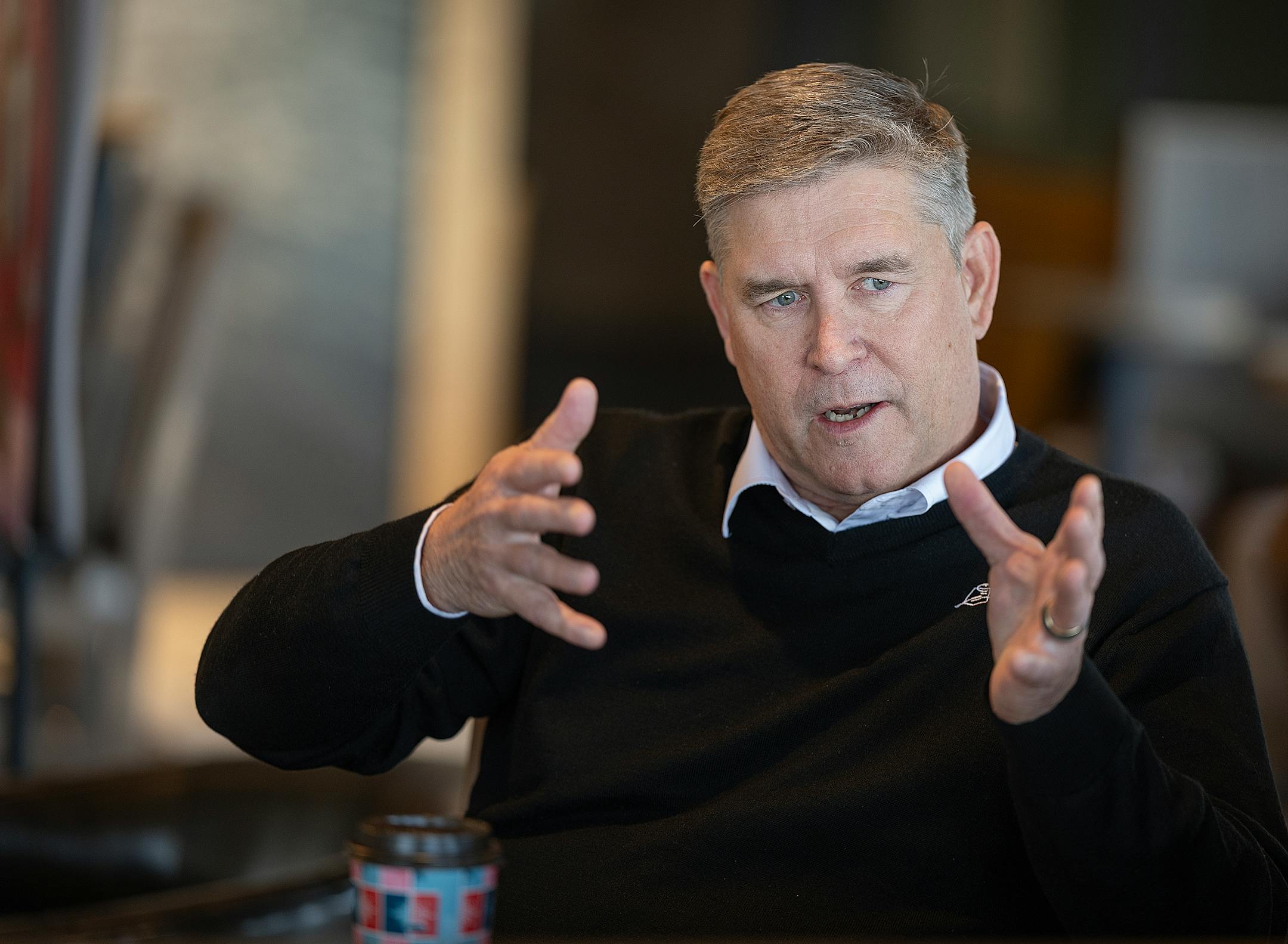
“A drive-thru-only box isn’t personal,” said Scott Kennedy, who took the helm of Caribou earlier this year. “It’s really the team and the experience that differentiates why a coffee might taste or feel better in a certain environment.”
After decades of expansion, contraction, leadership changes, ownership transitions, business model revamps and new products — like boba tea — Caribou’s return to its foundation is what leaders hope will set it apart from industry behemoth Starbucks. Competition for customers is especially fierce, as many people rethink their daily $7 latte in an era of persistently high inflation and economic uncertainty.
The new strategy could determine Caribou’s survival amid a slowdown in foot traffic.
Back to the basics
When John Puckett and his wife, Kim, founded Caribou more than 30 years ago, the two were fresh out of corporate jobs in Boston and looking to build a business where they wouldn’t “spend Sundays dreading to go to work on Monday,” he said.
Coffee was the ticket, thanks to mentorship from the founder of Boston-based Coffee Connection, the Starbucks-acquired chain that invented the Frappuccino. The Pucketts chose Minnesota since it was one of the largest markets yet untouched by the Seattle-based coffee giant.