Licensed Minnesota cannabis businesses run into roadblocks finding space to rent

Entrepreneurs face a “green tax” of high rents, wary landlords and zoning restrictions as they race to launch under new state licenses.

The Minnesota Star Tribune
October 15, 2025 at 11:00AM
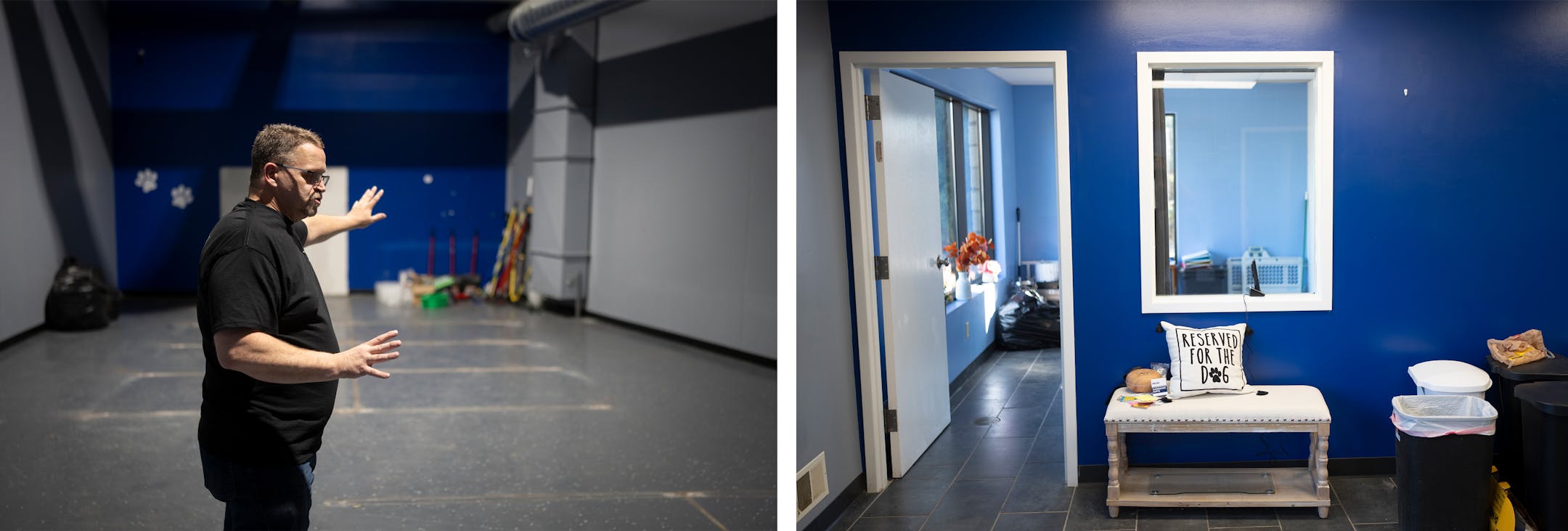
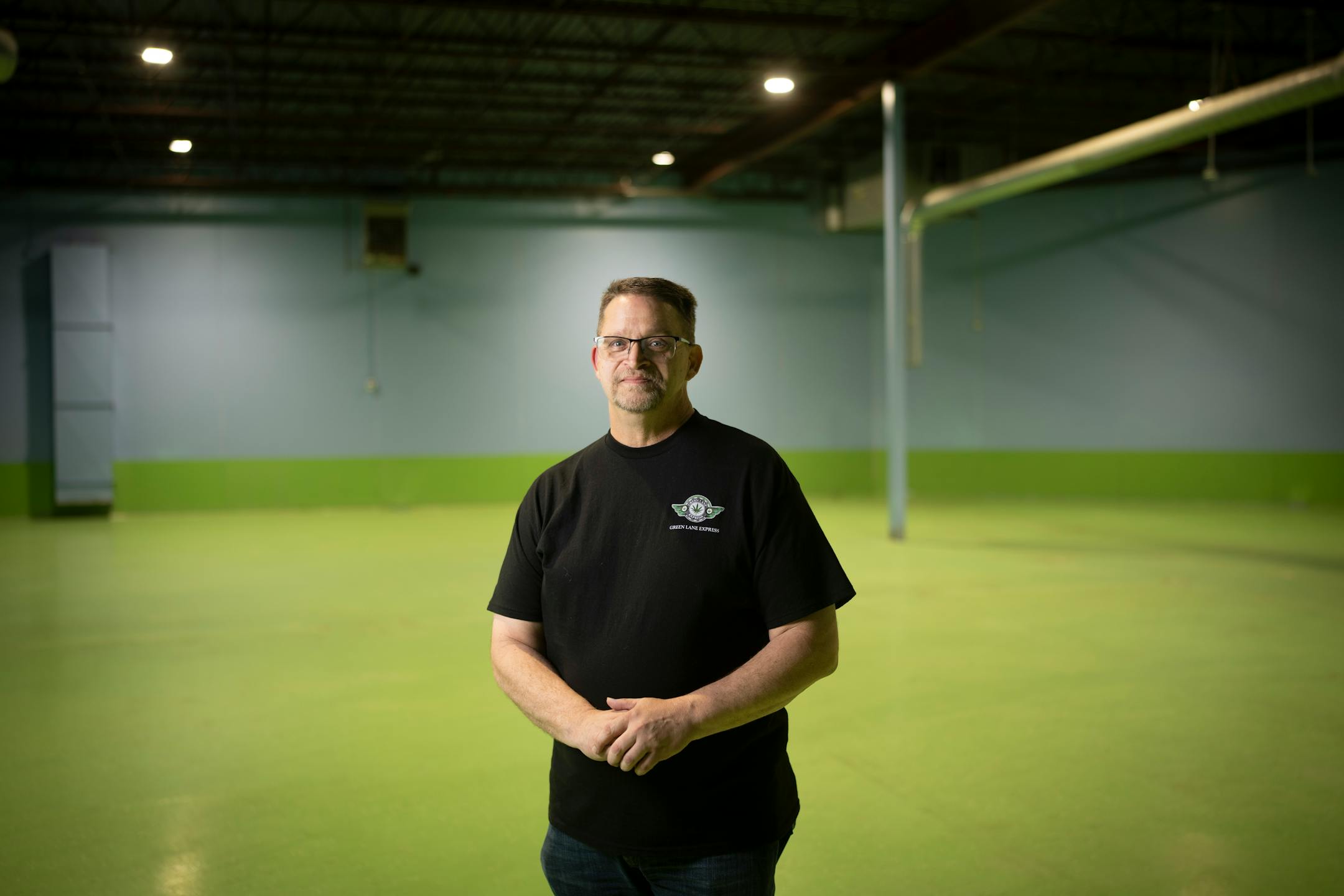
Brian Bartley stands in what will be the grow room in the Brooklyn Park building he is renting for his Green Lane Express cannabis business. (Renée Jones Schneider/The Minnesota Star Tribune)

After more than 20 rejections from landlords, Brian Bartley began to wonder if Minnesota’s new cannabis industry was really open for business.

The 57-year-old Army veteran is trying to get his social-equity cannabis microbusiness, Green Lane Express, off the ground. He received his preliminary license in April, starting an 18-month clock to open his business.

“I have to pour my life savings into this,” he said. “My retirement is going into this.”

But each time he mentioned marijuana during lease talks, the conversation ended almost as quickly as it began.

Across Minnesota, zoning limits, cautious landlords and federal banking restrictions have made real estate one of the steepest climbs in the state’s emerging cannabis economy — especially for entrepreneurs like Bartley without deep pockets.

Even though Minnesota legalized cannabis sales at the state level, marijuana remains illegal under federal law. That keeps most national banks from financing or servicing cannabis companies, and many landlords from taking a risk on them.

A lot of landlords are “afraid to touch” the cannabis industry, said Mackenzie Damerow, a senior associate industrial broker at Hoyt Properties who works with cannabis clients.

(Sign up for Nuggets, our free weekly email newsletter about legal cannabis in Minnesota.)
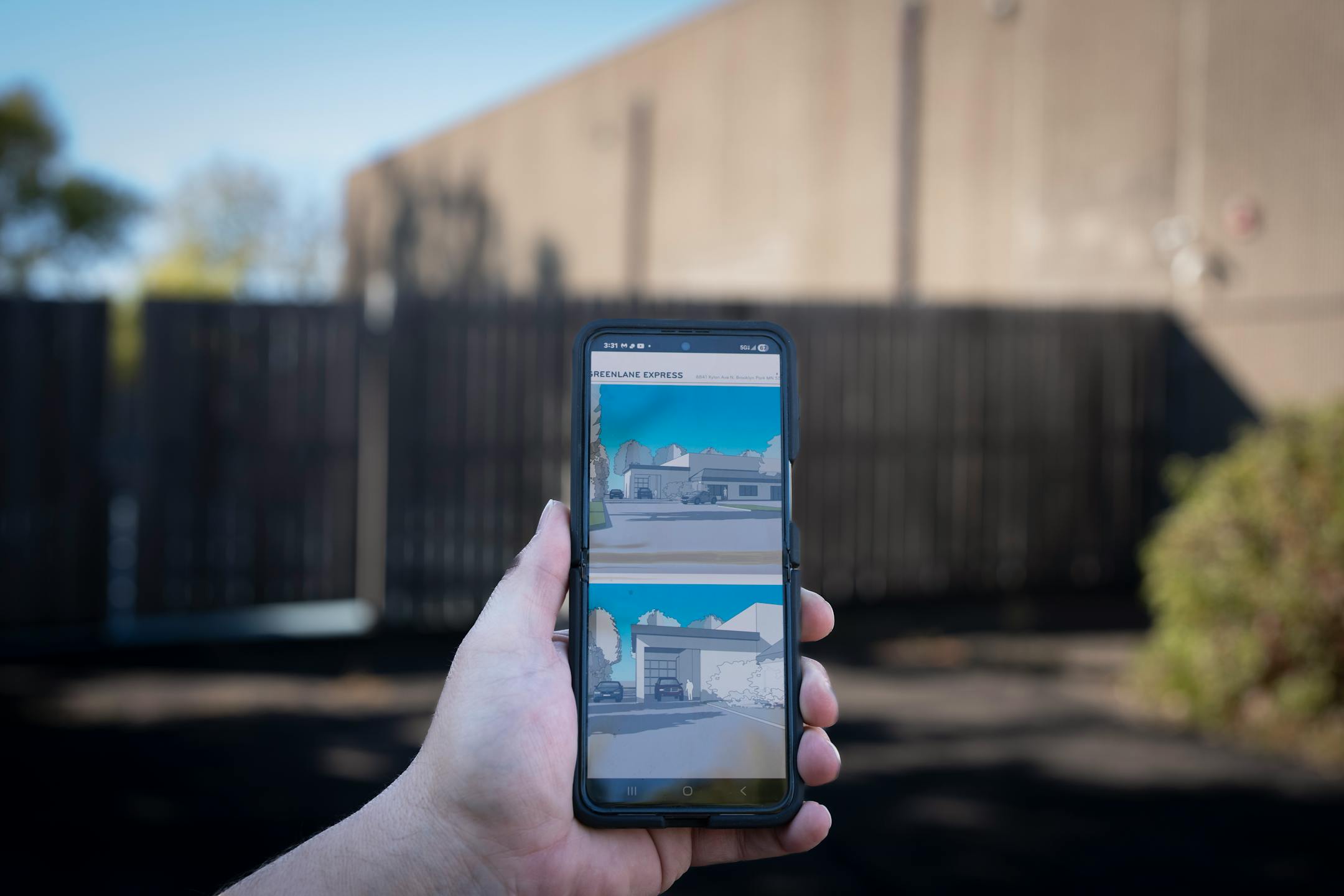
Brian Bartley shows renderings of his plan for Green Lane Express. (Renée Jones Schneider/The Minnesota Star Tribune)

Landlords, loans and federal law

Some real estate owners fear losing their mortgages or insurance. Others simply get cold feet.

“A lot of the stigma and a lot of the issues that these groups are facing from a leasing or purchasing standpoint will not be alleviated until the industry is up and running for a few years and more information is passed out,” Damerow said.

Carol Moss, an attorney working with cannabis businesses for Hellmuth & Johnson, said finding a landlord is the first roadblock for many clients.

One told Bartley flat-out, “I don’t lease to people who smoke marijuana.” Another stopped responding to him without explanation after visiting a cannabis growing operation and disliking the smell.

And then there’s the fear of overstepping federal law.

Because marijuana remains federally illegal as a schedule I drug, any property financed through a federally regulated lender can be flagged as a potential violation of federal law if it hosts a cannabis tenant. Loans backed by the Small Business Administration or the federal government aren’t options.

“National banks won’t touch anything cannabis with a 10-foot pole,” Moss said.

“Cannabis is extremely risky, and what we try to do is mitigate as much of the risk as possible, but there are going to be some risks, and some situations you’re going to have to take more risks,” she added.

To protect her clients, Moss often amends leases to ensure cannabis businesses can’t be evicted simply for operating legally under state law.

The ‘green tax’

Some of Moss’ clients also have signed leases only to discover their properties weren’t zoned for cannabis operations. Even when they find compliant space, she said, cannabis tenants usually pay more than other renters.

“When they do find commercial space, they’ll probably pay a premium for it,” she said.

The build-out costs can also be substantial.

“The groups I’ve been looking at in the 7,000- to 10,000-square-foot range have seen build-outs exceeding a million dollars,” Damerow said.

She said this so-called “green tax” — inflated rent prices and higher security deposits — is something she often sees with clients, though she understands where landlords are coming from.

In September, Bartley caught a break and signed a five-year lease for a space in Brooklyn Park.

Bartley, who plans to both cultivate and sell marijuana, needed a large space.

The location he secured is over 9,900 square feet with a monthly rent of about $10,000. He plans to work with United Prairie Bank and venture capital firm Poseidon Asset Management to fund the business.

Brian Bartley received a preliminary license for his Green Lane Express cannabis business in April. From that time, he has 18 months to build it out and open it. (Renée Jones Schneider/The Minnesota Star Tribune)

Buffers, zoning and local limits

Under Minnesota’s legalization framework, the Office of Cannabis Management (OCM) oversees licensing, but cities and counties control zoning and registration.

Municipalities can limit the number of dispensaries based on population — one retailer per 12,500 residents — and must enforce buffer zones: at least 1,000 feet from schools and 500 feet from day cares, residential treatment centers or park areas used by minors.

Local governments can also pass stricter ordinances within that framework. And some have.

Bartley had hoped to open in Brooklyn Center, but he said city officials directed cannabis cultivation businesses to industrial areas rather than retail spaces — a rule that would have forced him to split his operations between two sites, since he plans to cultivate, manufacture and sell retail under his microbusiness license.

“Some cities are adding additional feet to buffers as a way to be more adverse or to essentially try to zone out cannabis,” attorney Nicole Rash said at the Cannabis Law Conference this summer.

Rash, who specializes in zoning and local permitting, said some municipalities have pushed the limits of state law by expanding buffer zones, redefining “parks” or adding restrictions near churches, pawn shops or liquor stores.

“There’s a lot of misunderstanding, biases,” Moss said. “I’m hopeful that as these businesses come online, local governments will see that these can be very good community businesses. They can bring in populations, they can bring in tourism, they can bring in sales tax revenue.”

Bartley remains undeterred. He plans to launch Green Lane Express in January.

about the writer

about the writer

Emmy Martin

Business Intern

Emmy Martin is the business reporting intern at the Minnesota Star Tribune.

See Moreicon

More from Cannabis

See More
card image
Alex Kormann/The Minnesota Star Tribune

Don’t panic, THC makers and sellers say, as federal prohibition of the popular hemp drinks is still a year off and will be fought.

card image
card image