For years, the most beloved part of my personal library was my two-volume set of the Oxford English Dictionary (“the OED,” to word nerds everywhere). Poring over its tissue-thin pages, tracing a word’s etymology, scouring a follow-up entry then another and another, realizing hours later I’d fallen down a logophile’s rabbit hole. Bliss.
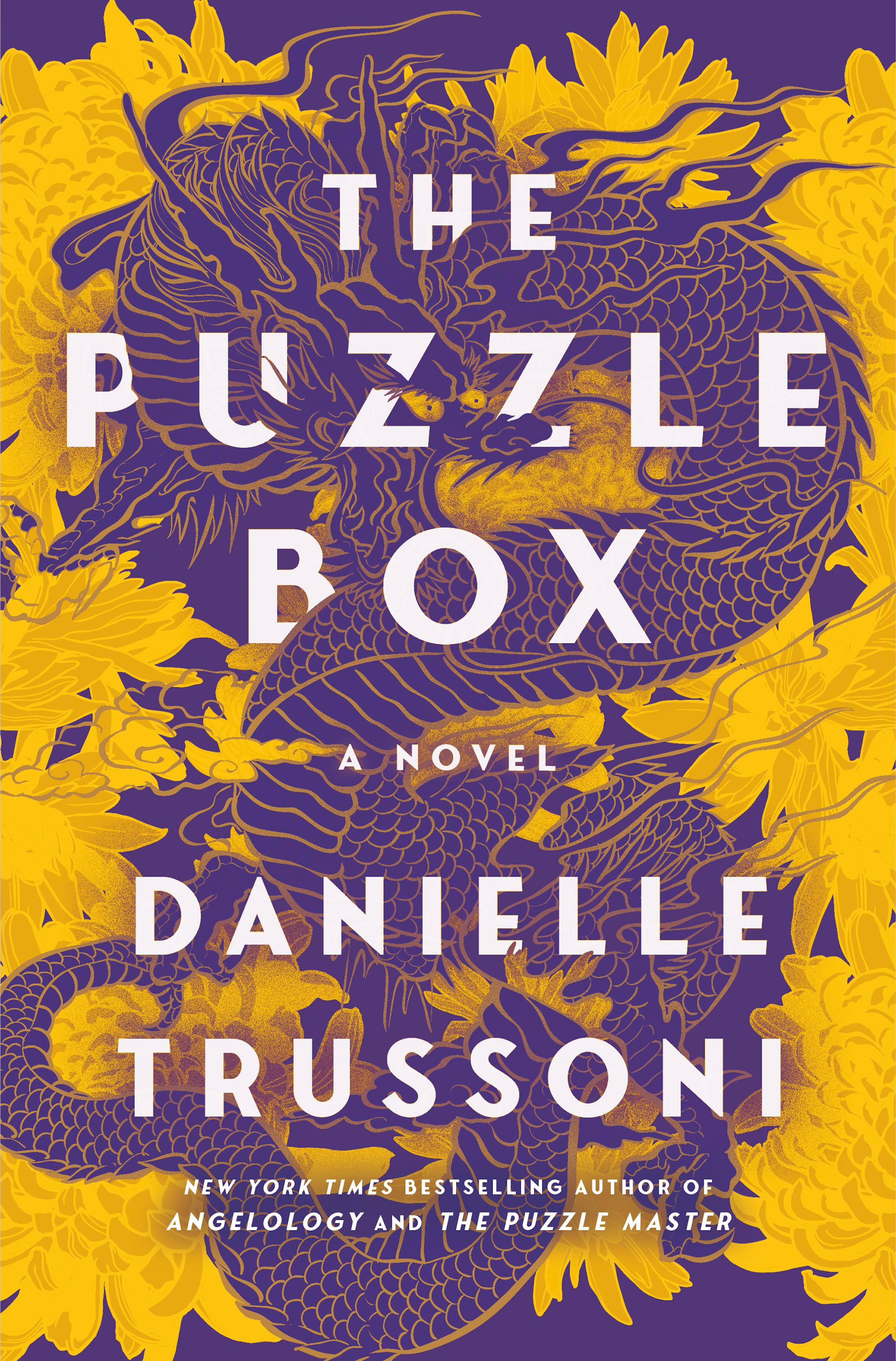
As a result of this obsession I love to read puzzle mysteries. I don’t mean mysteries with puzzling plots. I mean ones where solving the mystery involves cracking a series of clever puzzles. Here are four I’ve deciphered recently:
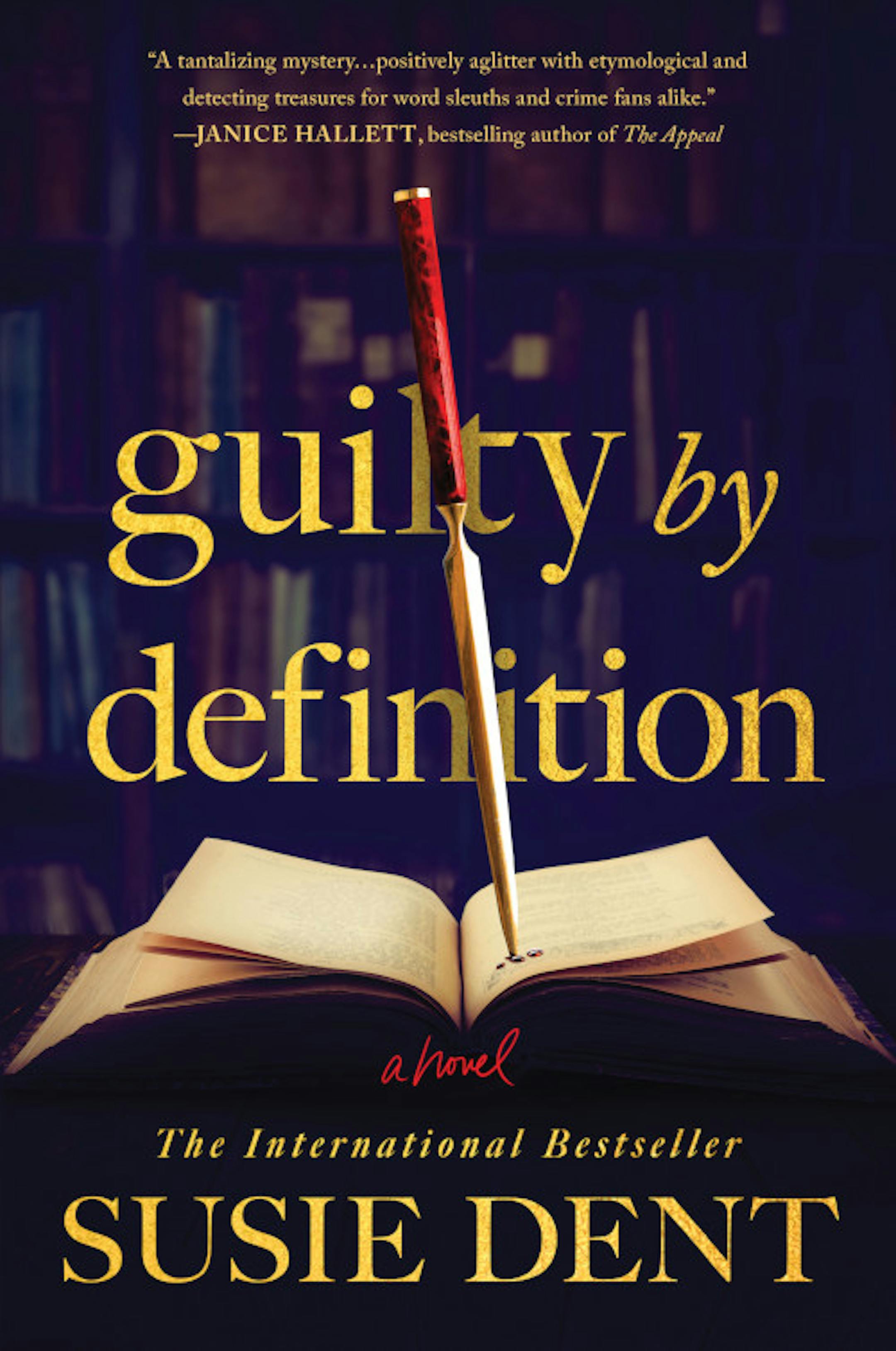
Susie Dent’s “Guilty by Definition” is a philologist’s dream, a captivating mystery set in Oxford, England, and propelled forward by a series of cryptic prose puzzles soused in classical literary allusions. Martha Thornhill is the senior lexicographer at the Clarendon English Dictionary (CED), a fictional OED. Martha is “pale, pensive,” a pre-Raphaelite woman in a post-modern world. She “loves words … their roots, their rhythms, their skeletons, shapes, and stories.”
Martha’s other obsession is the disappearance of her sister, Charlie, a decade ago. When encrypted letters are sent to Martha and her editors at the CED, they decide to “tangle and tussle” with language and unravel the mystery surrounding Charlie. Following clues from the letters, the team discovers Charlie had a cool literary secret that upends their world of words. A particular delight of this book is its chapter headings of archaic and unusual words — like ipsedixitism, an assertion “that something is fact just because a single person says so.” This book is terrific.
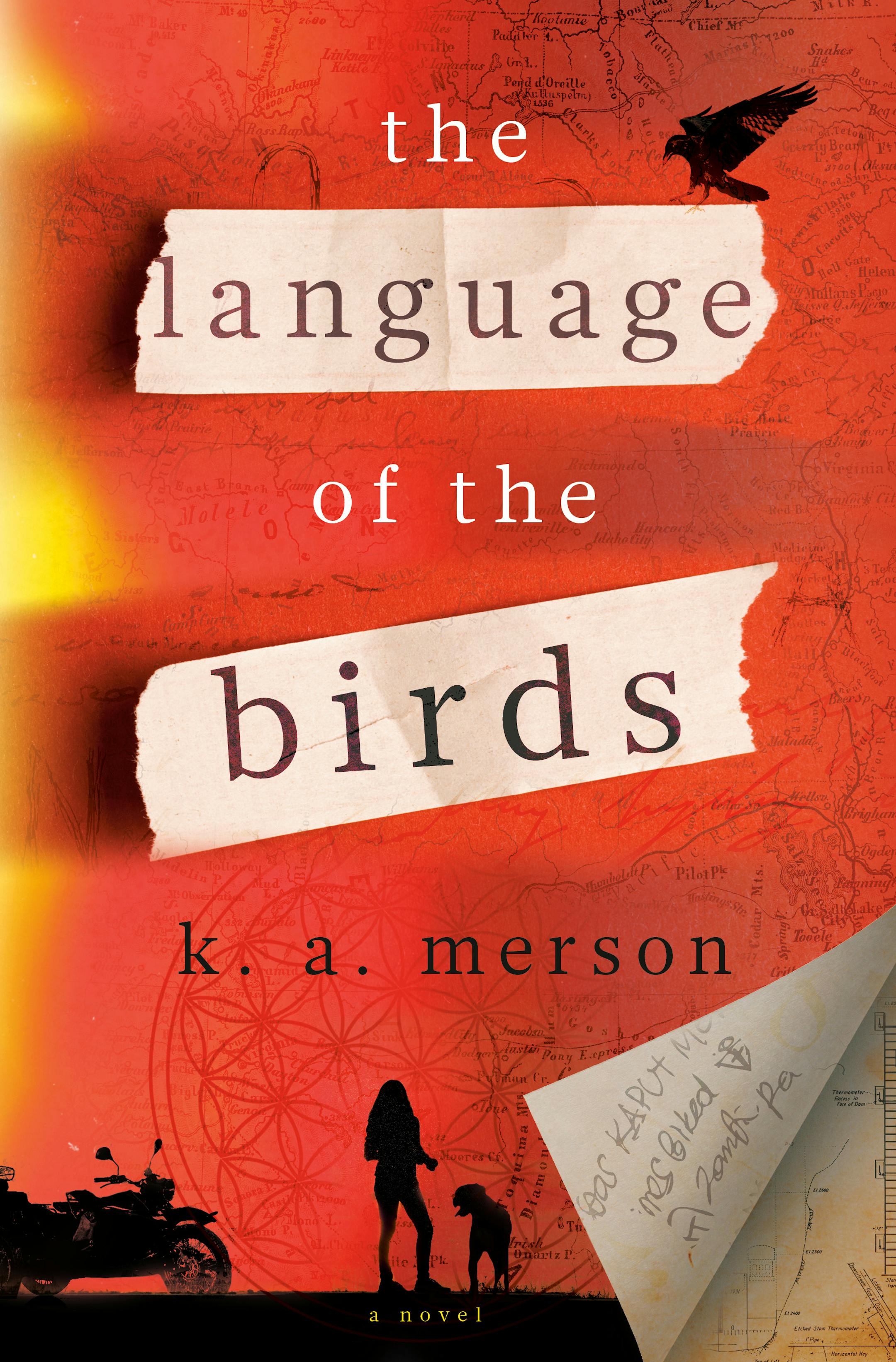
I may have cracked several of the allusions in Dent’s novel, but K.A. Merson’s “The Language of the Birds” was a Gordian knot to me. Didn’t matter. I was completely beguiled from beginning to end with Merson’s fresh, frank and courageous main character. Arizona is a brilliant young woman who thinks in images and visual patterns. She recites “safety poems” to keep her anxiety at bay, seeking the “soothing power of facts” because “feelings don’t always work like math.” Her favorite book is Jules Verne’s “Journey to the Center of the Earth” and that’s kind of where Merson’s novel takes us.
When Arizona’s mother is kidnapped and she must raise ransom money, Arizona, accompanied by her dog Mojo, solves a string of increasingly complex ciphers and cryptograms that may lead to humanity’s Rosetta stone, a key to everything. The narrative is threaded with intriguing political history and fascinating esoteric details about alchemy, all of which makes this novel an adventure to read.
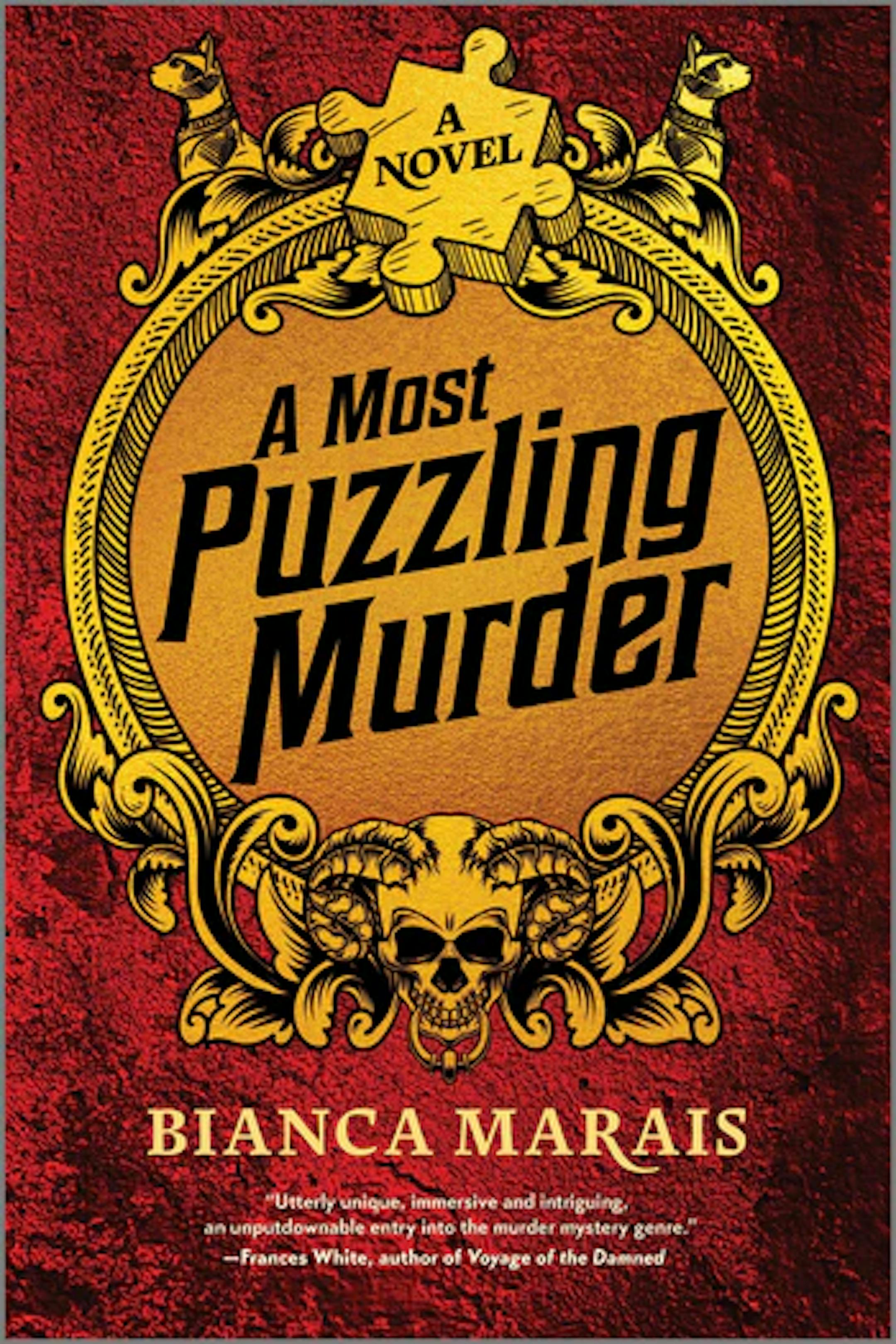
Growing up, I had little interest in choose-your-own-adventure novels, yet I really enjoyed Bianca Marais’ witty and imaginative “A Most Puzzling Murder.” It’s a charming blend of magic and mystery, packed with quirky characters and puzzles galore. Solve the puzzles along with the characters and move forward in the narrative. (Solutions are at the end of the book. I may have cheated once or twice.)
The novel’s main character is Destiny Whip. She’s as smart as a ... (you get it) and an orphan with prophetic “nocturnal visions” that may be connected to her, well, destiny. A child prodigy, she has become a respected member of the Council of Enigmatologists. Destiny, however, feels like “a lone pelican in a flamboyance of flamingos.”