

Opinion editor’s note: Strib Voices publishes a mix of guest commentaries online and in print each day. To contribute, click here.
•••
Wilderness is endangered. The wild and untamed landscapes that once seemed endless and opaque to our ancestors are now barely visible to most of us. As our population grows, as we stumble toward technology and away from our hunter/gatherer roots, many now question the validity of retaining these blocs of wild land and water at all. However, to those of us who find immense value in these places, the modernity in which we steep is exactly what makes them so precious. To those of us who can’t imagine life without the ability to dive into some wild place and live with the rhythms of the natural world for a time, and who believe every human has a right to do the same, a right to wilderness, now is a crucial time.
We in the U.S. are undoubtedly some of the luckiest knuckleheads in the world. Clean drinking water and a decent average life span aside, one glaring reason I say this is the 640 million acres of public land managed by the federal government that we all collectively own. Throughout our tenure we have decided to keep some of the most exciting places in our country free from development and open to anyone who feels like rambling around in them. Sometimes I forget how incredible that is. These lands may also be used for grazing, timber and other needs of a needy society. These lands unceremoniously protect our drinking water, mitigate flooding, provide habitat to countless critters and remind us that we are simply a part of the natural cycle of the universe.
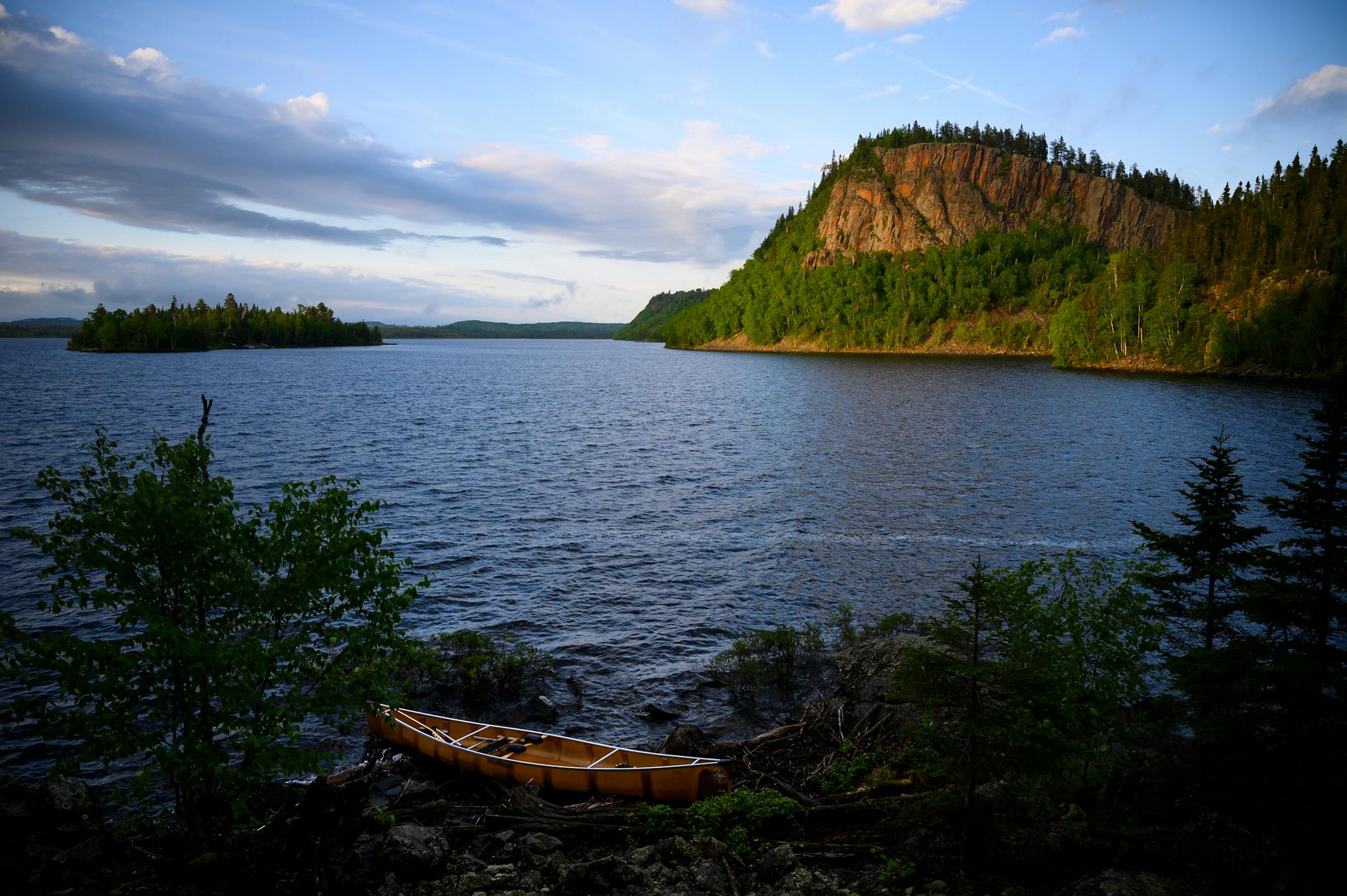
My nearest chunk of wild is the Boundary Waters Canoe Area Wilderness. For most of my life I have paddled, camped, fished, hunted, struggled, prayed, bled and grown in that place. The BWCA is where I, and many others, go to leave the modern world behind. It’s where we go to get up with the sun, eat when we’re hungry, sleep like logs, work our tails off and enjoy a peace that can only come from being far away from clocks and the internet. Ask anyone who values this, and none of them would sell it.
But, of course, not everyone sees wilderness in this way. There are plenty of people who think of land as simply a commodity to be sold or mined into oblivion or developed into mediocrity and think nothing of its spiritual value. They also ignore its value in protecting our planet and food systems, or its role in the $1.2-billion-per-year outdoor recreation industry (if you need a financial hit). Some people in political power this very moment are working to find ways to take these lands we all own and use them for their own personal gain. As any kindergarten student would tell you, this is unacceptable.
The Boundary Waters Canoe Area Wilderness is the largest wilderness area east of the Mississippi River, the gem of the Midwest and under constant threat of ruin or sale at the hands of shortsighted politicians. At this very moment there is a nefarious plan to open a copper-sulfide mine within its watershed by Twin Metals, owned by a Chilean mining company with a history of polluting its sites into rust-colored poisonous wastelands.
In addition, there is a bill that was introduced in October by U.S. Sen. Mike Lee of Utah that is, unironically mind you, called the “Borderlands Conservation Act.” This bill would open all federal lands within 100 miles of the U.S. border to the construction of roads and “tactical infrastructure.” Furthermore, any federal unit (National Park, Wilderness Area, National Forest, etc.) that brushes up against the border is included in its entirety no matter how far from said border it extends. That includes the whole BWCA, not to mention Glacier National Park, Joshua Tree National Park and several other irreplaceable examples of American outback.


