
Opinion | Youth interrogation gets a reset in Hennepin County

The new policy for police questioning of young people is grounded in science and best practices.

December 29, 2025 at 7:57PM
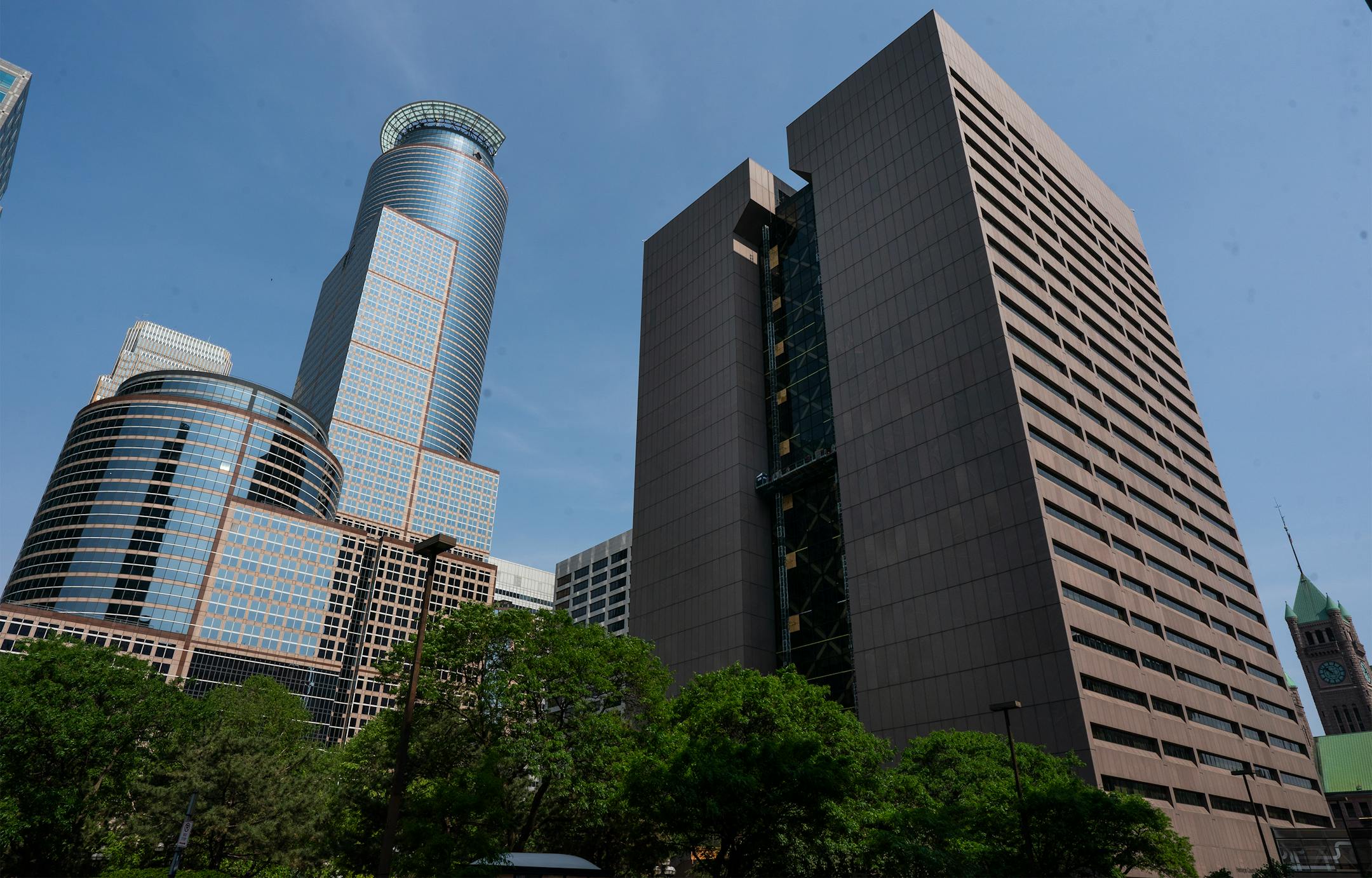
The Hennepin County Attorney's Office has adopted an interrogation policy that "will help move us in the direction of a fairer and more effective youth justice system," the writers say. (Richard Tsong-Taatarii/The Minnesota Star Tribune)

Opinion editor’s note: Strib Voices publishes a mix of guest commentaries online and in print each day. To contribute, click here.

•••

At 16 years old, one of the two authors of this article, Marvin Haynes, was picked up by police on a warrant for a curfew violation.

Marvin was annoyed at being hauled down to the station but, as far as he knew, it was a minor thing. He figured he would soon be back home with his mom. He had no idea that it would be nearly 20 years before he would go home.

Marvin was put in an interrogation room with two Minneapolis detectives and was read his Miranda rights. When asked to explain those rights in his own words, Marvin parroted back to the officers what they had said, at one point trailing off before saying “I don’t know.”

When told he had a right to a lawyer, Marvin asked for his mom, a request the police brushed off.

Ultimately, like 90% of youthful suspects, Marvin talked to the police. At that point, he had no idea this interrogation was not really about some petty curfew violation. Instead, he was about to be accused of murder.

Over the course of that interrogation, police lied to Marvin about the evidence against him, profanely berated him and engaged in a host of manipulative interrogation techniques. Unlike many other young people in similar situations, Marvin did not give a false confession. Even so, the prosecutor at trial repeatedly weaponized Marvin’s statements against him. That trial ended in a wrongful conviction that left Marvin to grow up in prison before finally being exonerated in 2023.

If we are going to build a justice system for the 21st century that both promotes public safety and respects young people’s basic constitutional rights, interrogations like the one in Marvin’s case cannot be part of our tool kit. That is why the Hennepin County Attorney’s Office has recently adopted a new policy on youth interrogation that is grounded in science and best practices.

That policy does a few things. First, it ensures that all criminal suspects younger than 18 are given a meaningful opportunity to consult with an attorney before being interrogated. There is a wealth of evidence showing that young people do not really understand the fundamental rights that they summarily waive away and why those rights matter. This new policy — which has already been successfully implemented statewide in California, Washington and Maryland — will make sure that youthful suspects’ constitutional rights are protected before they are put into a scenario that could alter the course of their lives. The policy also ensures that parents are informed and have an opportunity to get to the interrogation, something any parent would want but that Marvin’s mother was denied.

Second, the policy makes sure that prosecutors are not relying on statements that were the result of coercive techniques that have no place in youth interrogations. These techniques include things like lying to suspects about evidence and using polygraphs to suggest the suspect is not being honest. The policy also covers techniques designed to convince the suspect that things will go terribly if they don’t cooperate with police but could go much better for them if they tell the police what they want to hear. These kinds of techniques have been shown to create a high risk of false confessions, particularly when used with young people. Thus, it should come as little surprise that more than a third of exonerations involving youthful defendants involved a false confession — about three times the rate of exonerations involving adult defendants. Such injustices do not just harm the wrongfully convicted individual. They also undermine public safety by leaving the true perpetrators free to cause further harm.

Finally, this policy seeks to move police interrogation and interview activity out of the school setting, where it risks disrupting the educational environment for all students. The policy does not prevent the ordinary, everyday functions of school resource officers. It simply seeks to relocate formal police questioning off-site so that schools can be a place for learning.

All told, this policy will help move us in the direction of a fairer and more effective youth justice system. That will promote public safety as well as public confidence in the integrity of our system. And it will help avoid creating future victims of injustice like Marvin Haynes.

Marvin Haynes was exonerated in 2023 after serving nearly 20 years in prison. Andrew Markquart previously represented Haynes as an attorney at the Great North Innocence Project and now leads the Hennepin County Attorney’s Office’s Conviction Integrity Unit.

about the writer

about the writer

Andrew Markquart and Marvin Haynes

More from Commentaries

See More
card image
Richard Tsong-Taatarii/The Minnesota Star Tribune

The new policy for police questioning of young people is grounded in science and best practices.

card image
card image