
Repurposed old hotels setting off debates in the suburbs

The owner of an aging Hampton Inn in Burnsville wants to turn it into a rehab facility amid efforts to reinvent hotels to meet social service needs.

The Minnesota Star Tribune
September 25, 2025 at 11:00AM
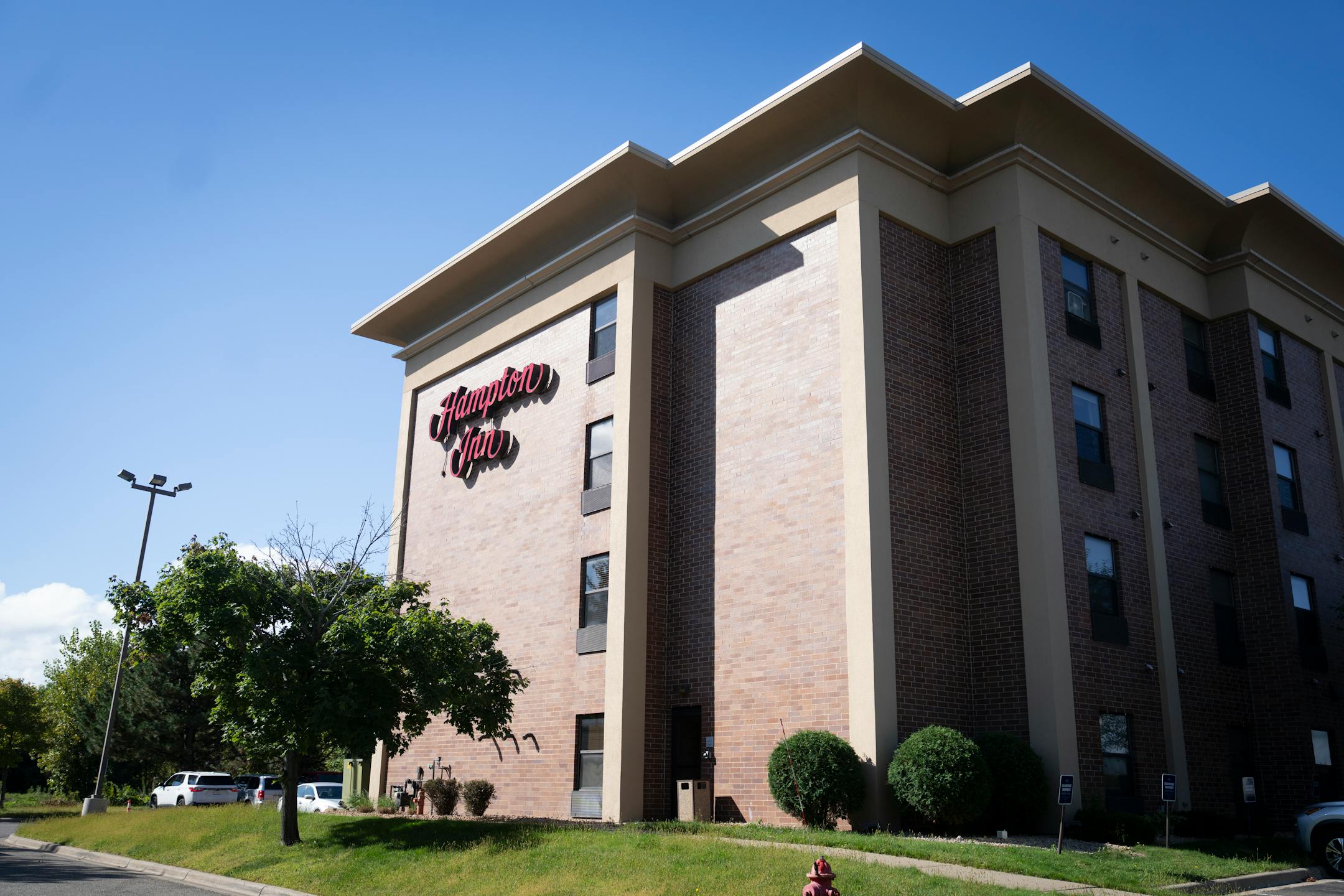
The owner of a Hampton Inn in Burnsville is seeking permission from the city to convert it into a drug treatment facility. (Renée Jones Schneider/The Minnesota Star Tribune)

An aging Hampton Inn in Burnsville could soon become the site of a drug treatment facility, suggesting the pandemic-era practice of repurposing old hotels in some Twin Cities suburbs is here to stay.

The owner of the hotel at 14400 Nicollet Court is seeking permission from the city to turn the building into an inpatient rehabilitation center. If plans move forward, the facility would offer 148 beds for people receiving care for substance use and mental health issues.

The treatment center would join other reconfigured spaces in the metro area that were once hotels — from an affordable housing development for veterans in Robbinsdale to a flurry of tiny apartments in Bloomington. But such conversions have sparked debate across the metro, with residents and local officials worrying about crime, strain on emergency resources and the facilities’ fit within their neighborhoods.

A homeless shelter planned for an Eagan hotel remains on pause following fierce backlash. Many Bloomington hotels that functioned as makeshift homeless shelters during the pandemic have since ended that use. And a recuperative care business that Ramsey County housing officials were operating in a Brooklyn Center hotel lost its city license and attracted scrutiny from the county.

Burnsville Fire Chief BJ Jungmann acknowledged the need for the facility at a recent City Council meeting, but also raised concerns about 911 call volume.

“It could be a great asset to the community,” Jungmann said. “On the other hand, it could be resource-constraining.”

Elected officials earlier this month delayed a vote on granting the hotel owner, MSP Burnsville LLC, a permit to give an attorney representing the owner more time to address several public safety concerns from Burnsville leaders.

Megan Rogers, the lawyer working on behalf of the owner, has attempted to dispel those worries. She noted that whoever runs the treatment facility — the owner hasn’t identified a provider — will have to follow more than 20 conditions meant to guarantee its safe operation.

That includes following a city-approved security plan, as well as establishing relationships with local medical providers to ease the burden on fire and police departments when emergencies arise.

“This is not intended to be a facility that simply meets standards or is code-conforming,” Rogers said. “This is intended to be an extraordinary project.”

Emergency services strain

Five treatment facilities already dot Burnsville, but only one offers inpatient care, Planning Manager Mike Mrosla said.

Council Member Dan Gustafson said the model proposed at the Hampton Inn site fills a critical need. If approved, a provider would offer two forms of care: a live-in program with therapy and basic medical services for one or two months, and a more intense live-in option focused on addiction treatment that lasts up to three months.

Patients would detox at another facility before being referred to the Burnsville location.

“We don’t have a long-term treatment center in Dakota County at all, and one of the cornerstones of our public safety today has been behavioral health,” he said. “So to have that type of operation going to Burnsville seems totally appropriate.”

But the facility’s relatively large size has given some public safety leaders pause. Jungmann, the fire chief, said the fact that the provider remains unknown concerns him, because there’s no way of knowing how heavily they will lean on the fire department for help.

“Obviously, if they dial 911 we’re going to show up and take care of them,” he said. “What I worry about is the resource strain that could place on us if they don’t have appropriate staff.”

Rogers, the attorney, said 36 medical staff members will work at the site at any given time. “We believe that those people are going to be the ones best best-suited to managing most medical incidents on site,” she said.

And she noted that hotels call 911 dozens of times a year, so the annual service calls the rehab facility is expected to make — 104 for medical needs and 156 to police — would increase but not balloon emergency providers’ workload.

“We’re not going from zero calls to 200 calls,” she said, adding that the plan allows the city to shut down the facility “if this site is not working well.”

‘Another form of health care’

The hotel, located within the wedge of land between interstates 35W and 35E, is part of an area Burnsville leaders in the 1980s envisioned as a “gateway” to the Twin Cities.

They dedicated part of it for hotels, though some like the Hampton Inn have struggled to compete, former Burnsville Mayor Dan McElroy said. Other establishments have cropped up around the hotels, including an Original Pancake House and a charter school.

The rehab facility would be located in that busy area, a dynamic that concerns Council Member Vince Workman.

“I do think they’re needed, but I just don’t think they’re a good fit” for the area, he said, noting that he would prefer if the facility sat on a larger plot of land.

Rogers said a security plan, which could include extra cameras and ongoing communication with police, will keep the area safe.

Jason Lennox, who spent time in rehab and now provides consulting services for behavioral health programs in Minnesota, defended the project and pointed to data challenging the notion that treatment centers make communities unsafe. One Johns Hopkins study found that in some cities more crime occurs at corner stores than treatment centers.

Lennox noted that such facilities, though costly, can end up saving taxpayers money by reducing emergency room visits and helping people reenter the workforce.

“Those six months saved my life,” he said, adding that a number of residential treatment centers have closed in Minnesota in recent years.

“This is another form of health care,” he said. “We have the stigma because we have refused to do anything about it.”

Elected officials will convene Oct. 21 to determine the project’s fate.

about the writer

about the writer

Eva Herscowitz

Reporter

Eva Herscowitz covers Dakota and Scott counties for the Star Tribune.

See Moreicon