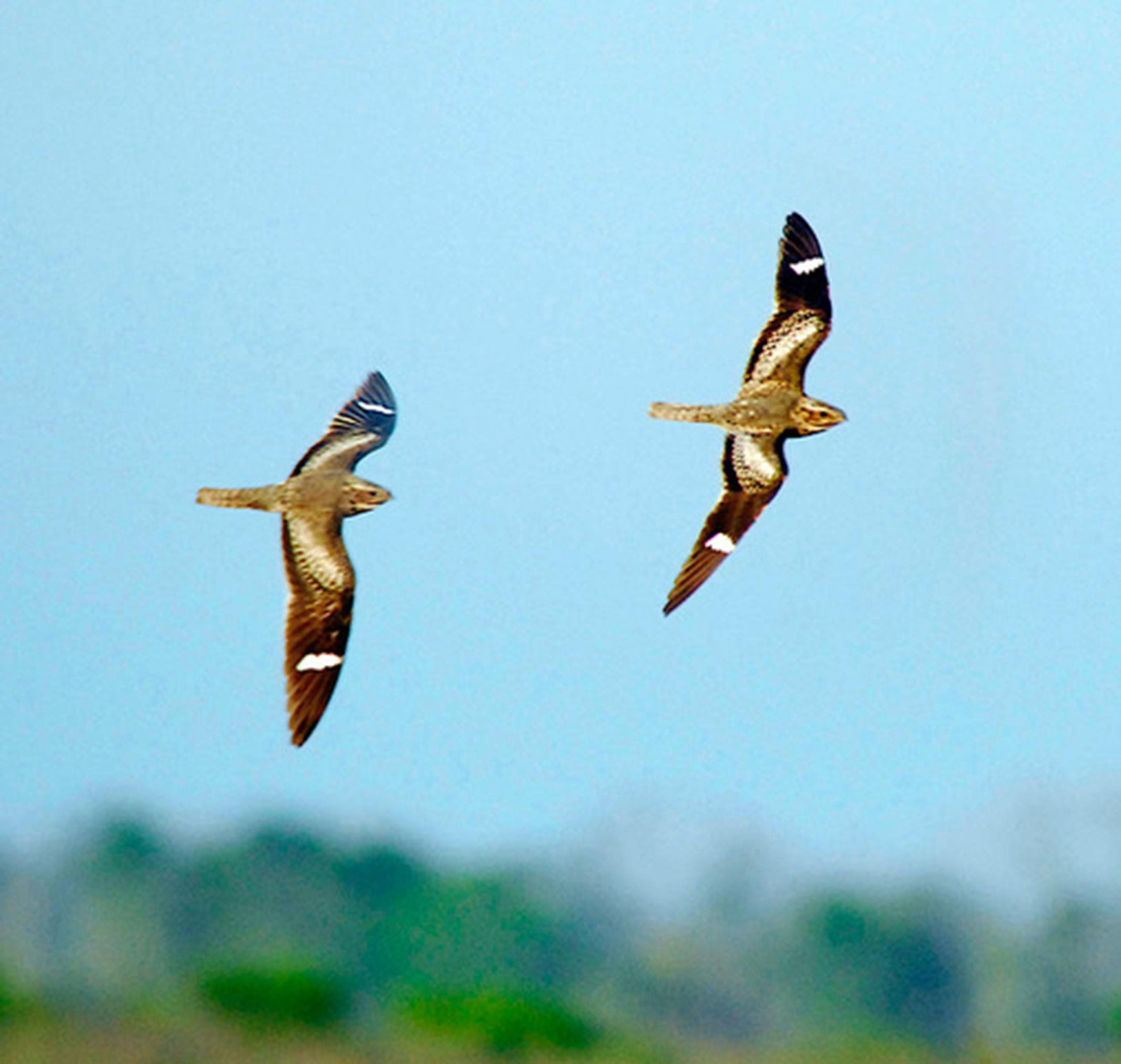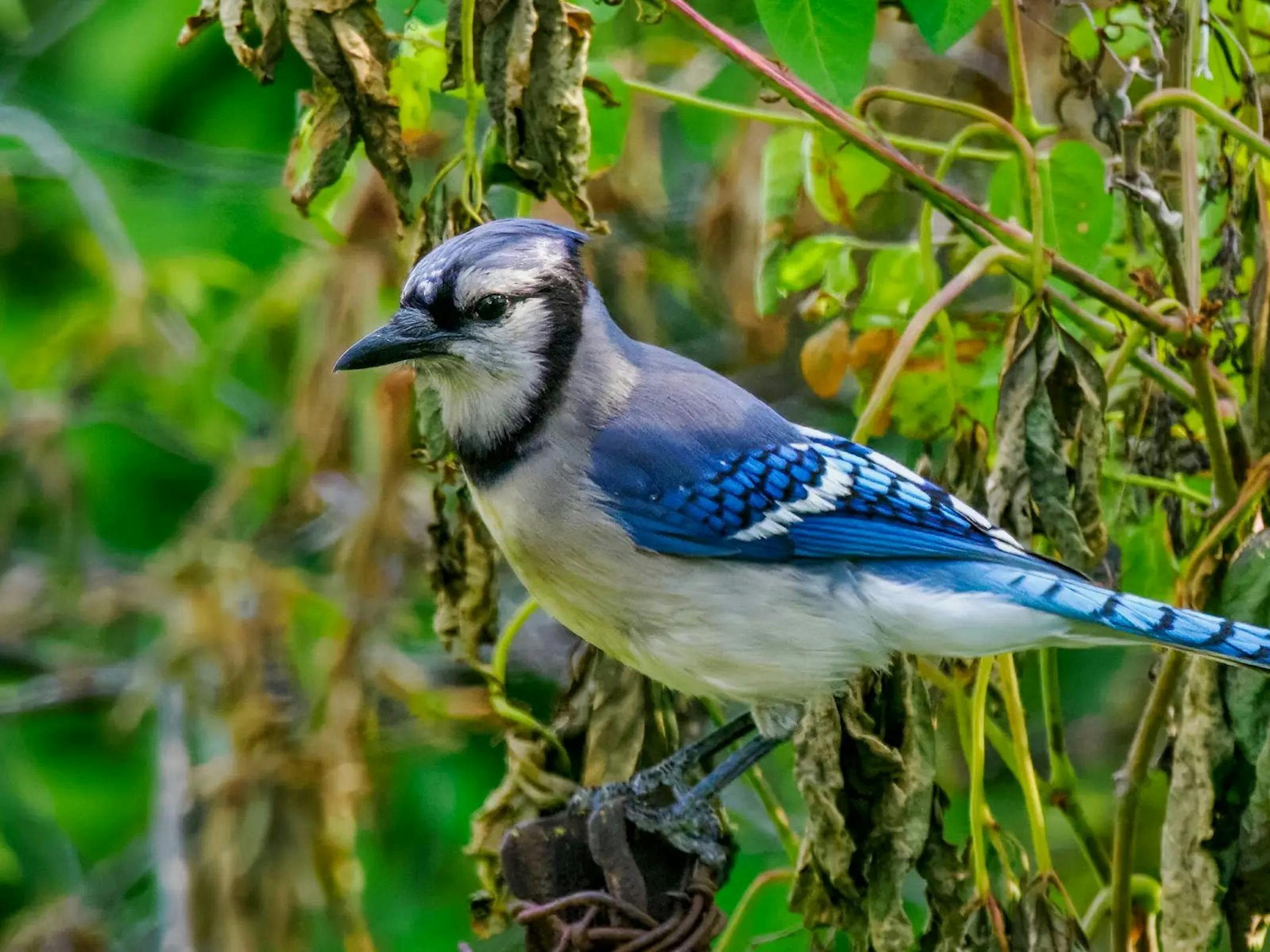
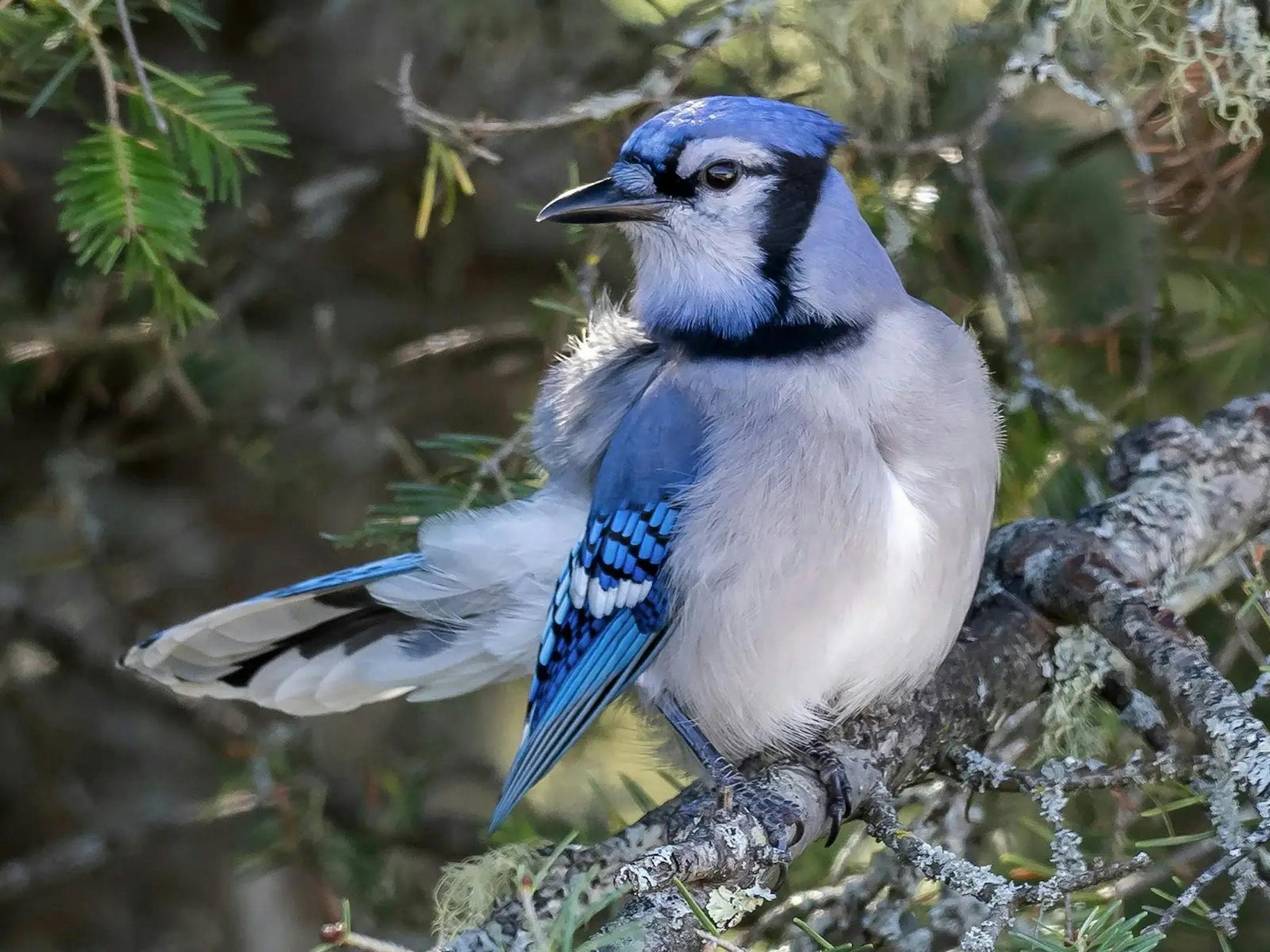
Q: I live on Park Point in Duluth and see large flocks of blue jays return in May each year. They hang around in noisy groups for two to three weeks, then disappear from the Point, without fail. I see them all the time in various parts of Duluth. There is plenty of food, water and nesting sites here, so no one I’ve talked to can figure out why they don’t stick around in the summer.
A: This is a fascinating head-scratcher, so I checked in with Laura Erickson, a bird expert who keeps a close eye on blue jays and lives in Duluth herself. She provided the answer:
“The problem with Park Point for nesting blue jays is that merlins also nest there. I’ve definitely seen blue jays on Park Point in summer, but they’re few and far between because they really do their best to avoid merlins, and Park Point has a lot of wide-open spaces between stands of trees, making it harder for jays to elude hawks and falcons. Blue jays are extremely partial to oak trees, so the neighborhoods rich in those see more nesting jays than anywhere else in town. They do nest near my yard in the Lakeside neighborhood, but not as abundantly as in neighborhoods where there are lots of oaks. Meanwhile, our spring and fall blue jay migrations are wonderful. A few overwinter, but not many in most years.”
So, Duluth’s jays have figured out that it’s safer to build their nests away from Park Point to avoid speedy, agile bird-hunting falcons called merlins.
Weeds from seeds
Q: I’ve placed my bird feeder over a flower garden, which I think helps attract birds. But there’s weedy growth underneath the feeder from the seeds spilled by birds. I seem to recall that there’s a kind of birdseed that’s been treated to not sprout, do you have any suggestions?
A: I think your feeder location sounds ideal for birds, and it’s a shame that their spillage adds to your weeding chores. I talked to the manager of a local wild bird store, who advises that he’s not aware of any seed treated so it won’t germinate (this would probably involve heat, and this might change the nutritional value of the seed). He did have some good alternatives to suggest:
- Change to sunflower chips (sometimes called hearts) in your feeder. These lack hulls and won’t germinate if knocked to the ground.
- Or install a tray underneath the feeder to catch seed before it falls to the ground.;
- And make a vow to regularly sweep and rake up the mess under the feeder to remove fallen seed or shells.
Sunflower chips are the shelled version of black oiler sunflower seeds, favored by a high number of bird species, so your backyard birds should gravitate to this food.
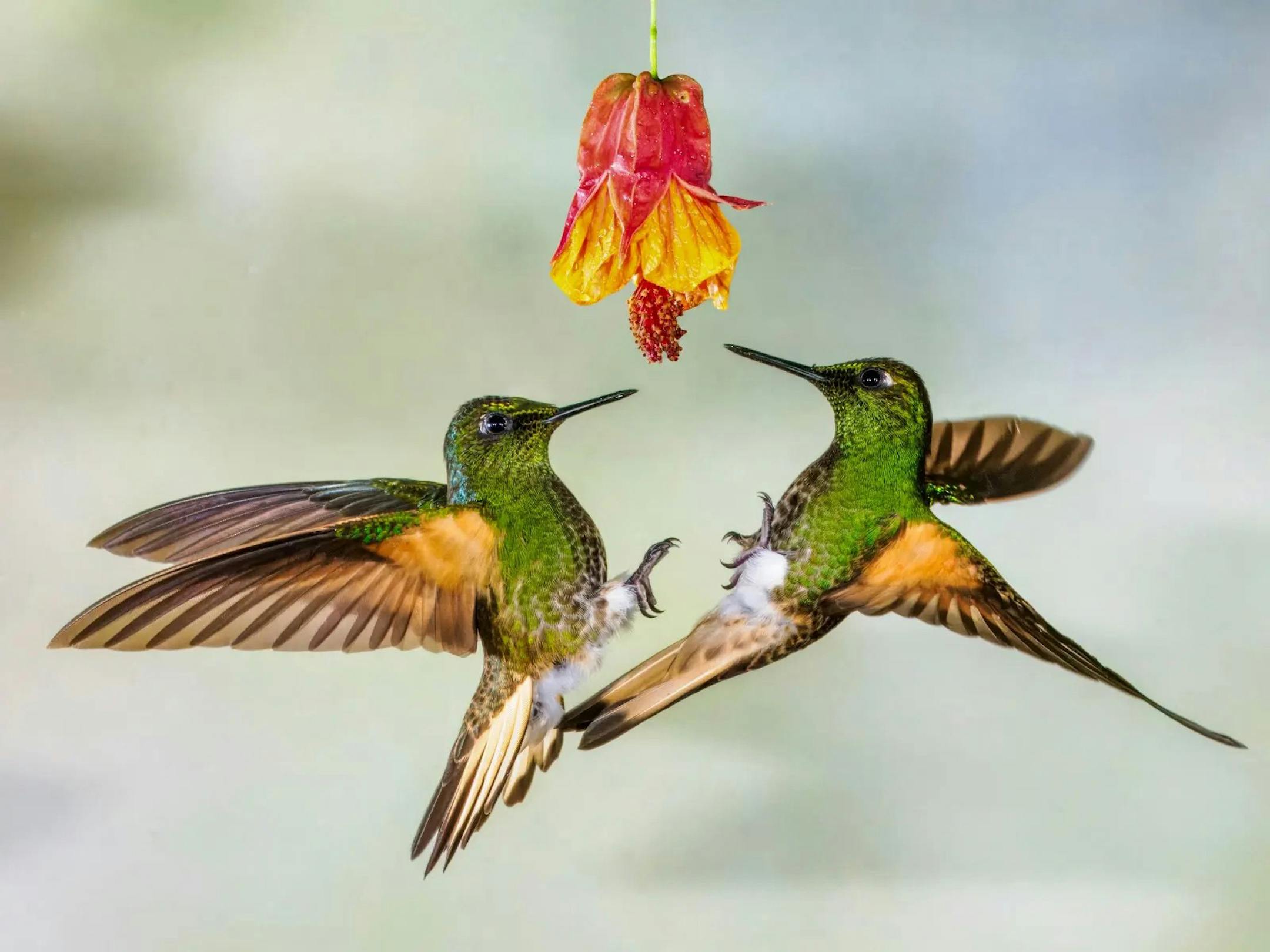
Sparring hummingbirds
Q: In the summer I have hummingbird visitors many times a day but usually only one at a time. If a second bird shows up, the usual result is conflict. However, nature shows portray many hummingbirds sharing a feeder. I’m wondering what contributes to the conflict, is it size of space, gender, time of year?