Brown: It’s Christmastime, which means it’s time to count birds

The Audubon Society’s annual wildlife survey is a big deal, and everyone’s welcome.

Columnist Icon
The Minnesota Star Tribune
December 18, 2025 at 11:00AM
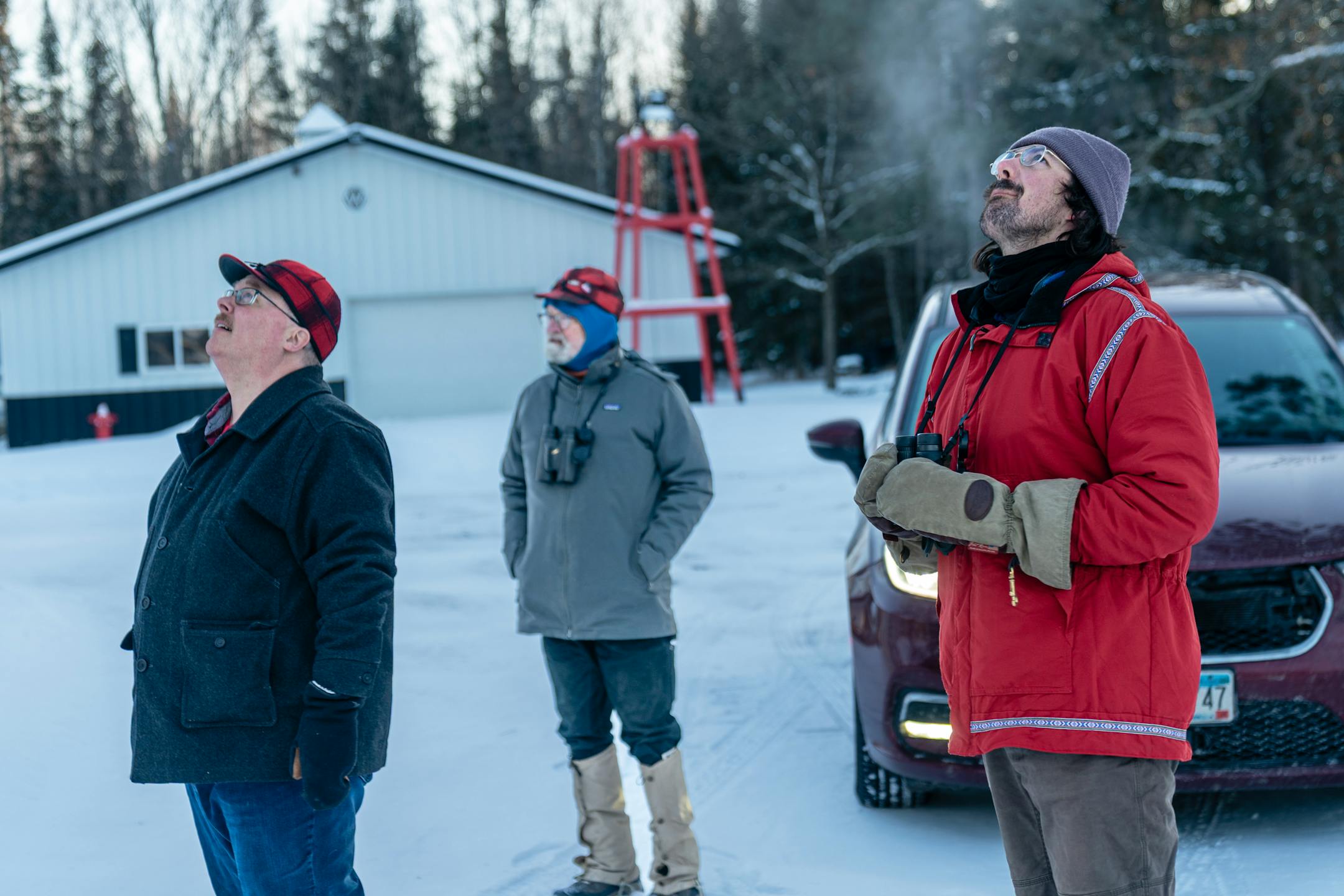
Aaron Brown, John Latimer and Malachy Koons look for birds on Dec. 14, 2025 during a stop on the annual Christmas Bird Count in Itasca County.
From left, Aaron Brown, John Latimer and Malachy Koons look for birds on Dec. 14 during a stop on the annual Christmas bird count in Itasca County. (Lorie Shaull/KAXE)

Opinion editor’s note: Strib Voices publishes a mix of commentary online and in print each day. To contribute, click here.

•••

Have you started noticing birds? Are you secretly jealous of a friend’s bird camera? Do bird calls cause you to shush your friends and family?

As millennials enter midlife, many face one of the most insidious hazards of aging: Sudden Onset Birding, or SOB.

I suffered an attack of Sudden Onset Birding nine years ago when my nature-loving son got a bird feeder for Christmas. This led us to join our local Audubon Society Christmas Bird Count group in Grand Rapids, Minn., in 2017.

Naturally, I first went because my middle-school son needed a ride. But he left for college two years ago. Last Sunday, I tromped along a frozen river amid 25-below temperatures in the futile hope of seeing a rare duck.

After nine years of progression, my birding condition appears to be terminal. I treat it with more birds, and so can you.

The Audubon Christmas Bird Count is one of the longest-running wildlife surveys in the world. After more than 125 years, Audubon’s robust data documents important changes to bird populations, informing everything from forest management to environmental policies. That’s especially true in Minnesota.
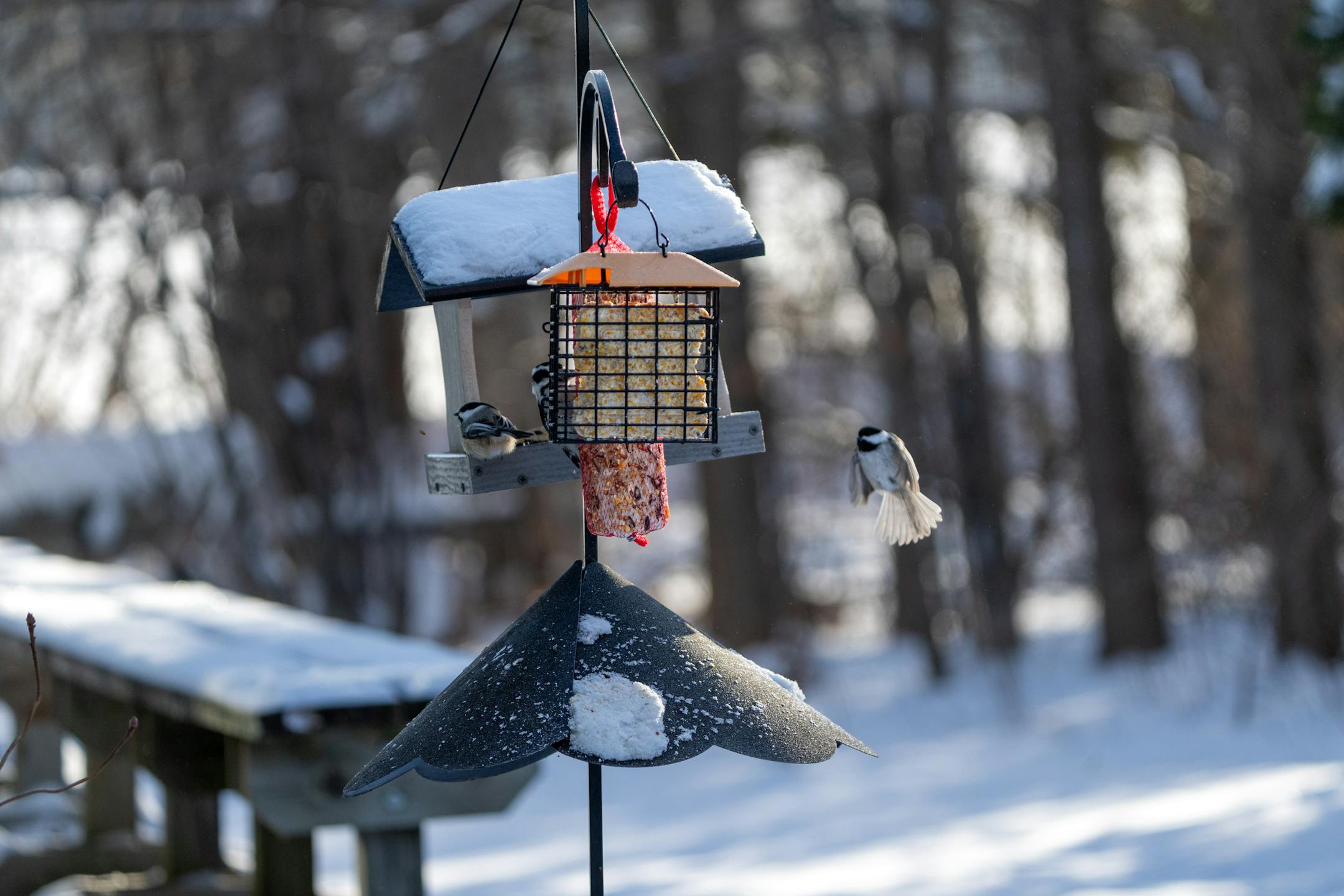
Black-capped Chickadees and a Downy Woodpecker visit bird feeders on Dec. 14, 2025.
Black-capped chickadees and a downy woodpecker visit bird feeders on Dec. 14. (Lorie Shaull/KAXE)

“We have a state wildlife action plan, and that action plan is heavily influenced by which birds’ populations are healthy and which are declining. And a lot of that information comes from the Christmas bird count,” said Dale Gentry, director of conservation for the Audubon Upper Mississippi River regional office in the Twin Cities.

Gentry said that Audubon data collected by volunteers every year helped reveal that North America lost 30% of its bird population since 1970. That’s about three billion fewer birds, mostly due to lost habitat. He said the data also show how climate change is altering the migration and breeding grounds of many bird species. For example, American robins are more apt to spend the winter in Minnesota than ever before.

Fifty years ago, bird data documented the terrifying decline of bald eagles and trumpeter swans. This inspired endangered status for those beloved species and stronger environmental policies. Then survey participants observed the triumphant recovery of eagles and swans over more recent decades. Here in Itasca County, I see these birds all the time, each one a majestic reminder that wrongs can be made right.

The Christmas bird count runs from Dec. 14 to Jan. 5 each year. By fixing the dates, bird behavior can be accurately compared year to year. Local volunteers schedule their count on one specific day within 15-mile circles located across North, Central and South America, the Caribbean and Pacific Islands.

You don’t need much to participate. A pair of binoculars help but aren’t required. A bird book to identify species will come in handy, or a bird identification app like Merlin. A camera helps record tricky or rare species.

There’s still time for you to join a nearby counting group. To find out when and where counts are happening, visit the Minnesota Ornithologists’ Union website at MOUMN.org. Many counting groups welcome newbies and will pair you with experienced survey participants.

That’s how I got started. As a rookie, I had the good fortune to be paired with one of our state’s great naturalists, John Latimer, host and producer of the public radio show Phenology on KAXE-Northern Community Radio. Latimer leads nature education programming shared in elementary classrooms across the state. He also became a mentor for my son, who is preparing for a career in forestry.

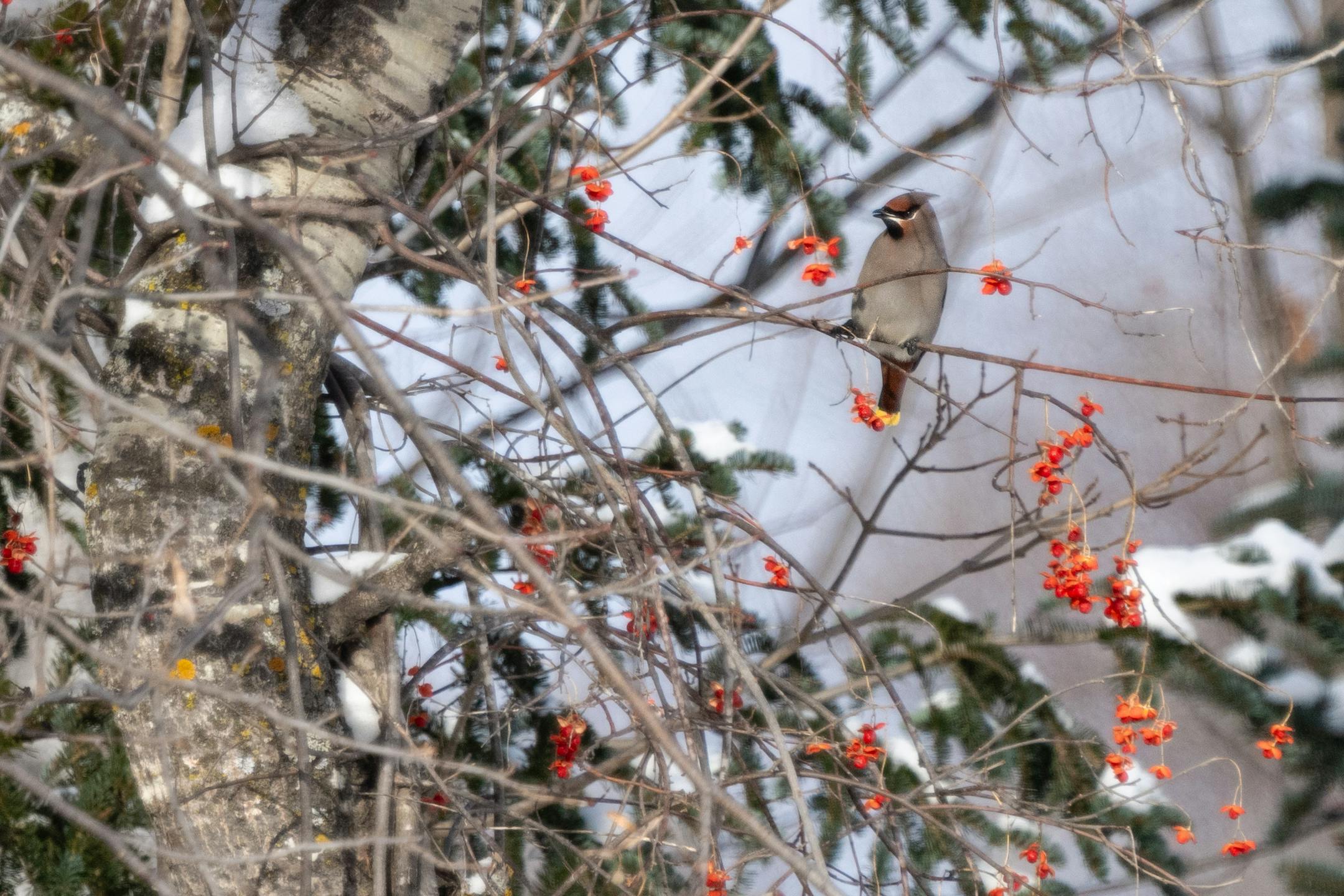
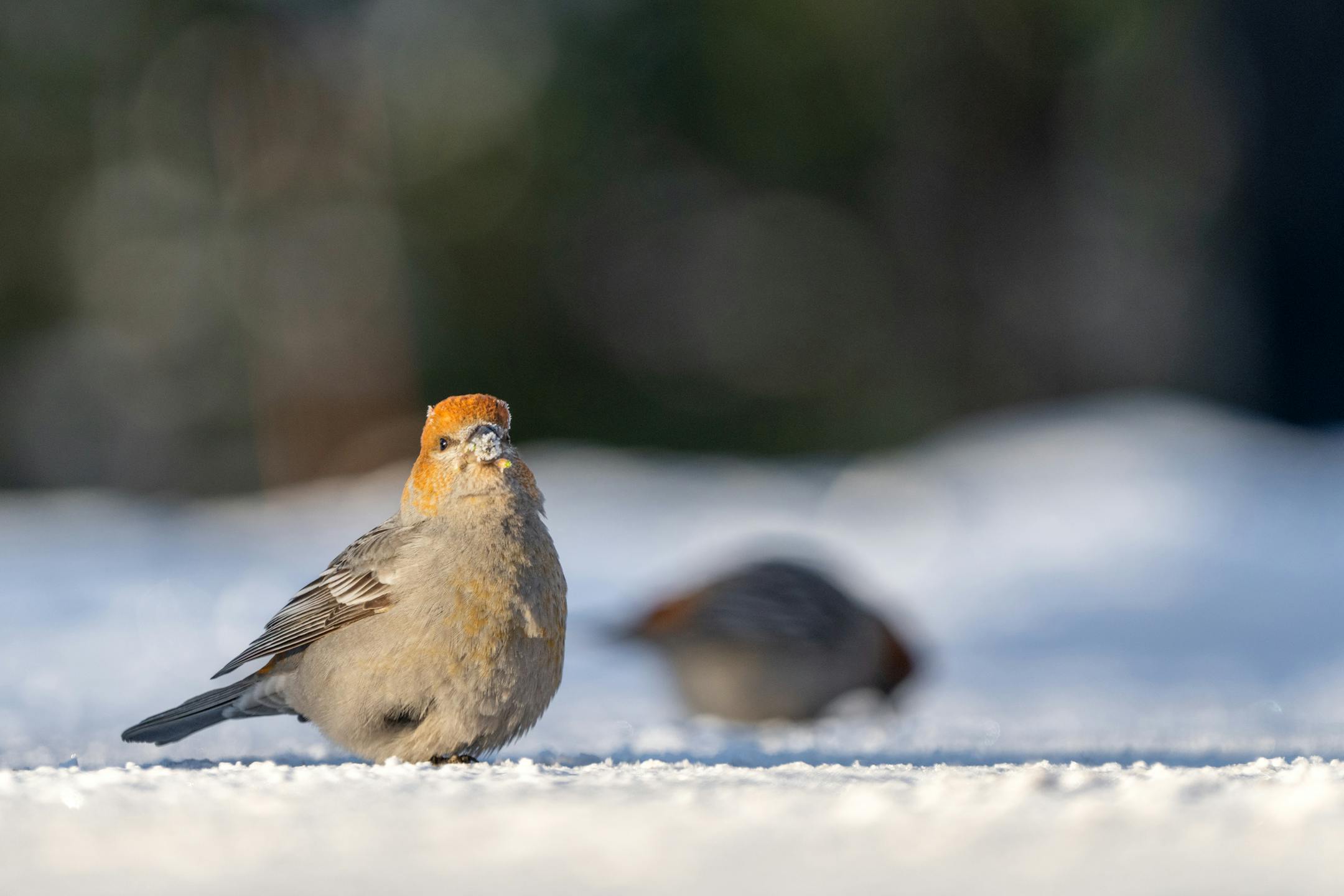
On Sunday, Latimer and I returned to this annual ritual, joining others to find birds near the Prairie River in Itasca County. We saw common woodpeckers, including the pileated, hairy, downy and red-bellied. A big flock of bohemian waxwings gathered in some American bittersweet near one intersection. Some pine grosbeaks sifted through road gravel for hidden treasures.

A Bohemian Waxwing perched in American bittersweet spotted on Dec. 14., 2025 during the annual Christmas Bird Count in Itasca County.
A bohemian waxwing perched in American bittersweet spotted during the bird count. (Lorie Shaull/KAXE)
Female Pine Grosbeaks look for food in the snow on Dec. 14, 2025 spotted during the annual Christmas Bird Count in Itasca County.
Female pine grosbeaks spotted during the bird count look for food. (Lorie Shaull/KAXE)

You might think the Audubon count is all about birds, but Gentry points out that it’s really more about people connecting over a shared interest.

“It’s the big one,” said Gentry. “We all get a little fidgety in April and May when we start thinking about migration and again in the late summer looking forward to the fall. But this is the biggest time of year when we all get together to go birding.”

Local groups often hold potlucks after the count to share stories and compare notes. The compiler adds the totals and sends the data to Audubon.

Gentry said after years of sharing the data with scientists, the organization is working on a new website that will allow the public to easily access regional and historical bird data. This site should become available in 2026.

But it all starts with people looking up. In the trees, along the prairies or even swimming in ice cold water, we may find inspiration in birds that survive Minnesota winters with a plucky spirit that embodies our state. Warning: The activity may become habit-forming.

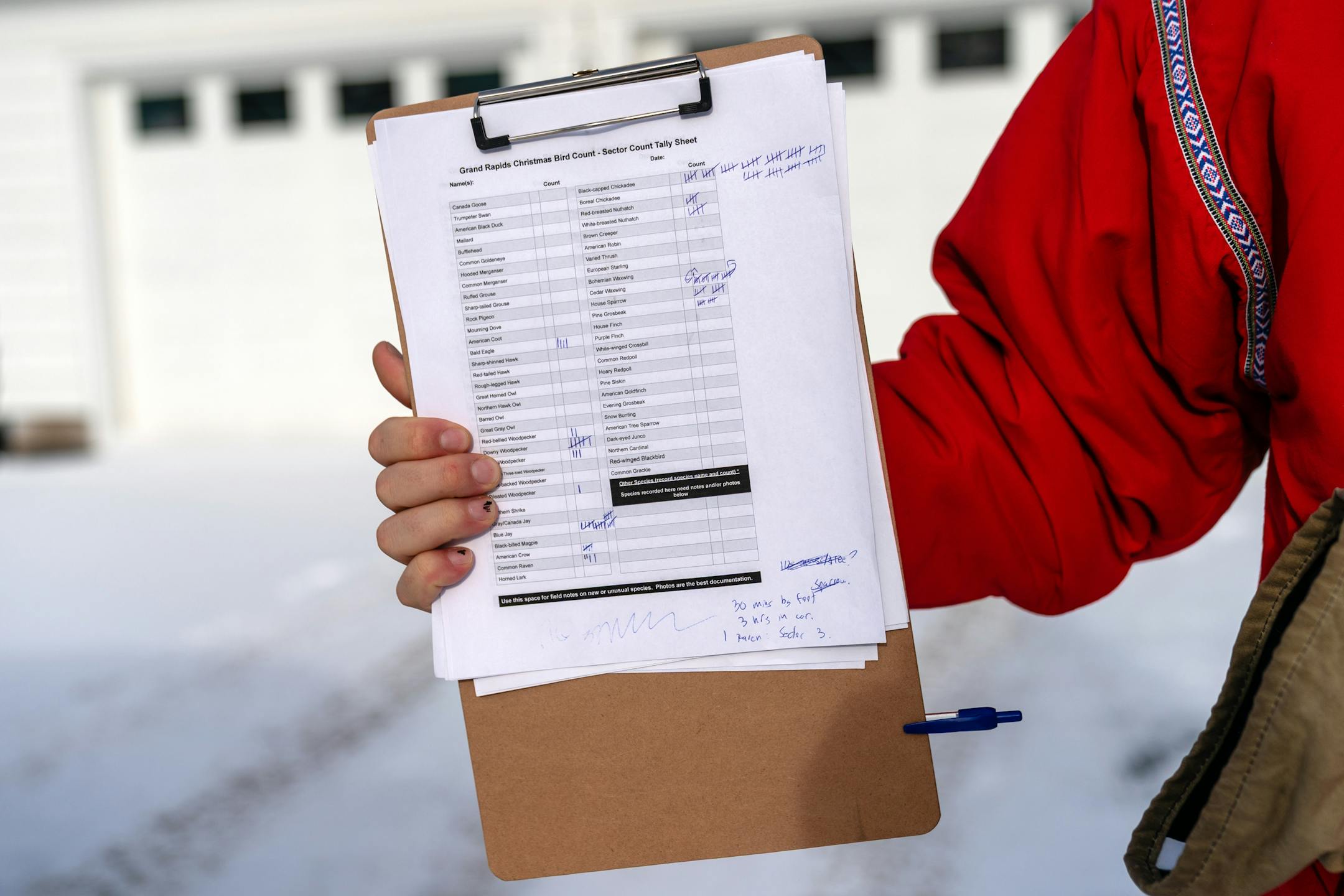
Malachy Koons holds the final tally sheet of birds spotted on Dec. 14, 2025 during the annual Christmas Bird Count in Itasca County.
Malachy Koons holds the final tally sheet of birds spotted Dec. 14 during the day's bird count. (Lorie Shaull/KAXE)
about the writer

about the writer

Aaron Brown

Editorial Columnist

Aaron Brown is a columnist for the Minnesota Star Tribune Editorial Board. He’s based on the Iron Range but focuses on the affairs of the entire state.

See Moreicon

More from Columnists

See More
card image
card image