Five books we can’t wait to read in November

Why are there two Twin Cities? Is that mountain lion a murderer? What was up in 1776? Next month’s books explore those mysteries.

Columnist Icon
The Minnesota Star Tribune
October 25, 2025 at 4:00PM
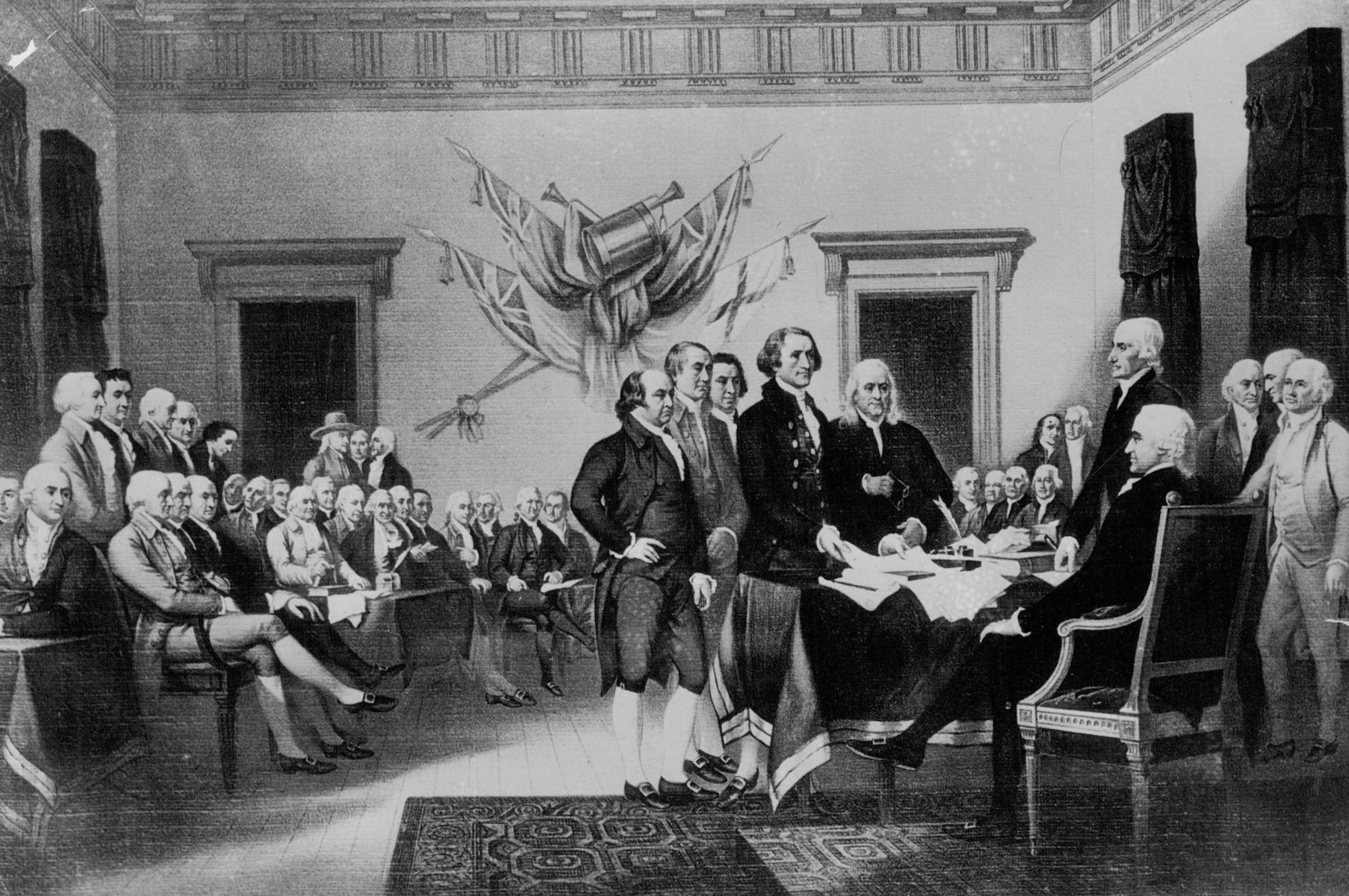
February 20, 1944 The Signers.... The signing of the Declaration of Independence, authored by Thomas Jefferson and slightly amended by John Adams and Benjamin Franklin, on July 4, 1776, is depicted in this painting. ***** The signing of the declaration -- Plenty of sons of the old sod were on hand Signing the Declaration of Independence -- adopted by Continental Congress International News Photo June 28, 1963 July 4, 1966
The signing of the Declaration of Independence was the culmination of a volatile year, according to Pulitzer Prize winner Edward J. Larson's "Declaring Independence," to be released Nov. 11.

Bookstores and libraries will undergo big changes next month.

There are always new books hitting shelves, of course, but the first couple weeks of November are unusually jammed with big-name authors such as Patti Smith (the “Just Kids” writer has another memoir, “Bread of Angels”), Nate Berkus (the designer, who grew up in Hopkins, wrote “Foundations,” about making a home) and, inevitably, Taylor Swift (she’s not the author of “Swifterature,” actually, but Elly McCausland’s book is about the relationship between Swift’s lyrics and literature).

You can look for reviews of the latest from Stewart O’Nan (“Evensong”), Simon Winchester (“The Breath of the Gods”) and many others in the Minnesota Star Tribune next month. But here are five more November books we have our eye on:
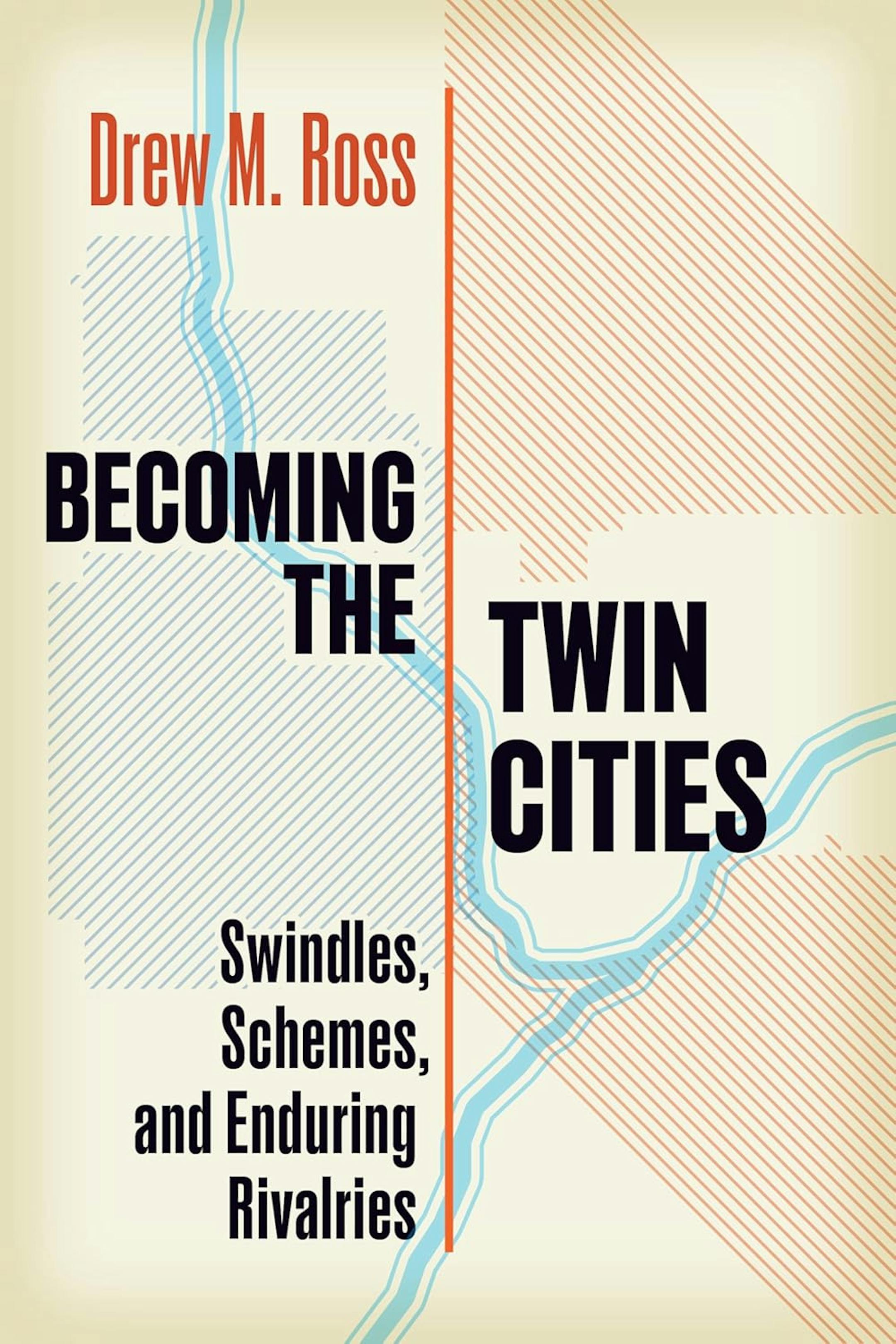
cover of Becoming the Twin Cities features the title superimposed on a map
Becoming the Twin Cities (MN Historical Soc.)

Becoming the Twin Cities, Drew M. Ross

It’s the subtitle that makes this one tantalizing: “Swindles, Schemes and Enduring Rivalries.” And, no, it’s not set in the present day. St. Paul writer Ross takes readers back to the 1800s, when decisions were being made about, for instance, where to put the Capitol and State Fairgrounds. Bold-faced names such as Zebulon Pike and Archbishop John Ireland figure into the wheeling and dealing, which Ross argues gets at one of the most fundamental aspects of Minneapolis and St. Paul: why they’re not all one city. (Nov. 11)
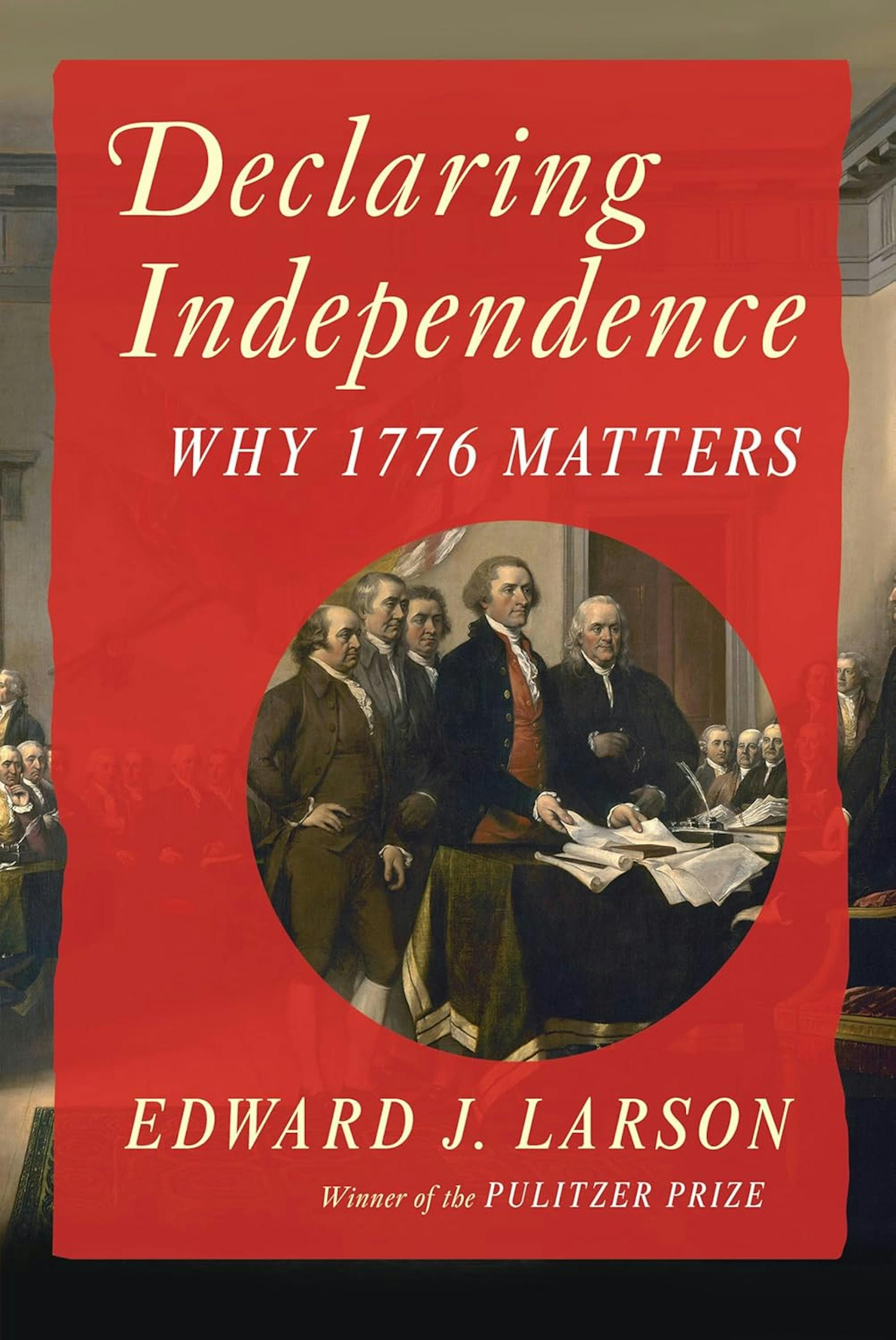
cover of Declaring Independence features an illustrating of the signing of the document
Declaring Independence (Norton)

Declaring Independence, Edward J. Larson

Get ready for a million books about 1776, in anticipation of our country’s 250th birthday next year. This one, from a Pulitzer Prize winner (for his brilliant book about the Scopes monkey trial, “Summer for the Gods”), focuses narrowly on that pivotal year. Larson traces the events that took the Founding Fathers from barely thinking about the idea of independence in January to declaring it just a few months later. Subtitled “Why 1776 Matters,” the book also argues that July wasn’t an open-and-shut declaration, with the following months producing lots of colonial handwringing. (Nov. 11)
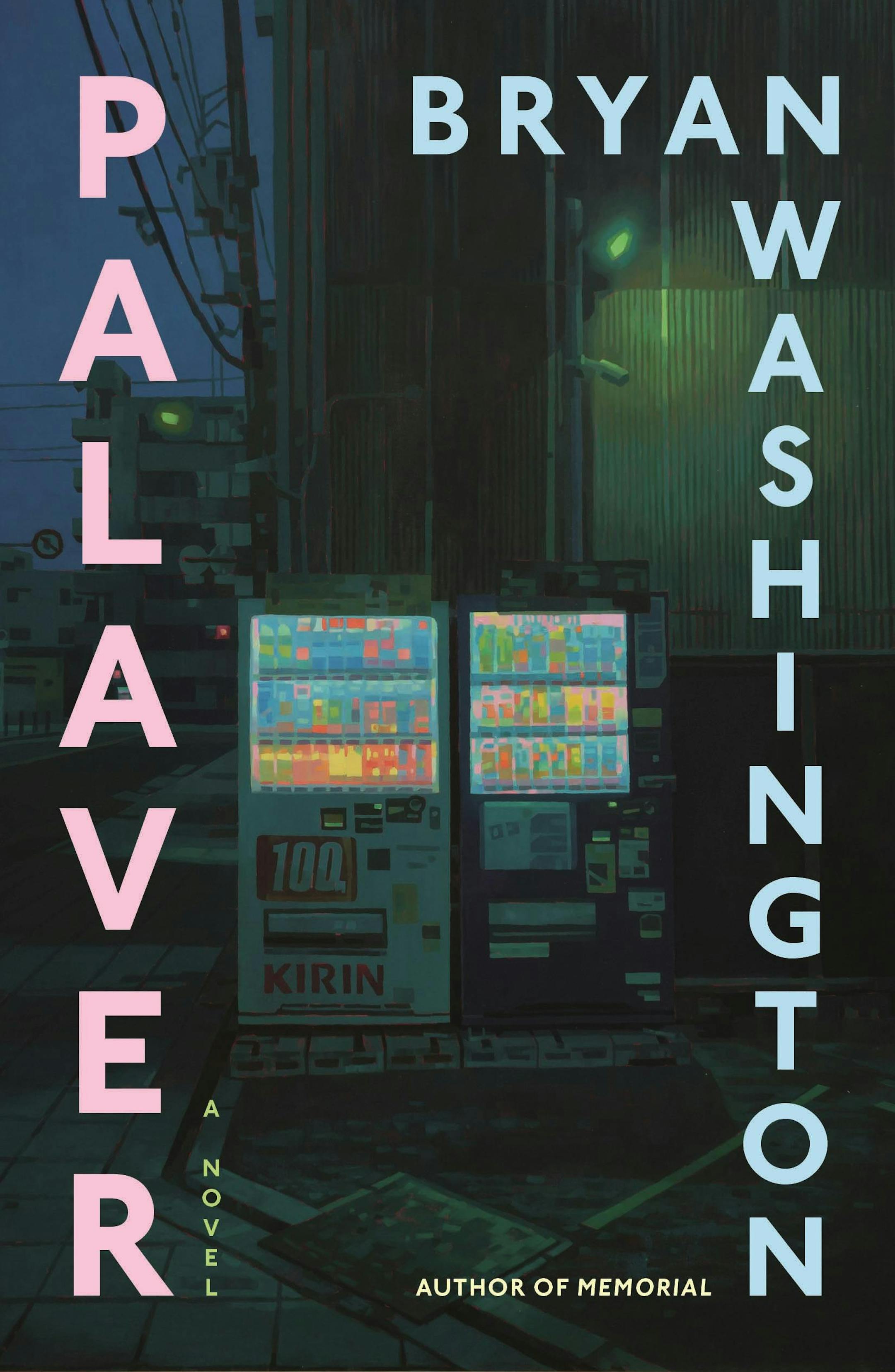
cover of Palaver is an Edward Hopper-ish painting of a deserted Tokyo street at night
Palaver (Farrar, Straus & Giroux)

Palaver, Bryan Washington

As in his bestselling novel “Memorial,” mothers, sons and Japan preoccupy Washington in his latest, which is about how sometimes you have to leave home to get a handle on what it is. A gay man and his estranged mom, originally from Texas, both end up in Tokyo and both fall in love there (with different men, fortunately). The fourth book from the 32-year-old Washington, who also has written about food for the New York Times, “Palaver” already has been longlisted for the National Book Award. (Nov. 4)

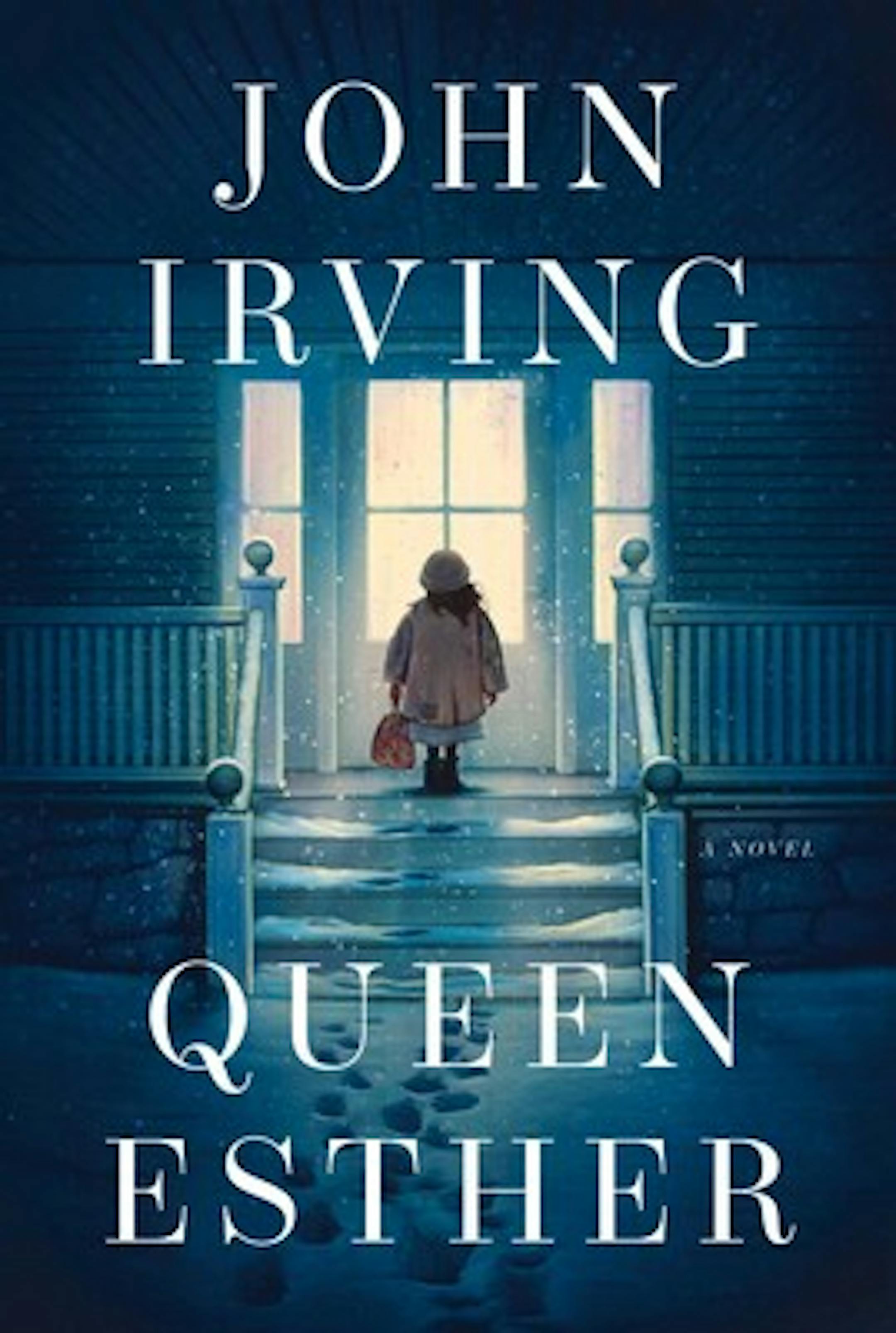
cover of Queen Esther is a painting of snow-covered porch, with a small child waiting at the front door, her back to the reader
Queen Esther (Simon & Schuster)

Queen Esther, John Irving

There was a time when a new title from the author of the National Book Award-winning “The World According to Garp” would have been huge news but a few wan titles in a row may have lowered his stock. (Remember “The Last Chairlift” from 2022? Exactly.) Perhaps a sequel can restore some of his luster? “Queen Esther” brings back Dr. Wilbur Larch and St. Cloud’s Orphanage, both featured in “The Cider House Rules,” which was not only a bestseller but also won Irving an Oscar for writing the 1999 movie adaptation. “Queen Esther” refers to a Jewish girl, fleeing antisemitism, who grows up at the orphanage; the novel traces her life into her eighth decade. (Nov. 4)

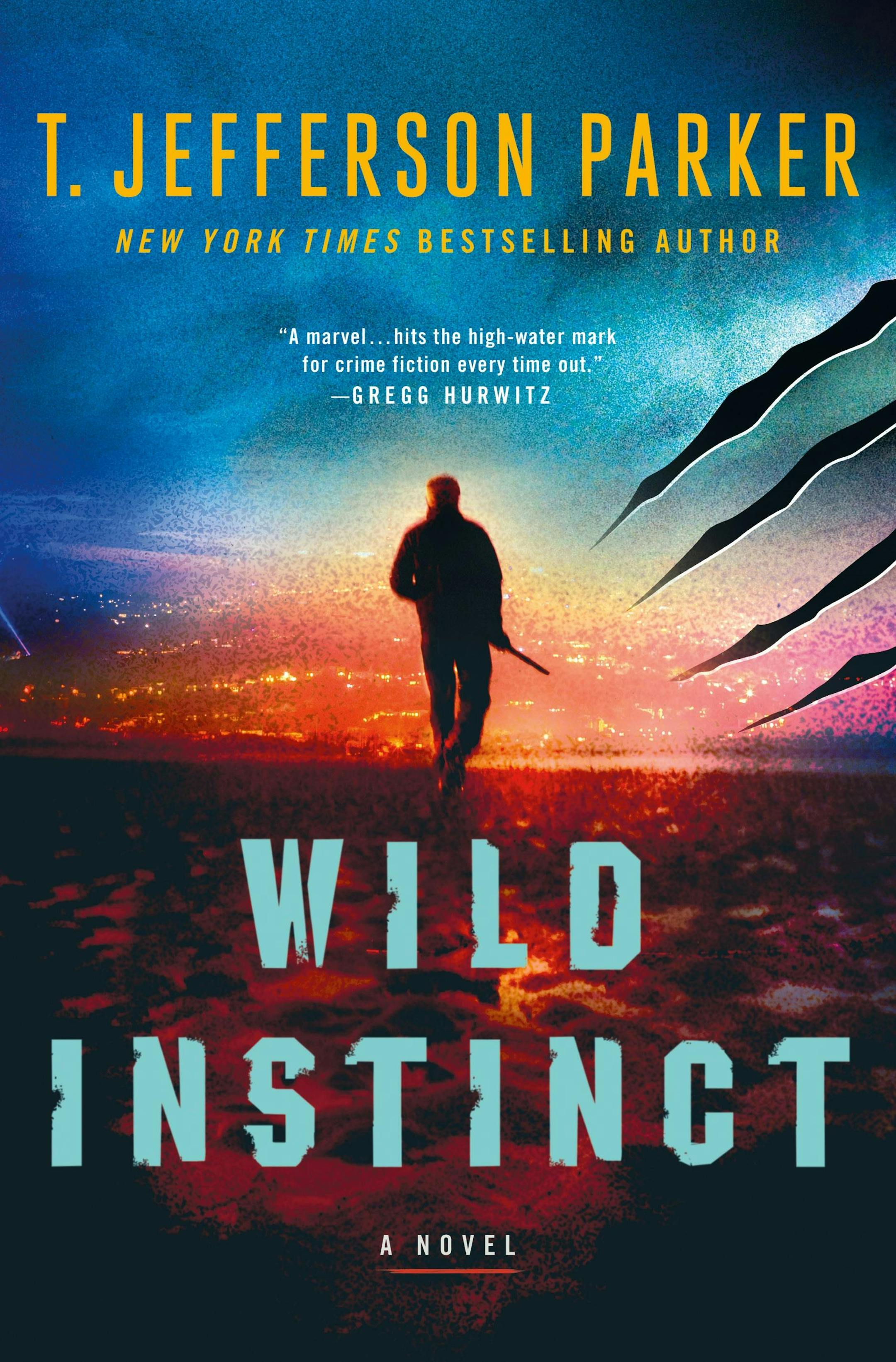
cover of Wild Instinct features a painting of a man walking with a rifle
Wild Instinct (Minotaur)

Wild Instinct, T. Jefferson Parker

His trophy case boasts three Edgar Awards, the Oscars of mystery writing, but somehow Parker doesn’t have the profile that peers such as Michael Connelly do. That may be because most of his books are stand-alone titles, rather than series with recurring characters (although I’d highly recommend his quartet of books featuring grizzled private investigator Roland Ford, starting with “The Room of White Fire”). “Wild Instinct” starts out with an upsetting bit of news: A wealthy California businessman has been mauled and killed by a mountain lion. Then, the detective hired to vaporize the homicidal mountain lion discovers the animal is getting a bum rap — the businessman had been murdered before the mauling began. (Nov. 11)

about the writer

about the writer

Chris Hewitt

Critic / Editor

Interim books editor Chris Hewitt previously worked at the Pioneer Press in St. Paul, where he wrote about movies and theater.

See Moreicon

More from Books

See More
photo of author Matthew Pearl
Bachi Frost/Harper

Matthew Pearl’s literary satire features a novelist who’s out of touch with his humanity.

card image