Anoka County had a plan for more than $6 million in transportation funds: Improved trails in Columbia Heights, an underpass at a dangerous crossing in St. Francis and park upgrades in Andover and Coon Rapids.
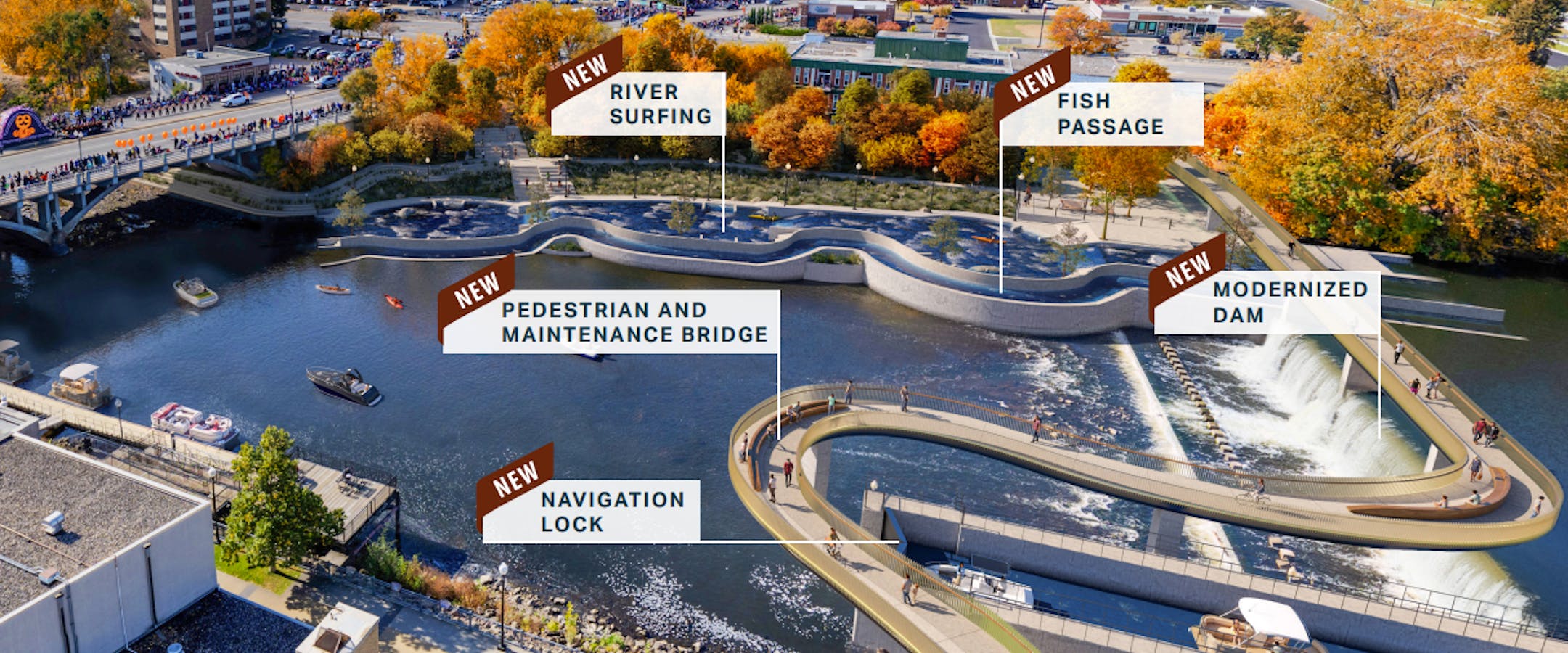
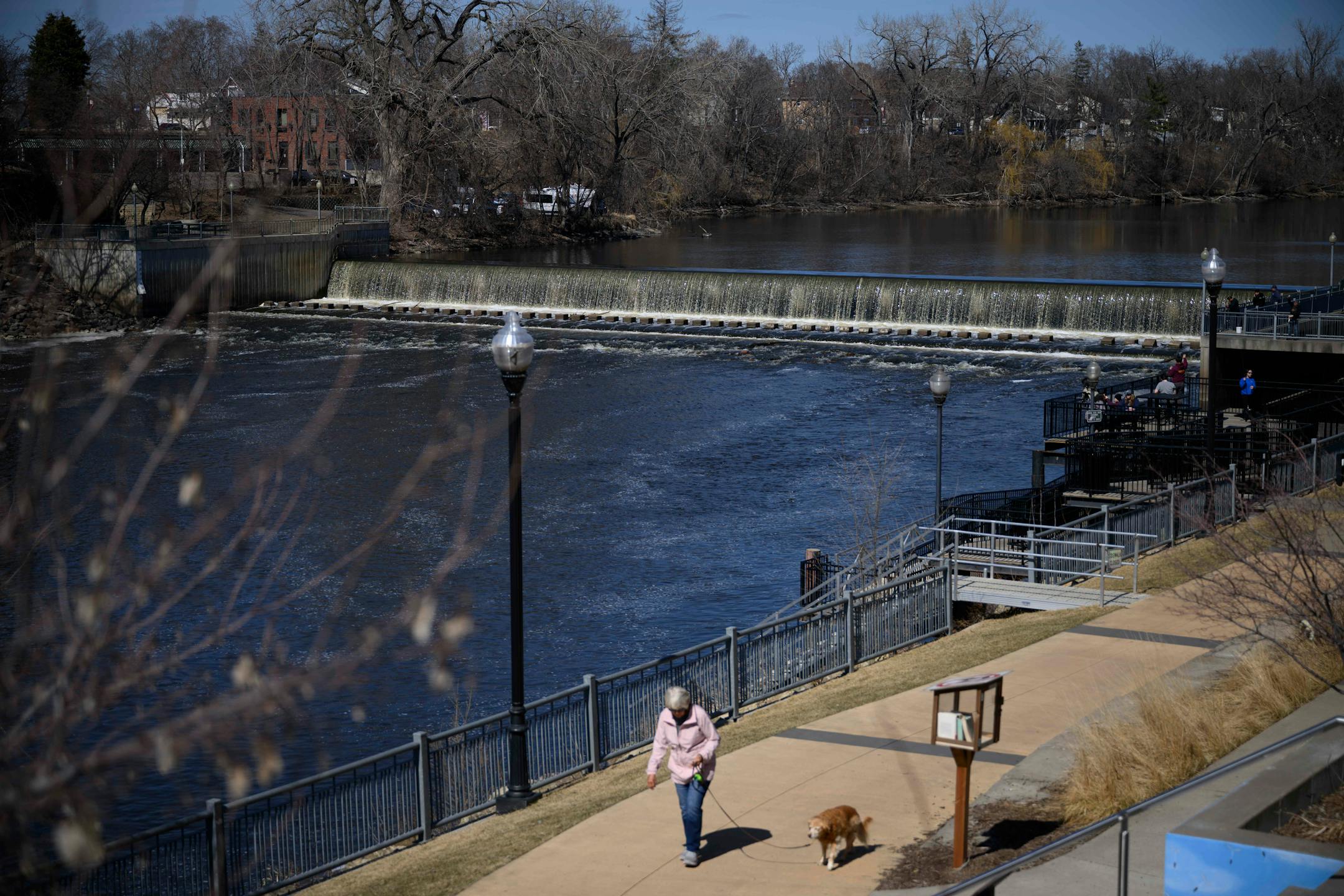
Instead, the money is going toward the construction of a pedestrian bridge over the Rum River in the city of Anoka, as part of a project county officials call a “dubious boondoggle” of a plan to bring white-water surfing to the river there.
Now, Anoka County is suing the state, accusing state Rep. Zack Stephenson, newly elected House DFL leader from Coon Rapids, of “misusing the legislative process to finance his own pet project” in his district. Anoka County’s lawsuit against the Minnesota Department of Transportation argues the state’s Constitution does not allow the Legislature to divert funds allocated to a county without its approval.
“One legislator’s desire to build a third pedestrian bridge within a quarter mile of two other existing pedestrian bridges should not trump Anoka County’s ability to fund essential parks and transportation projects for the benefit of the entire county,” the complaint reads.
Stephenson, whose district includes Anoka, declined to comment on the lawsuit, which mentions him several times but does not name him as a defendant. But on the House floor during the June special session where they took up the bill that included the funding, Stephenson defended it after Republican Rep. Harry Niska of Anoka unsuccessfully pushed to remove the Rum River allocation.
Stephenson said there was nothing “nefarious” about the bill and that the project received vetting in a committee and was approved as part of the House transportation budget with bipartisan support. He said only the funding source changed as other dollars were unavailable.
The legislation included in the final transportation bill directs MnDOT to divert $6.2 million of Anoka County’s transportation funds to build the Rum River pedestrian overpass. The lawsuit, filed by Anoka County Attorney Brad Johnson late last month, seeks to prohibit MnDOT from allocating the money without the county’s approval.
A spokesperson with MnDOT declined to comment on ongoing litigation.