Minnesota’s North Woods are being sold to the state’s timber products industry, and deer and deer hunters will pay the price with lower populations and lower harvests for years to come.
Ruffed grouse populations also are at risk, as are less visible forest species such as fishers and martens, woodpeckers and songbirds.
The culprit? Minnesota Department of Natural Resources forest management policies that allow too much aspen and other tree species to be cut too early.
“And I don’t see a lot of hope that things will improve, unless the public and the Legislature get involved,” said Tim Quincer.
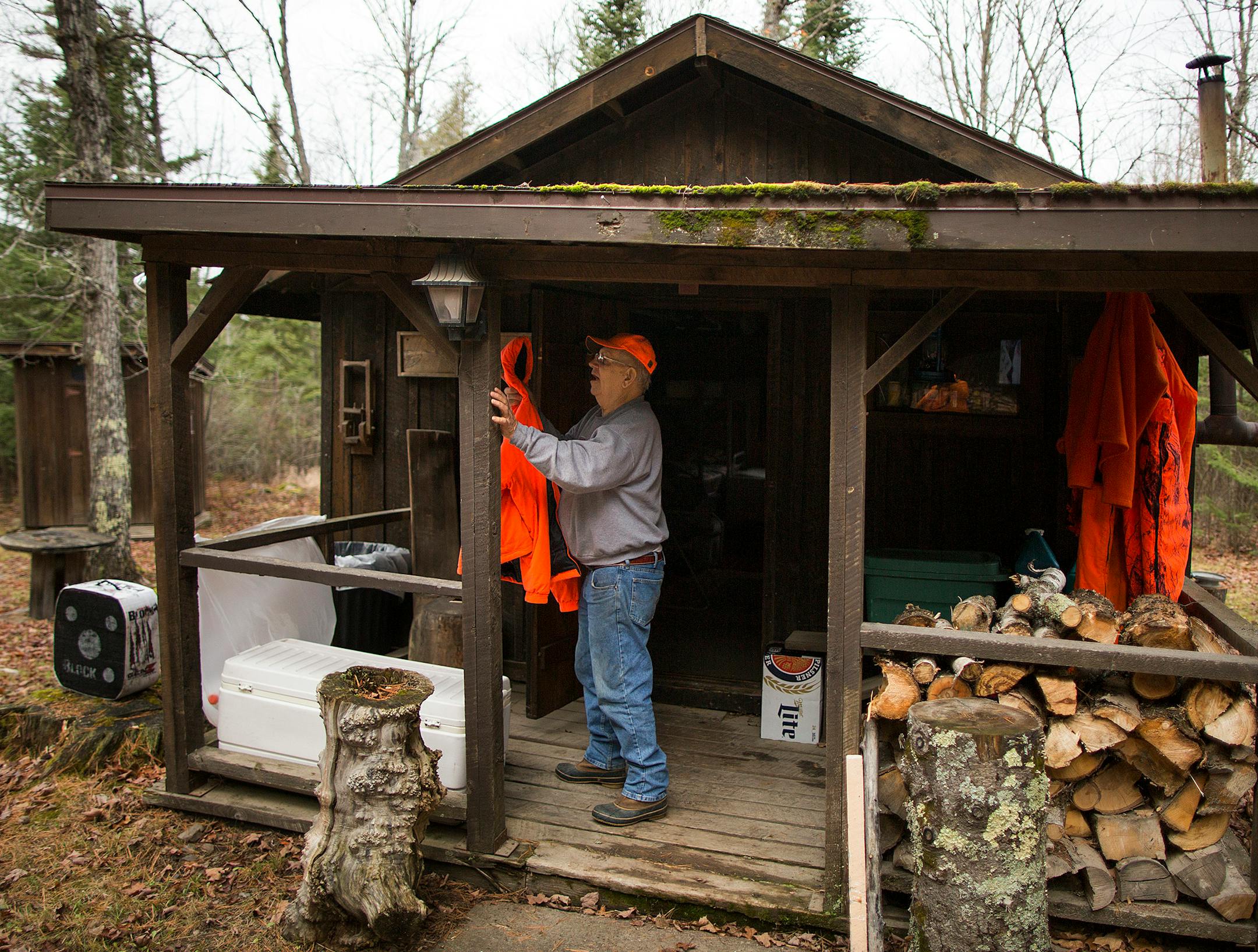
Quincer retired from his job as a DNR forest wildlife manager in September. He has a degree in wildlife management and has hunted deer and grouse his whole life. He’s speaking out because he believes his former employer is satisfying the wood products industry at the expense of the state’s forests and forest wildlife.
A primary problem with Minnesota forest management, Quincer said, is that loggers are allowed to cut aspen in 40-year rotations, whereas significant wildlife benefits don’t begin for 60 years or longer.
That’s when understories of spruce, fir and white cedar take hold in aspen stands, which benefit deer and other forest wildlife.
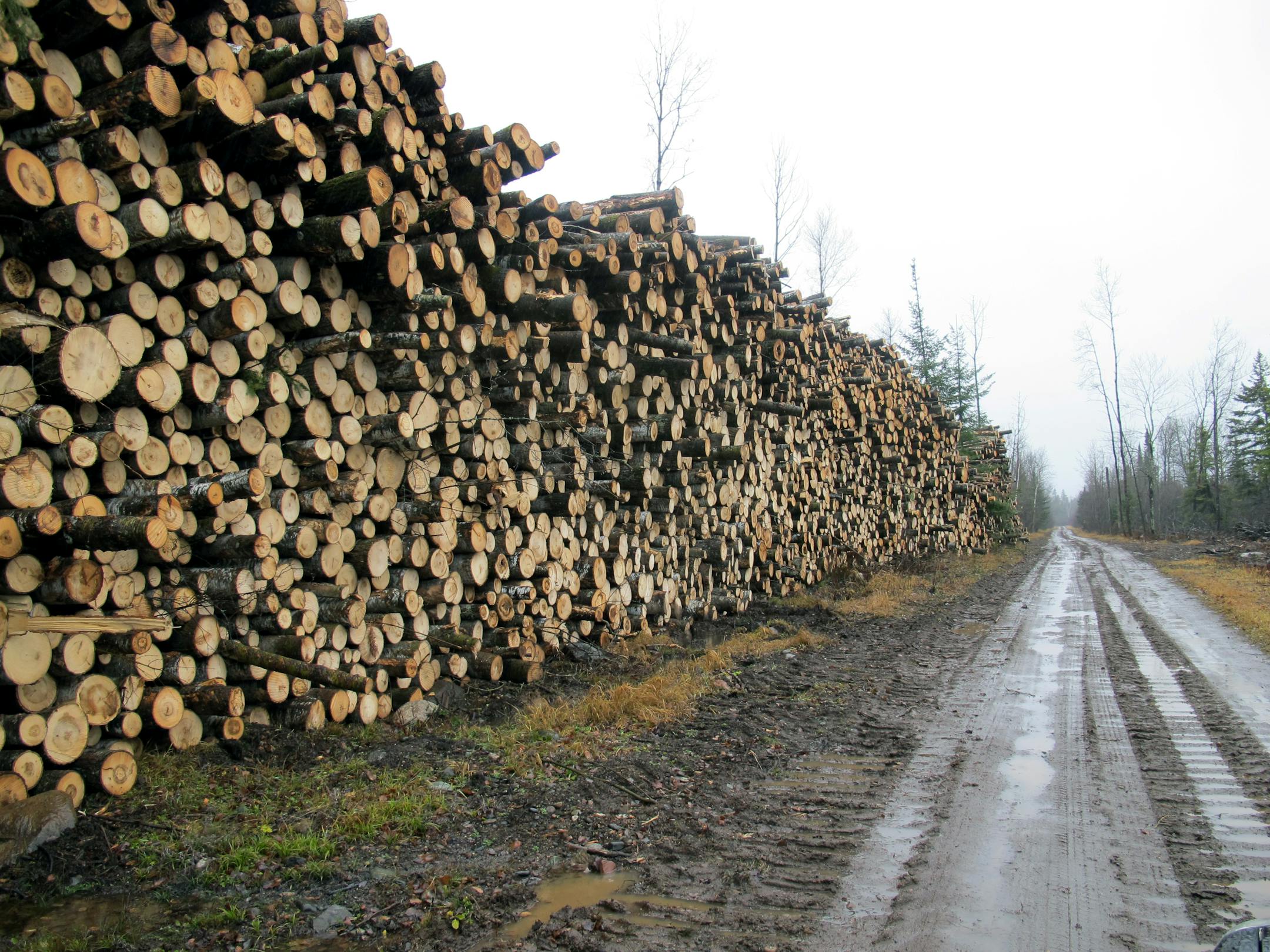
“Forestry management is complex,” Quincer said. “But some hunters are starting to take notice about what’s happening up north when they see a 200-acre clear-cut where they used to hunt.”