

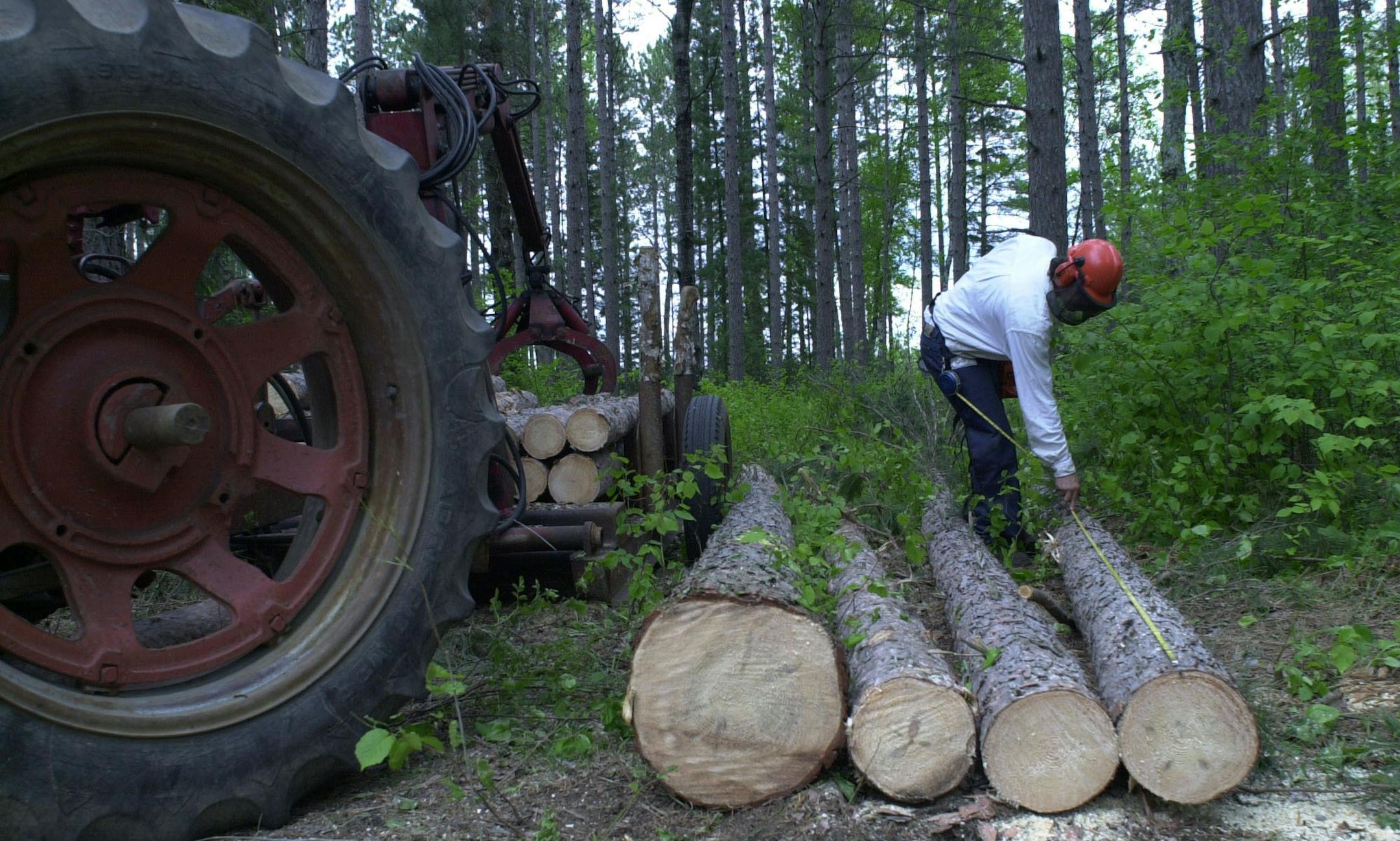
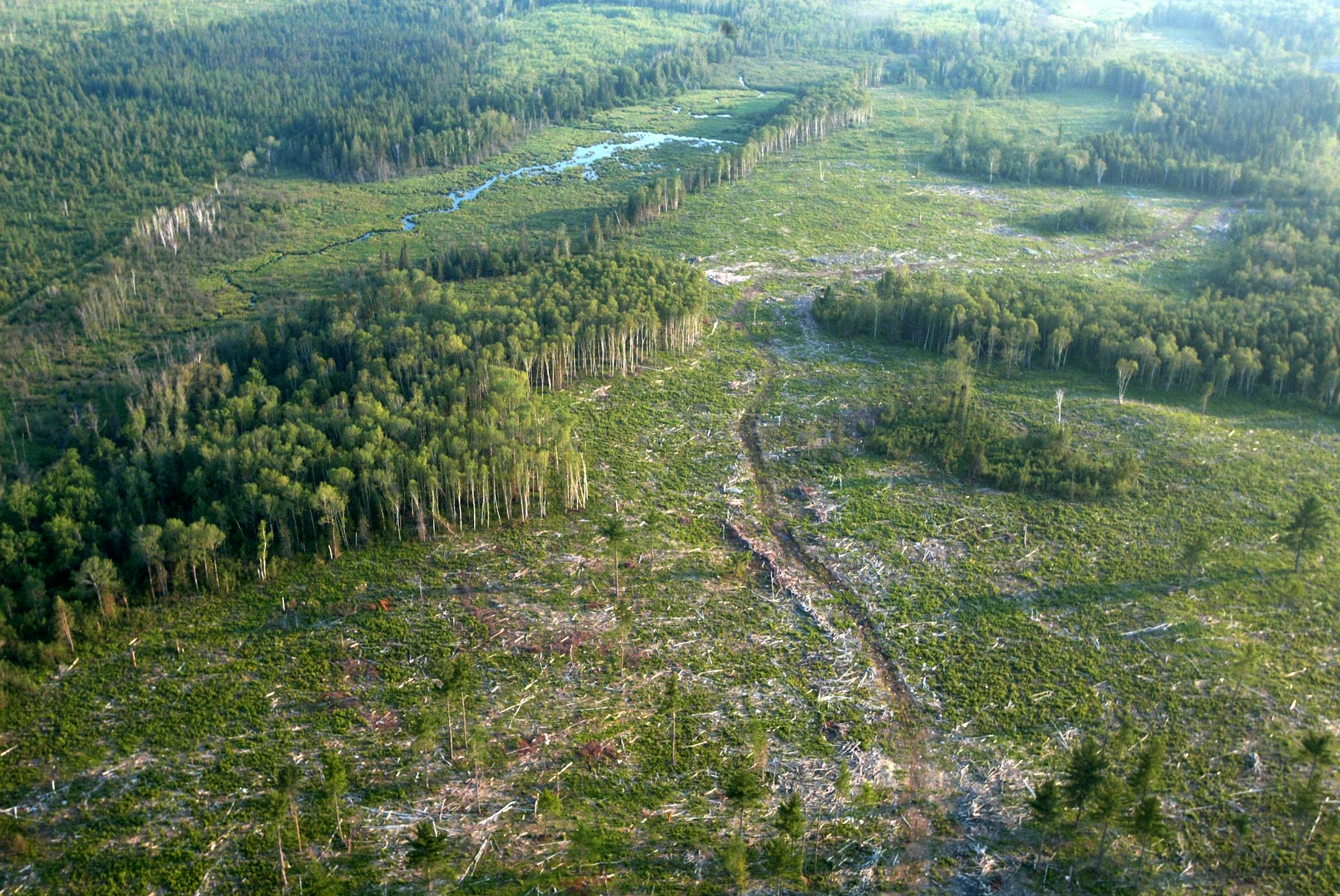
The Minnesota Department of Natural Resources cannot show that it’s protecting wildlife from harmful logging on public lands, six years after the concern was raised by the DNR’s own field staff, a state audit concluded.
The Office of the Legislative Auditor undertook a special review of DNR timber sales in 1.3 million acres of wildlife management areas (WMAs) across the state. The review found that a lack of plans, poor documentation and unclear guidance makes it uncertain – even today – whether the DNR is protecting wildlife habitat as required by law.
Deputy Legislative Auditor Katherine Theisen, who ran the special review, told legislators Tuesday at a hearing that the DNR has written only seven management plans for more than 1,500 WMAs. She noted that the agency waited more than 30 years to write an updated management plan for Red Lake WMA – the state’s largest.
“By law, DNR is authorized to harvest timber in WMAs only to protect, perpetuate, or re-establish habitat to produce wildlife, including for public hunting, fishing, trapping and similar outdoor recreational uses,’’ Theisen and Legislative Auditor Judy Randall wrote in the report.
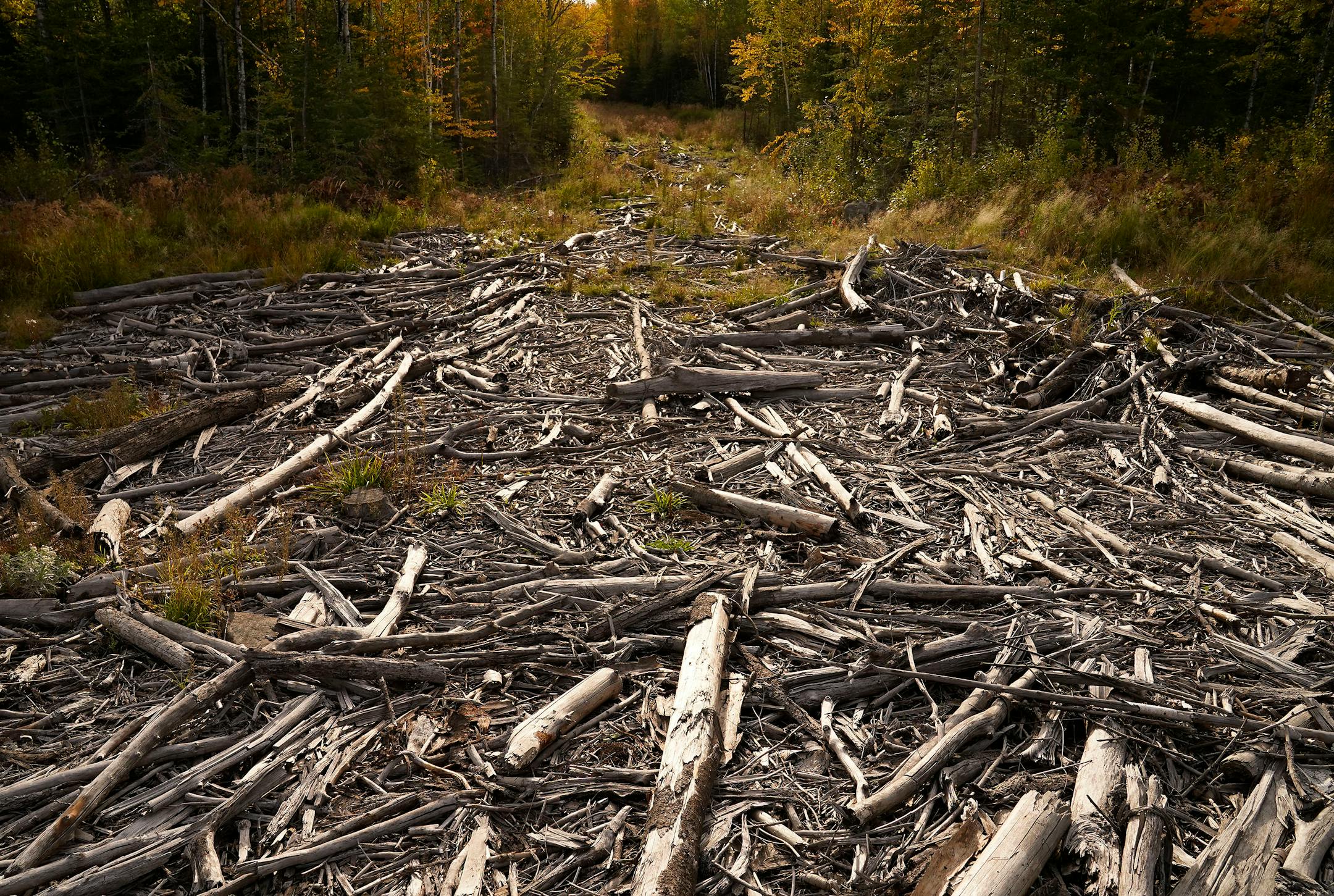
Without those plans or documentation, it’s not possible to know whether the DNR is following that law, Theisen said. The report recommends the Legislature step in to help fix the problem.
Putting timber up for sale is a legitimate way to manage wildlife landscapes, but DNR wildlife managers have been objecting for years that cordage demands from the Forestry Division have taken priority. In particular, wildlife managers have regretted the loss of older timber stands with special wildlife values.
Theisen said her office decided to investigate the DNR after the U.S. Fish and Wildlife Service in August 2023 prohibited timber sales from Minnesota wildlife management areas, temporarily suspended a multimillion-dollar grant to the state agency and delayed approval of another grant.
The rare federal sanctions against the DNR were lifted in December 2023 after an agreement was reached to improve clarity of grant conditions and to establish consistent documentation of grant activities.


![Attendees of Frostbike made their way through the convention Saturday at the Quality Bike Products campus in Minneapolis. ] (AARON LAVINSKY/STAR TRIBUNE) aaron.lavinsky@startribune.com Frostbike 2016 was held at the Quality Bike Products Campus on Saturday, Feb. 27, 2016 in Bloomington, Minn.](https://arc.stimg.co/startribunemedia/NH2BSHB74ND2V6GF2G2HI5X4MM.jpg?&w=252&ar=3:2&fit=crop)
