


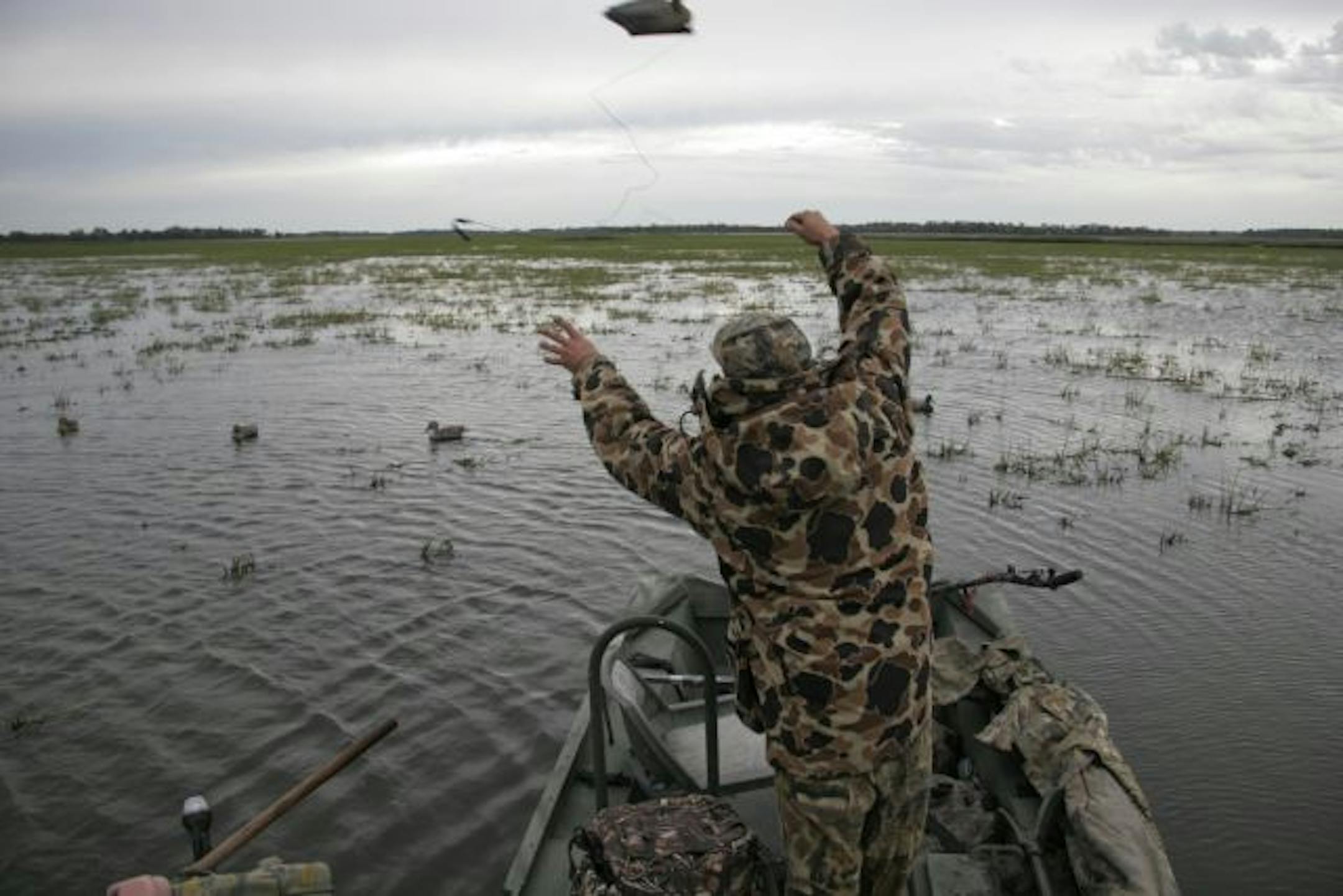
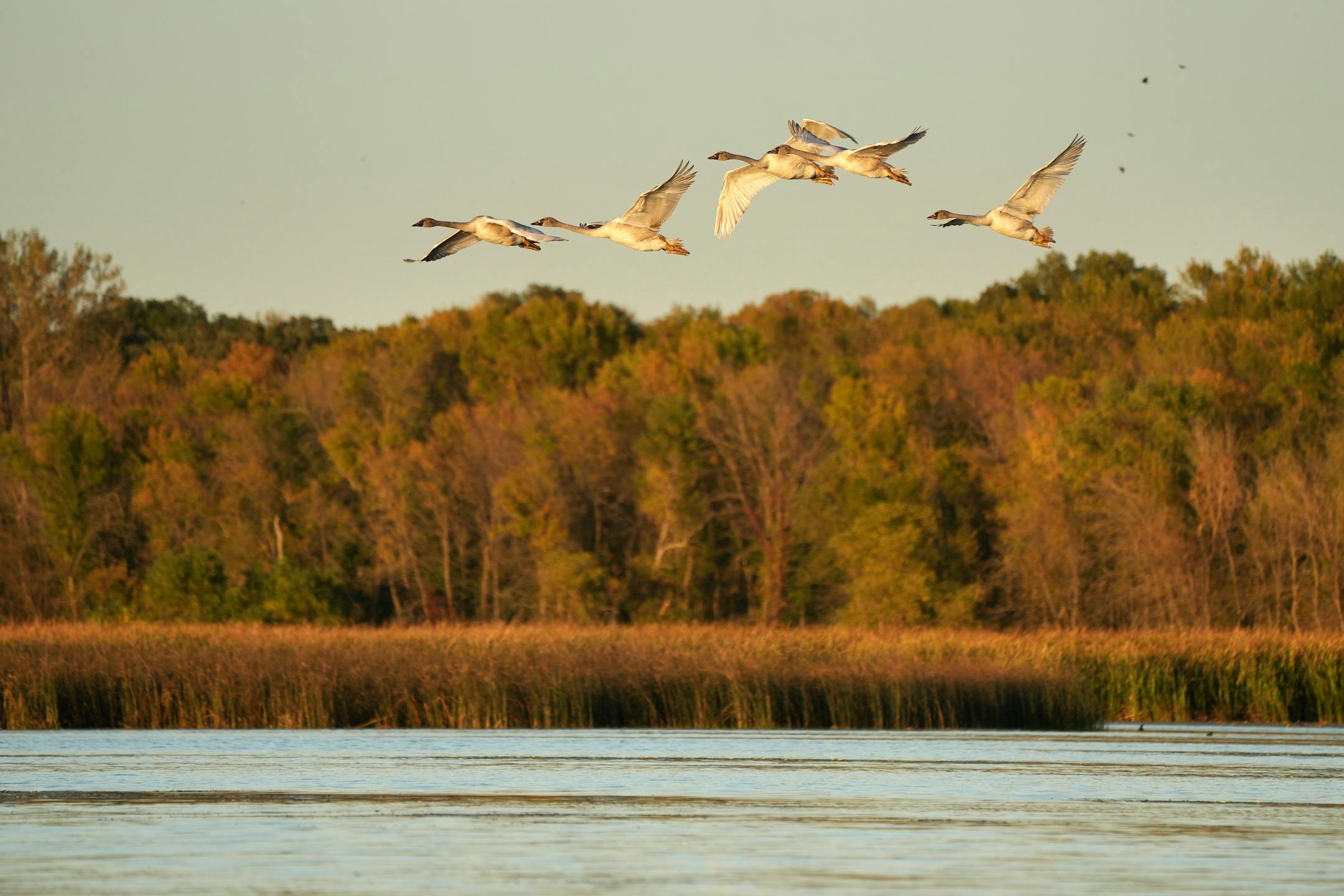
Minnesota waterfowlers will hold a Duck Summit March 27-28 in Nicollet — near the shores of venerable Swan Lake, which once was one of North America’s migratory bird meccas.
The planned gathering, long overdue, is born of the frustration of Minnesota duck hunters, who in autumn are tired of seeing mostly empty skies, but who know improvements are possible.
Improvements for ducks, yes.
And also for Minnesotans, the vast majority of whom can’t tell a pintail from a bluebill, but whose futures, like those of ducks, are tied to the prevalence of healthy landscapes that include functioning wetlands and vibrant shallow lakes.
Followers of this column will recall that on Aug. 29 I wrote that Minnesota’s status as the leader among states of waterfowl conservation demanded that a meeting be held to assess the status of ducks and the resources they — and we — need to survive.
It’s no coincidence that ducks have largely disappeared from the state’s landscape at the same time wells across southern and central Minnesota yield water that is undrinkable and many of our lakes harbor fish so toxic they can’t be eaten.
In nature all things are connected, as Aldo Leopold reminded us, and it remains a mystery to duck hunters that so many Minnesotans fail to appreciate just how far we’ve allowed our water and soil, both of which we depend on for life, to degrade.
Cynics will argue duck hunters’ concerns aren’t quite so lofty; that their primary worry is the relatively few mallards and other fowl they’ve killed in recent years.


![Attendees of Frostbike made their way through the convention Saturday at the Quality Bike Products campus in Minneapolis. ] (AARON LAVINSKY/STAR TRIBUNE) aaron.lavinsky@startribune.com Frostbike 2016 was held at the Quality Bike Products Campus on Saturday, Feb. 27, 2016 in Bloomington, Minn.](https://arc.stimg.co/startribunemedia/NH2BSHB74ND2V6GF2G2HI5X4MM.jpg?&w=252&ar=3:2&fit=crop)
