
Anderson: It’s time for a duck summit, and the DNR should lead it

Falling mallard and other duck populations, and declining hunter numbers, point to a crisis

Columnist Icon
The Minnesota Star Tribune
August 29, 2025 at 8:29PM
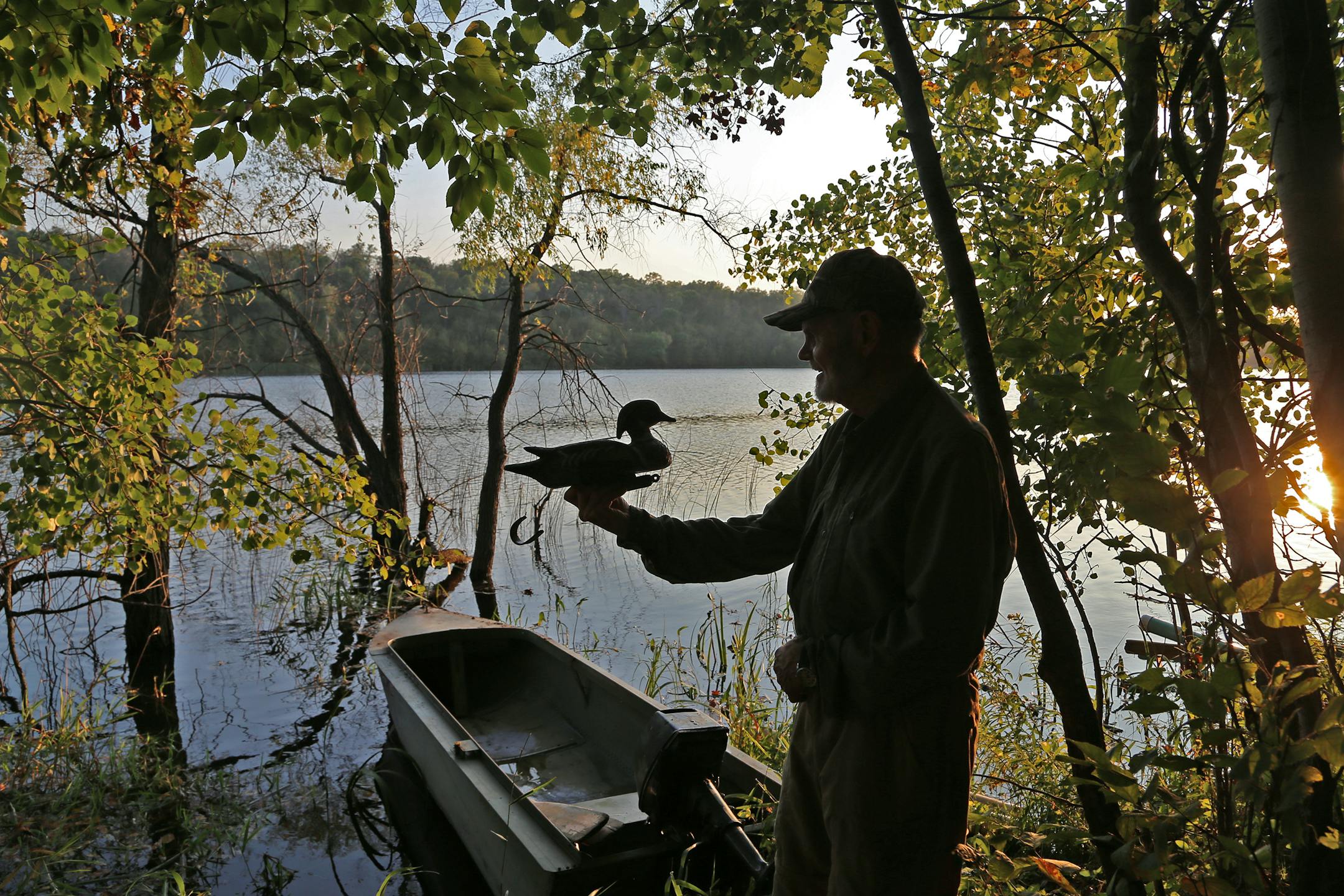
Should wood duck limits be reduced from three to two? That question and others could be addressed this winter at a proposed Minnesota duck summit. (Dennis Anderson/For the Minnesota Star Tribune)

“We stand guard over works of art, but species representing the work of aeons are stolen from under our noses.” — Aldo Leopold

That early teal and overwater goose hunting seasons will be offered beginning Sept. 6 by the Department of Natural Resources, followed by a Youth Waterfowl Weekend, is evidence of just how far afield we, all of us, have strayed from the conservation ethic Leopold first espoused a century ago.

Yet waterfowlers who will shoulder their guns in coming weeks hoping to see a few birds aren’t to blame for what arguably are the state’s too-many duck and goose seasons that begin too early in autumn.

Or for the state’s too-few ducks.

The DNR is Minnesota’s Grand Poobah of waterfowl hunting, and it alone establishes Minnesota duck and goose seasons. And leads the state’s waterfowl-habitat restoration efforts.

Yet most Minnesotans, including most waterfowlers, know more about how a pope is elected in Rome than how, and why, the DNR sets waterfowl seasons and limits.

Which is one reason among many why DNR wildlife managers have lost credibility with the state’s waterfowlers.

Another is that ducks are scarce, and getting scarcer.
Breeding numbers of blue-winged teal, for example, were down 60% this spring from a year ago, and mallards were off 32% from the state’s 10-year average.

Total breeding ducks in the state numbered 417,000, down 32% from the long-term average.

Yet early teal hunting will run Sept. 6-10, with six-bird limits. Overwater early goose hunting will be Sept. 6-21. Kids will hunt Sept. 13-14. And the 60-day regular duck season (beginning a half-hour before sunrise, when hen and drake mallards can’t be distinguished from one another) starts Sept. 27, with six birds allowed daily and 18 in possession.

To increasing numbers of Minnesota waterfowlers, duck hunters in particular, none of this computes, and they’re hanging up their scatterguns in droves.

Disinterest is one reason. Disgust another.

Already at record lows, license sales likely will drop again this fall.

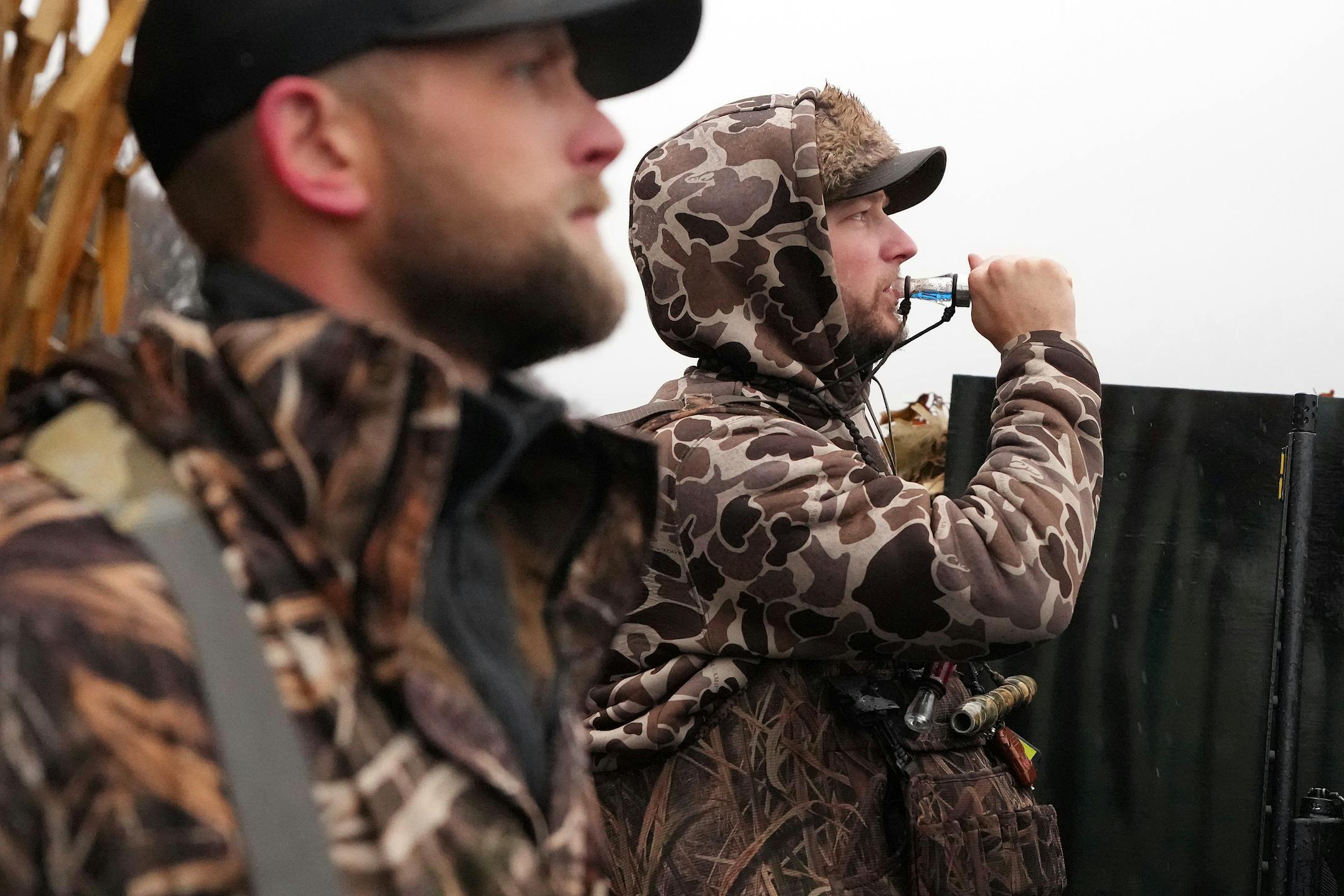
Brett Hanson, left, and Jordan Lillemon watch the sky as they hunted ducks last November on Lake Christina near Ashby, Minn. (Anthony Soufflé/The Minnesota Star Tribune)

To stop the exodus, or at least slow it, and to help reclaim Minnesota’s rightful place as the nation’s waterfowl conservation leader — and conscience leader — last week I proposed to DNR Wildlife Section boss Dave Trauba that his agency lead a Minnesota duck summit, similar to the Pheasant Summit former Gov. Mark Dayton convened in Marshall in 2014.

And similar to the Minnesota Waterfowl Symposiums the now defunct Minnesota Waterfowl Association sponsored for a couple of decades, ending in 2017.

The DNR could use the meeting to explain how and why it manages ducks the way it does, while also exploring improvements.

Certainly duck seasons and limits would be on the agenda. But habitat would be at the forefront, because habitat helps create ducks in spring and supports them in fall while migrating.

Other agencies could also participate, as they have at past symposiums, including the Board of Water and Soil Resources, the U.S. Fish and Wildlife Service, and the USDA Natural Resources Conservation Service.

Perhaps these agencies are coordinating their taxpayer-funded, multimillion dollar habitat efforts with the DNR, and with Ducks Unlimited, Delta Waterfowl, Pheasants Forever and other nonprofits.

If so, why are ducks declining?

If not, how can their efforts be improved?

Weather of course plays a role in duck production. Drought this spring prompted many returning ducks to overfly Minnesota, looking for more water.

But variances in temperature and rainfall don’t explain why Minnesota ducks have gone missing.

Perhaps we’re losing more wetlands and shallow lakes by legal or illegal drainage than we’re gaining with the millions of dollars being spent to restore and protect Minnesota duck habitat.

Perhaps the state’s wetland protection law is not being enforced in deference to the state’s agriculture industry.

Discussion of these and other important topics could help restore trust between the DNR and the state’s waterfowlers — without which wetland conservation in Minnesota is doomed.

Through their license and equipment purchases, and donations of millions of dollars to groups such as Ducks Unlimited, hunters have been at the forefront of North American wetland conservation since the 1930s.

Their love for mallards, blue-winged teal, wood ducks and other wild fowl is matched only by their affection for waterfowling itself. Early mornings appeal, as do chilled winds, muddy boots, muddier dogs and the sight of cupped wings arrowing toward decoys in the half light of a new day.

The long-held belief among these sportsmen and women has been that the professionals who manage their favorite resources establish seasons and limits that allow for the harvest of surplus birds only.

That way, duck and goose populations can be sustained indefinitely, and perhaps be increased if favorable weather prevails.

If instead waterfowlers find out that seasons and limits are being set not to conserve ducks and geese, but to keep license sales up, disgust sets in.

Not many years ago, ducks were plentiful in Minnesota, and the state was regaled continent-wide for the more than 125,000 waterfowlers it put afield and for its conservative management of wigeon, gadwall and other ducks.

In those glory days, few hunters asked questions about how waterfowl were managed.

Now they’re asking a lot of questions.

Especially, where are the ducks?

The DNR could answer that query and many others by pairing a duck summit with its annual roundtable in January.

Better yet, to accommodate more of the many Minnesotans who are interested in waterfowl, a duck summit could be held on the Thursday before the Friday roundtable, at the same Twin Cities hotel.

Alternatively, we, all of us, could keep doing what we’re doing.

After all, how important can ducks be?

Leopold answered that question.

“The last word in ignorance,” he said, “is the man who says of an animal or plant: What good is it?”

about the writer

about the writer

Dennis Anderson

Columnist

Outdoors columnist Dennis Anderson joined the Star Tribune in 1993 after serving in the same position at the St. Paul Pioneer Press for 13 years. His column topics vary widely, and include canoeing, fishing, hunting, adventure travel and conservation of the environment.

See Moreicon

More from Outdoors

See More
Rising above the treeline (Top of this photo), on the shore of Birch Lake, the Twin Metals Copper Nickel Mine Plant site and Tailings Management site is part of the proposed plan. ] In theory, the copper-nickel mine Twin Metals wants to build in the headwaters of the Boundary Waters Canoe Area Wilderness is a zero-discharge mine — a closed loop that will endlessly recycle millions of gallons of water, including rainwater and the polluted process water it uses to extract ore and
Brian Peterson/The Minnesota Star Tribune

The copper-nickel mine is controversial for its proximity to the Boundary Waters Canoe Area Wilderness, and the Biden Administration had canceled its leases.

card image
card image