By now, it’s become a familiar scene across the Twin Cities. Federal agents descend on a home or stop a car to apprehend someone who appears to be a Latino or Somali immigrant.
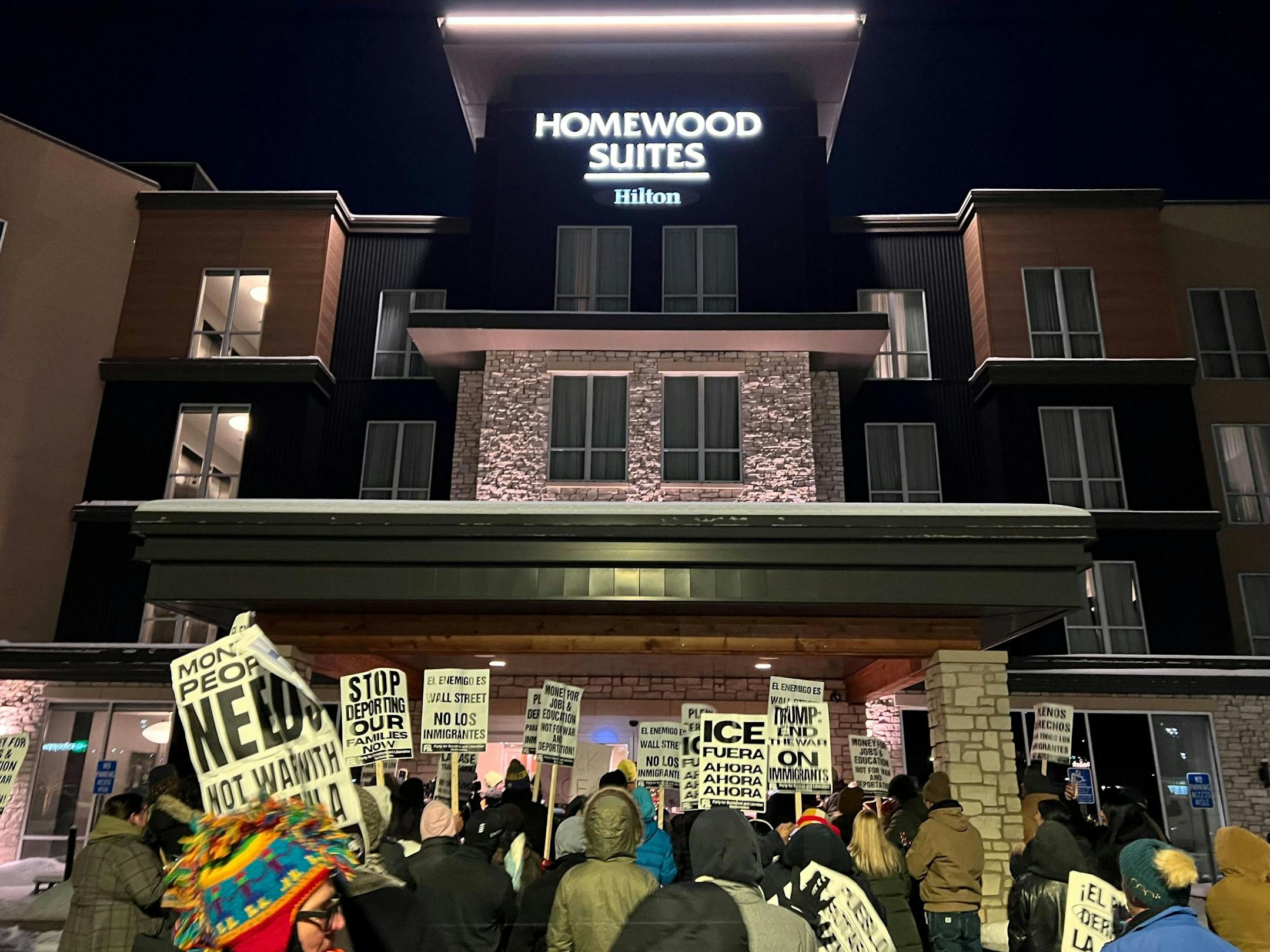
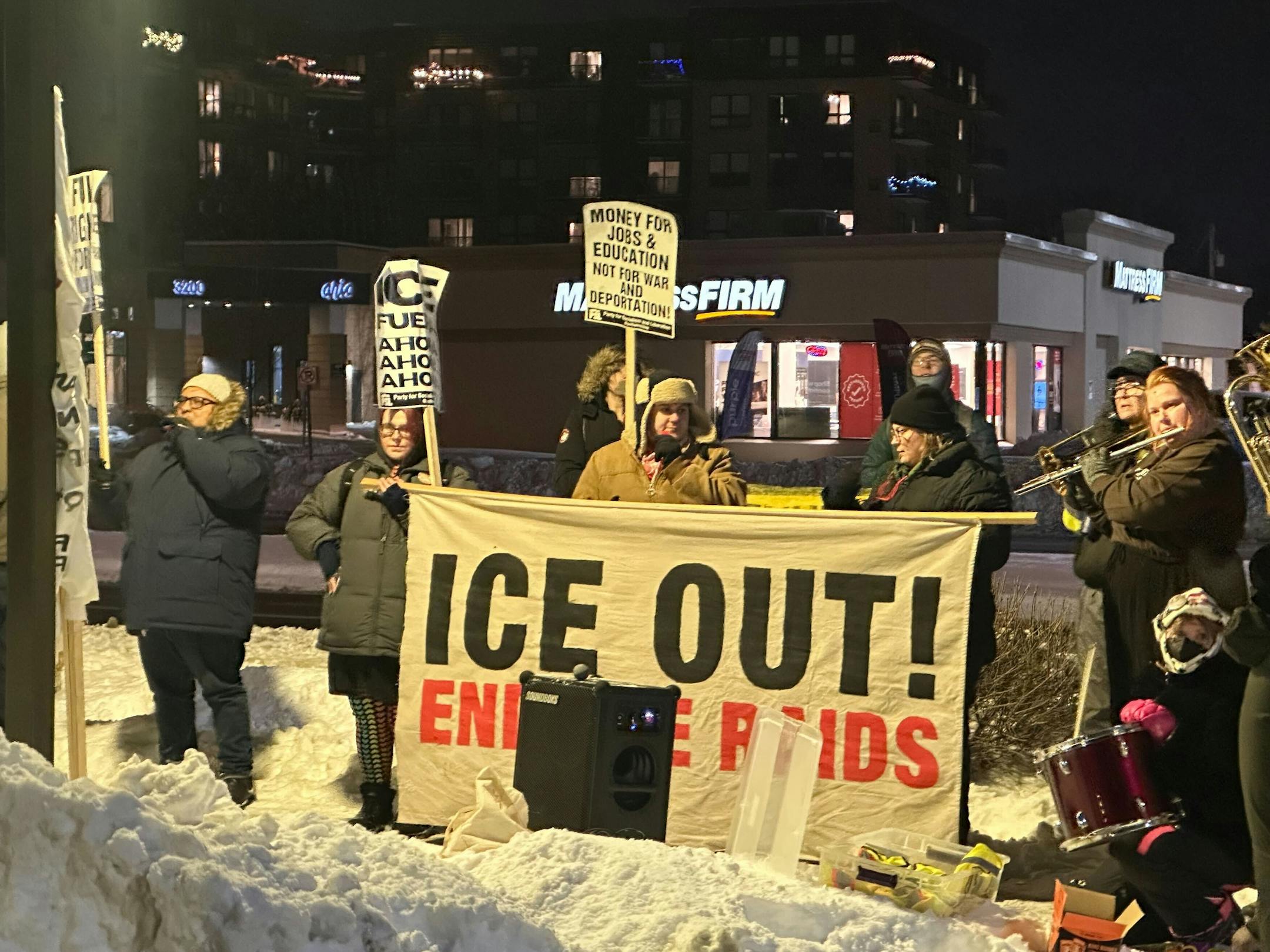
Within minutes, activists surround the agents; blowing whistles, shouting down law enforcement and gathering vital bits of information that could help document the suspect and the agents.
Sometimes the confrontations escalate. Protesters have blocked cars and thrown objects at law enforcement, and agents have used force, firing pepper spray or shoving protesters to the ground.
These types of standoffs have occurred regularly elsewhere since President Donald Trump took office in January, but they became more frequent in Minnesota this month after the Department of Homeland Security (DHS) launched a broader initiative known as “Operation Metro Surge.”
Federal agents try to keep enforcement measures secret but a patchwork of protesters, legal observers and neighborhood groups have developed a coordinated response to rush to scenes to document the agents making arrests, and sometimes try to prevent the arrest from happening.
“It’s evolved into quick snatch-and-grabs,” said Miguel Hernandez, an organizer for the Minnesota Immigrant Rights Action Committee (MIRAC). “So how do we grab that information now in a rapid way where it’s still factual? Because all that information does a lot of things.”
The information — ranging from immigrant names to license plate numbers and vehicle information to agent locations — is shared through numerous encrypted group chats. The chats, some restarted daily, involve hundreds of people from across Minnesota.
In one message earlier this month, someone described seeing masked agents grab two people outside a northeast Minneapolis gas station, with no labeling on their tan vests other than the word “police,” before placing them in a car and leaving.