A Libyan man came to Minnesota for medical treatment. Then ICE detained him.

Woodbury man came from Libya to Minnesota for treatment of rare skin condition, then stayed to earn his degree and become a celebrated graduate and IT worker.

The Minnesota Star Tribune
January 13, 2026 at 12:00AM
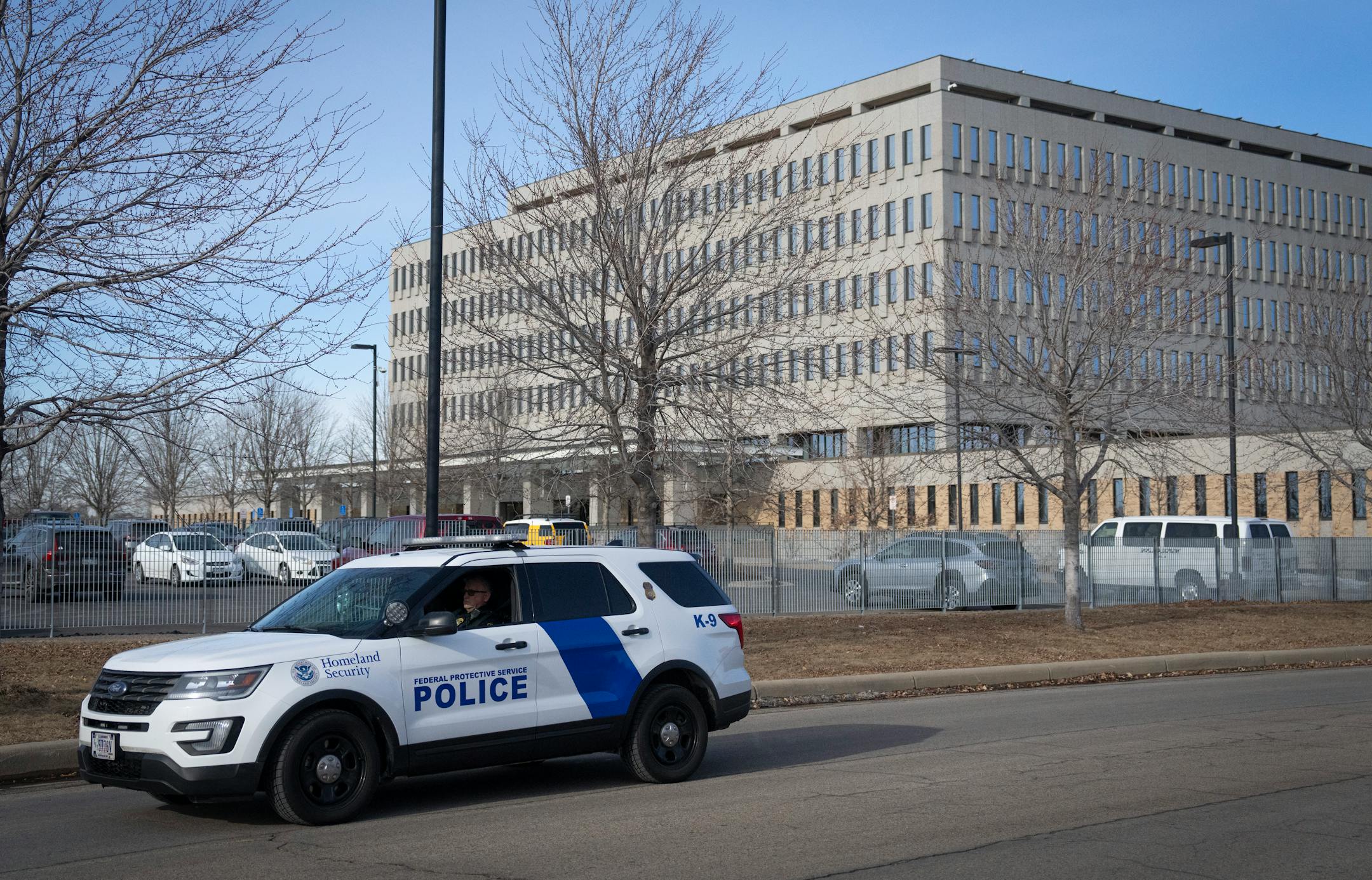
A homeland security officer drives past the Whipple Federal Building in Minneapolis on Jan. 29, 2025. (Renée Jones Schneider/The Minnesota Star Tribune)

A family is fighting the detention of a Libyan who came to Minnesota for treatment of a rare skin disease, saying being in federal custody will worsen his medically vulnerable condition.

Immigration agents detained Hani Duglof, 32, this past weekend and bound his legs in metal cuffs, even though he has a condition called epidermolysis bullosa (EB) that makes his skin and even his throat as fragile as paper, according to his brother. The friction from rubbing exacerbates the redness and wounds on his legs. He’s since been moved in shackles to a hospital.

The detention highlights a potential stumbling block in flooding Minnesota with immigration agents. The University of Minnesota and Mayo Clinic draw people from across the world for medical care of rare conditions. If some visiting patients end up in federal custody, they will be medically complex and difficult to detain safely.

“[Duglof] told me it’s crowded, that they were sitting on the floor and that everything is rough” in the detention facility, said his brother, Mohamed, who also has EB and traveled in 2014 to Minnesota because it is a world leader in treatment of the condition. “And he has a skin disease that is prone to infection.”

Duglof is in the U.S. legally, but his ultimate status in the U.S. has been uncertain for nearly a decade because federal officials have delayed action on his asylum request, according to his attorney. His family is trying to prevent his transfer to a detention facility in El Paso, Texas, and obtain a bond so he can be released home to Woodbury to manage his condition while his status is resolved.

The Duglof brothers came from Libya in 2014 under visas to be screened for a bone marrow transplant that was pioneered by the U of M and its dean, Dr. Jakub Tolar. Genetic testing found they didn’t have the type of disease that was eligible for the transplant, but they continued to receive medical care for their conditions. Hani Duglof then filed the asylum request to avoid returning to Libya amid a prolonged civil war in that country.

“Because of rare diseases, we get a lot of these people,” said Erica Barnes, executive director of the Minnesota Rare Disease Advisory Council. Detentions could disrupt care for individuals, she said, as well as clinical trials and research that depend on international recruiting for rare diseases but also benefit Americans when they lead to better treatments.
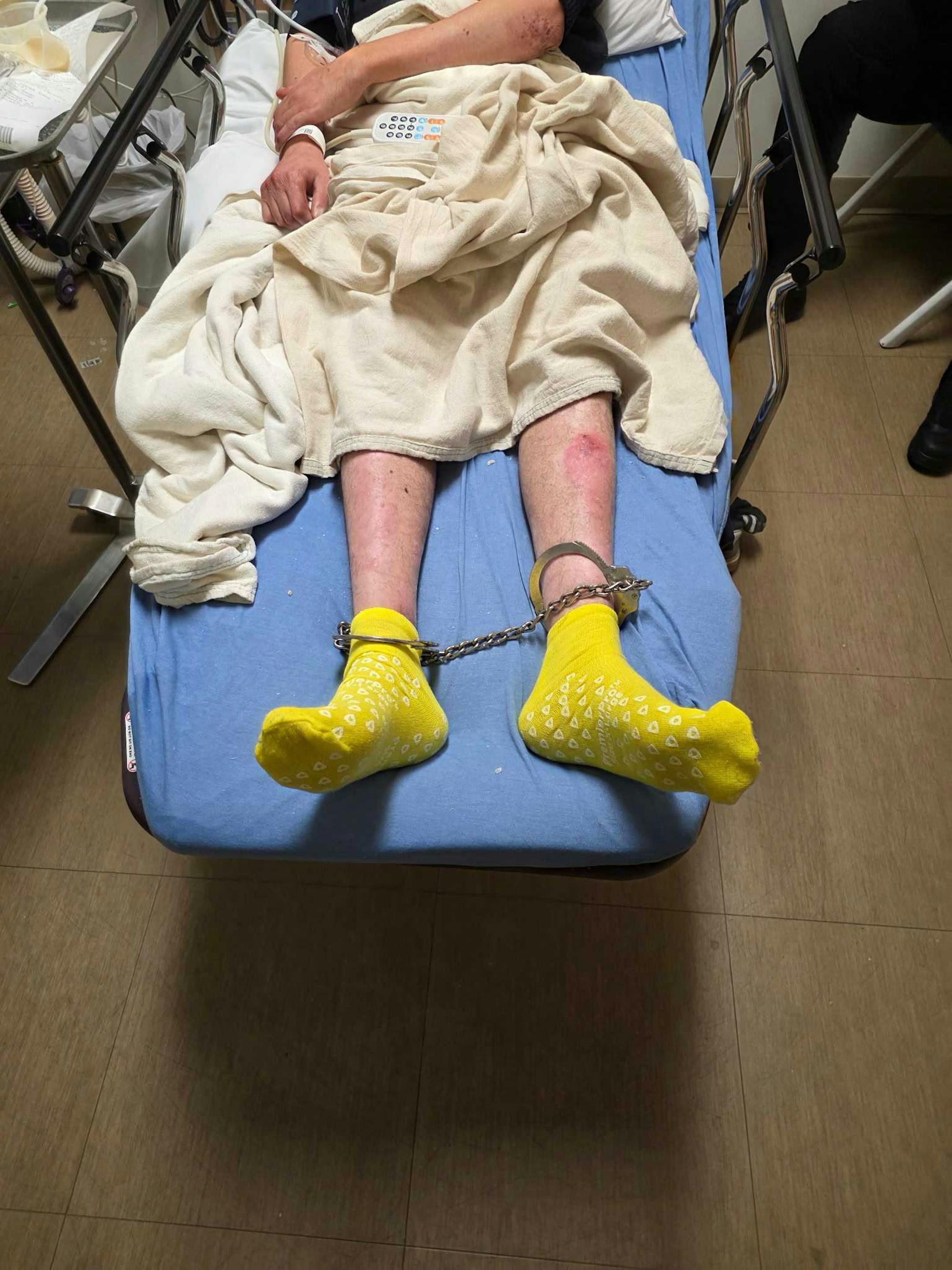
Hani Duglof was admitted to M Health Fairview Southdale Hospital in Edina following placement in an ICE detention facility in Minneapolis. Duglof, a Libyan, has remained for years in Minnesota for treatment of a rare condition that leaves his skin as fragile as paper. Mere contact with the restraints is causing irritation and cuts.

An incurable genetic disorder, EB affects about 500,000 people worldwide. Minor friction can cause people with the condition to suffer skin tears and lusters, including in their mouths and throats. The wounds often lead to severe and sometimes fatal infections.


Duglof can manage EB on his own by protecting his skin and eating a special diet, his brother said. But he has suffered so much damage and narrowing of his throat over the years that he couldn’t eat the turkey sandwich offered this weekend by ICE agents.

“They don’t have the ability to help him,” said his brother, so instead they transferred him to M Health Fairview Southdale Hospital in Edina, where he remains restrained and monitored by a federal agent. “That’s the only thing they could figure out to do with him.”

Federal agents declined to remove the cuffs that are irritating Duglof’s legs, so instead he is trying to keep them draped below his hospital socks.

“In all fairness, the agents I interacted with, they sympathized with him,” said his brother, who became a U.S. citizen through marriage.

A spokesperson at the U.S. Department of Homeland Security, which oversees ICE, acknowledged questions about the case that were sent from the Minnesota Star Tribune but had not yet replied to them Monday afternoon.

Duglof is one of several ICE detainees taken under guard to local hospitals, including Southdale and HCMC in Minneapolis.

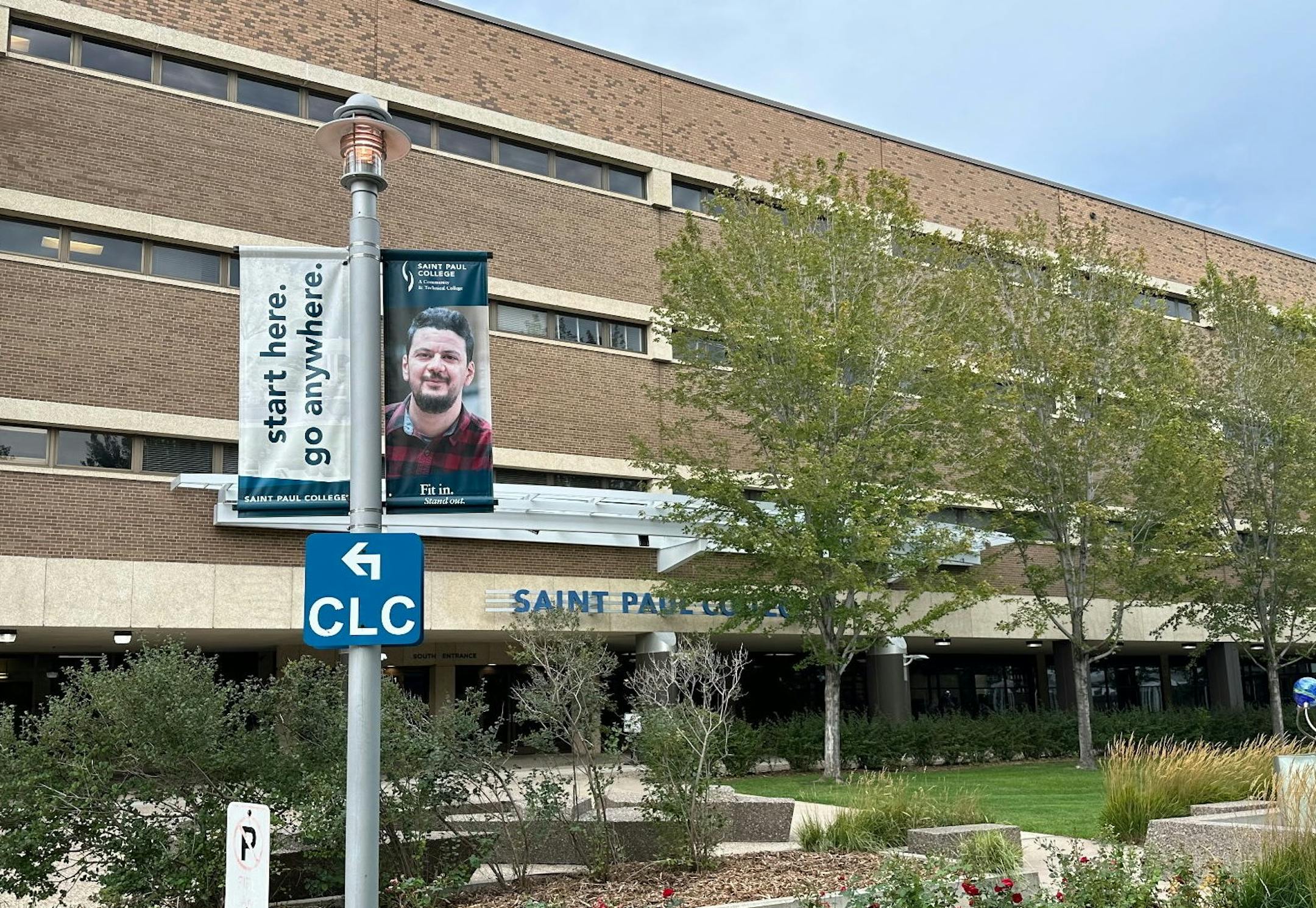
Duglof worked for ride-hailing services and other employers while earning an associate’s degree from St. Paul College and then a bachelor’s degree in computer networking from Metro State University. Duglof’s face features on marketing banners around the St. Paul College campus, encouraging students to “Fit In. Stand out.”

Hani Duglof, a Libyan now in ICE custody, graduated from St. Paul College, which uses his likeness in marketing banners urging students to "Fit in. Stand out."

Duglof works in IT for a Twin Cities health care system. He was detained when federal agents pulled him over in his car.

His immigration attorney, David Wilson, has contacted ICE and filed a motion in court to set a bond so Duglof can be released. However, he said it is difficult to get officials’ attention right now.

“His skin is going to slough off [from friction] and that causes an infection and then the spiral begins,” Wilson said. “I remain hopeful someone will realize, ‘Man, we don’t want this medical bill. We don’t want responsibility for what happens to him if he’s in custody for too long.’”

A nurse practitioner in the Southdale ER prepared a discharge letter on Sunday with instructions on Duglof’s needs.

“He CANNOT eat hard foods, difficult to chew foods, etc., as these will damage his esophagus or get stuck,” the note said. “Daily dressing changes with nonadherent Vaseline impregnated dressings required. Any friction or pressure points on the skin must be eliminated.”

Duglof’s brother said he pled with officials at Southdale to keep him at the hospital, even though his condition was stable.

That situation raises another dilemma, especially amid the influenza season that at peak times this winter has overwhelmed emergency room capacity. ICE might not have the medical capabilities to manage some detainees who don’t meet criteria for hospital admissions either.

“In the best conditions, daily activities of life can be traumatic” for people with EB, said Dr. Christen Ebens, co-director of the U of M’s Epidermolysis Bullosa Center. “In detention, I struggle to envision the environment as safe.”

Ebens said many EB patients at the U center remain in Minnesota for months, so they move temporarily and find jobs. Immigration enforcement could make it difficult for patients to come to Minnesota for treatment or participation in clinical research, said Ebens, who was not involved in Duglof’s care.

Wilson, the attorney, said he was grateful that ICE agents at least recognized Duglof’s needs when they are dealing with so many detainees.

“It gives you a little hope,” he said, “that there is still humanity in the system.”

about the writer

about the writer

Jeremy Olson

Reporter

Jeremy Olson is a Pulitzer Prize-winning reporter covering health care for the Star Tribune. Trained in investigative and computer-assisted reporting, Olson has covered politics, social services, and family issues.

See Moreicon

More from Business

See More
card image
Gene J. Puskar/The Associated Press

Minnesota Rep. Michael Howard, who represents Richfield, said the employees also were injured in the incident.

card image
card image