
After holiday spike, virulent flu strain might be ebbing in Minnesota

Hospitalizations tapered, offering hope of a peak to the flu wave, but a return to school raises pediatric risks.

The Minnesota Star Tribune
January 8, 2026 at 7:41PM
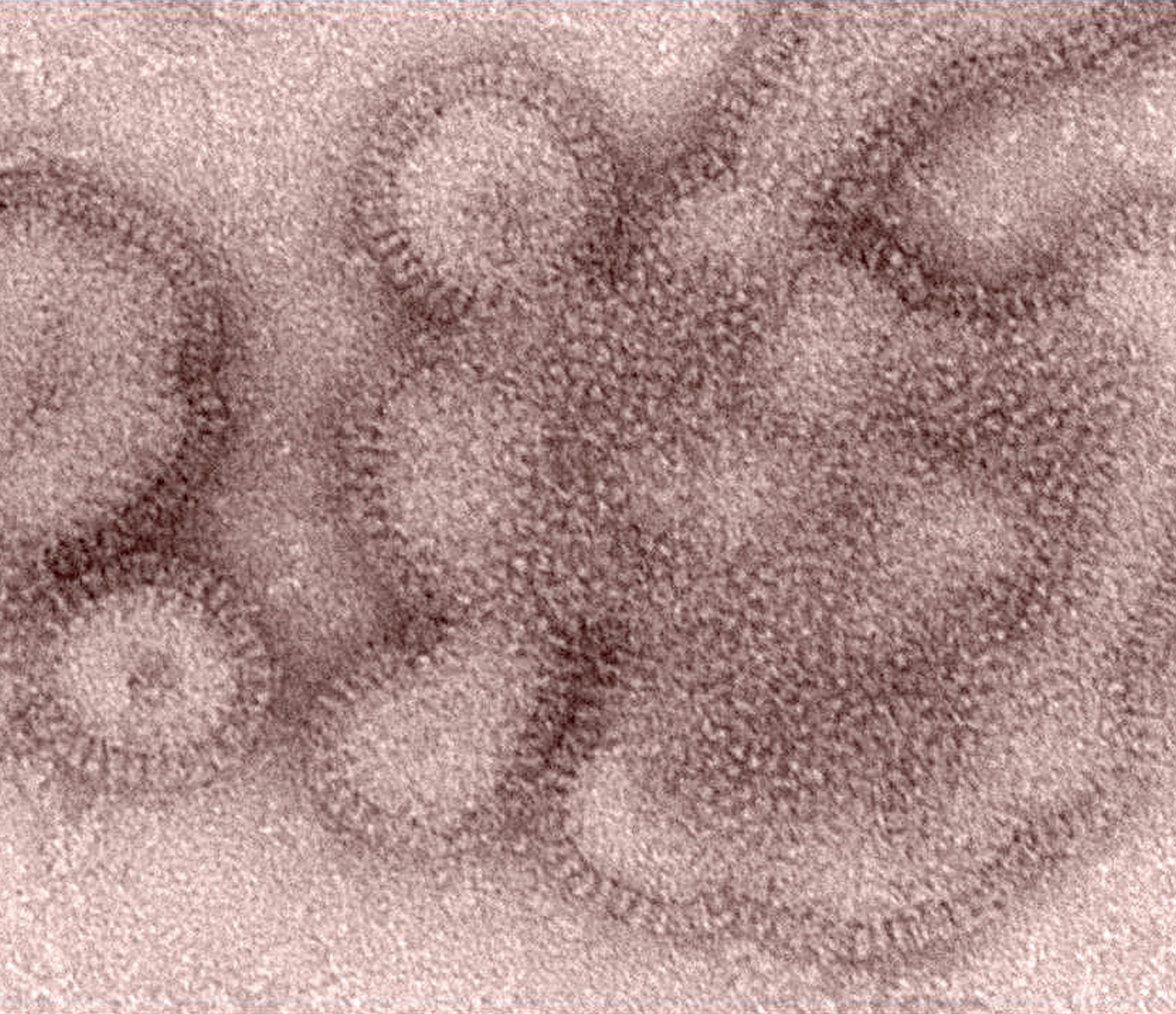
FILE - This 2011 electron microscope image provided by the Centers for Disease Control and Prevention shows H3N2 influenza virions. In January 2019, the flu season was shaping up to be one of the shortest and mildest in recent U.S. history. But a surprising second viral wave has just made it the longest, according to the flu statistics released on Friday, April 19, 2019. (Dr. Michael Shaw, Doug Jordan/Centers for Disease Control and Prevention via AP)
This 2011 electron microscope image provided by the Centers for Disease Control and Prevention shows H3N2 influenza virions. An H3 genetic strain was responsible for many of the documented flu cases in Minnesota this winter. (Centers for Disease Control and Prevention)

A wave of influenza that surged through Minnesota during the holidays is showing signs of peaking after causing 2,946 hospitalizations and 32 deaths so far this winter.

The 875 flu-related hospitalizations in the week ending Jan. 3 was down from 915 one week earlier, according to the state’s weekly update on Thursday, Jan. 8. Relief would be welcome at Twin Cities clinics and emergency rooms, where a surge of patients stretched wait times for non-critical care. North Memorial Health at one point this week posted a 15-hour wait time at its emergency room in Robbinsdale, though that has since subsided.

“People seem a little bit sicker than they have in recent memory and more people are coming in,” said Dr. Andrea Singh, a pediatrician for the HealthPartners and Park Nicollet health systems.

People might be at greater risk because the influenza virus didn’t circulate widely during the COVID-19 pandemic and present opportunities to develop immunity against it. Less than 29% of Minnesotans have received flu shots so far this season, and that low vaccination rate isn’t helping, Singh said. Despite reports that this year’s vaccine is mismatched to circulating flu strains, she said it still likely offers protection in the form of shorter and less-severe illness.

“I am very comfortable recommending flu vaccine every year,” she said, “but I also always tell my patients it’s not going to be perfect.”

Influenza is characterized by a sudden onset of high fever, breathing problems, cold symptoms and body aches. The virus primarily spreads through droplets that infected people spread when they cough, sneeze or speak. The infection can cause fatal or severe complications such as pneumonia and exacerbate existing heart issues and other conditions.

A genetic strain of influenza A known as H3 is causing many of the documented infections so far this winter, and it has mutated into a form that might hit patients hard even if they have immunity built up from infections in prior seasons, said Jeffrey Sanders, a senior epidemiologist in the Minnesota Department of Health’s influenza surveillance unit.

Minnesota had one of its highest one-week totals for flu-related hospitalizations on record last month. On the other hand, the current season is tracking similarly in severity and duration to the 2024-25 season, when an H1 flu strain was dominant and tapered off in January, he said.

“It’s definitely a season to remember,” Sanders said. “We don’t normally see severe seasons like this back-to-back.”

Thursday’s state update showed no pediatric deaths so far this season and 176 school outbreaks, which are reported when 10% of a school’s students are absent with flu-like symptoms.

School outbreaks predictably declined during the holiday break, but then outbreaks in long-term care facilities started to increase. Those 57 outbreaks in nursing homes and other senior-care facilities are concerning because elderly people are at greater risk of flu complications, especially when H3 strains of the virus are involved, Sanders said.

HealthPartners had a recent stretch when 46% of its flu tests came back positive, Singh said. “You test people that you suspect may have the flu, but that’s still pretty high.”

Now the health system is starting to see more flu cases among children. The start of K-12 classes after the holiday break may have presented opportunities for students to spread the virus again, she said

Pediatric doses of the Tamiflu antiviral treatment are in short supply, but officials for the HealthPartners and Children’s Minnesota systems said they have doses on hand. Adult supplies remain available in the Twin Cities and are recommended for people at greatest risk of flu-related complications or those who seek care within 48 hours of their initial symptoms.

about the writer

about the writer

Jeremy Olson

Reporter

Jeremy Olson is a Pulitzer Prize-winning reporter covering health care for the Star Tribune. Trained in investigative and computer-assisted reporting, Olson has covered politics, social services, and family issues.

See Moreicon

More from Business

See More
A pedestrian strolled by the U.S. Bank Center in October, a few weeks before the 25-story office tower headed to auction with a starting bid of $1 million, far less than its assessed value. Court records from the summer cited extensive maintenance needs, including elevator malfunctions and code violations in the parking structure.
Leila Navidi/The Minnesota Star Tribune

The St. Paul Downtown Development Corporation, an offshoot of the nonprofit St. Paul Downtown Alliance, owns three other properties formerly belonging to troubled Madison Equities.

card image
card image