
A guide to mental health care as ICE activity continues in Minnesota

Therapists offer advice and share resources as ICE activity in Minnesota heightens anxiety, fear and grief.

Sahan Journal
January 31, 2026 at 8:00PM
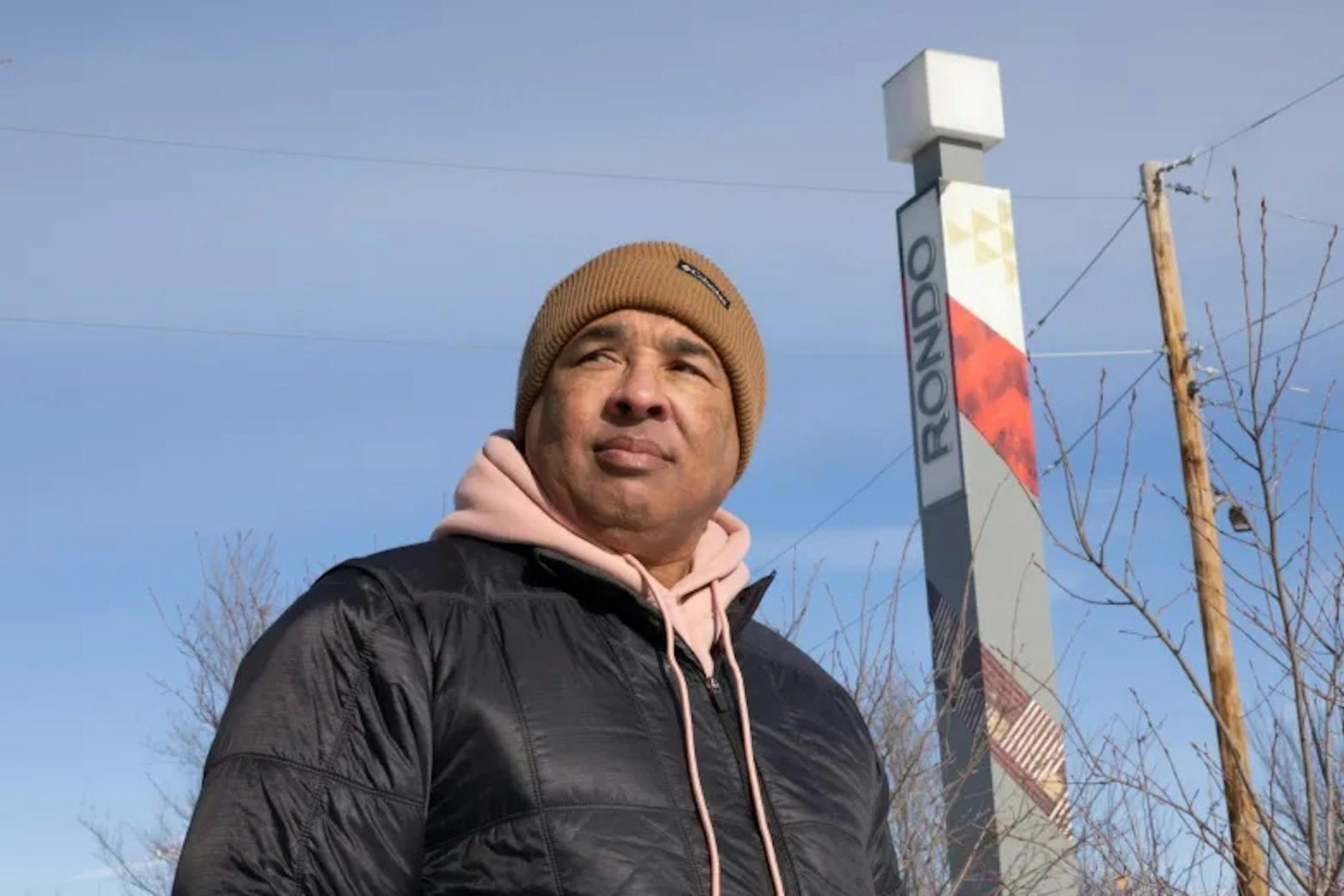
Paul Harper, a psychiatric social worker, stands at the Rondo Commemorative Plaza on MLK Day in St. Paul on Jan. 19. (Chris Juhn/Sahan Journal)

The effects of recent federal immigration enforcement actions have reached far beyond those directly targeted. Families, neighbors and entire communities are grappling with heightened anxiety, grief, and anger.

Sahan Journal spoke with mental health professionals on how they’re processing the events and what advice they’re providing. Their answers have been edited for length and clarity.

What dynamics are people processing? What’s the larger conversation?

King: People are processing grief, fear and honestly … a deep loss of safety. And that hits different depending on your lived experience. For Black, brown, Indigenous and immigrant communities, some of this is old trauma getting stirred up again. For a lot of white folks, I’m hearing this shift of “Wait … this can touch me too.”

White folks have to examine how violence has plagued their community and lineage for centuries. They have to learn how their history of violence sits in their bodies, and why they can see this as normal towards brown and Black bodies, but are shocked when it occurs to them. I recommend “My Grandmother’s Hands” by Resmaa Menakem to learn more about this.

How are you handling this as you support others?

Harper: I have a background in public service as a peace officer, military officer and social worker. I identify why my heart is feeling so heavy, what is the tightness that I feel. I do a lot of deep breathing to calm my central nervous system.

As I articulate my truth to my clients, then they feel safe and comfortable to share how they’re feeling. They’re feeling helpless. I ask my clients if they have a plan and if they have critical documents if they get stopped by ICE to try to protect themselves.

I despise when people are taking advantage of people. So my first instinct is to fight, to push back, because I’m a Marine. But this is not Afghanistan. This is not war. Right now, the solution is in our community. We must look across differences and coalesce in the name of humanity.

How can people stay informed and not get overwhelmed? How should we approach mental health?

Schmit: Acknowledge your emotions without judging them or pushing them away. Be kind to yourself. Write things down, take time to reflect or talk with someone you trust.

Limiting social media consumption is critical, because doomscrolling overloads our nervous system, ramps up stress and makes it harder to think clearly or stay connected to one another.

A lot of us are feeling helpless right now, but find small ways to contribute. Simple things like offering transportation, dropping off groceries, checking in on a neighbor, volunteering for a hotline or legal observation, or filling a shift to stand watch at a local school. These actions may seem small, but they instill a sense of purpose.

For those directly affected, what approaches and sources of support do you recommend?

King: I’m big on what I teach through my work:

  • Bridge the gap: Get real information, not rumors and make a simple plan.
    • Find your tribe: Don’t isolate — pick one, two people you can really lean on.
      • Rest in freedom: Your nervous system needs breaks. Turn the TV off. Put the phone down. Get outside. Breathe.
        • Conquer loneliness: Stay connected on purpose, even if it’s just one check-in a day.

          Use supports like 988 or Hennepin County Cope for crisis help.

          Rocha: Make safety plans with family. Let someone know where you are and what time you can be expected back. Coordinate with a friend or family member to run tasks or errands on your behalf. Know your rights.

          Rocha: If the child is an infant or toddler, connect with family members or trusted friends, sign the required releases and consent forms to ensure your child is where you want them to be in the event something unforeseen occurs.

          For elementary school children, the same is important, with the added caveat that since they may be able to be home on their own, it is important they have access to numbers to call if their parent does not come home. Put these on the fridge. It may also be important to have bags packed and a safe location to go to as a family.

          I would recommend consulting with a school social worker, counselor or community organization, including local spiritual/religious institutions.

          What are affordable or free mental health resources available?

          Schmit: We are sharing timely information on social media and creating materials that address concerns about using 988, offering guidance for coping with fear and anxiety, and resources like our Helpline, Warmline, support groups and educational tools. We also have free online support groups and classes focused on stress, trauma and building resilience.

          About the partnership

          This story comes to you from Sahan Journal, a nonprofit newsroom dedicated to covering Minnesota’s immigrants and communities of color. Sign up for a free newsletter to receive Sahan’s stories in your inbox.

          about the writer

          about the writer

          Anna Nguyen

          More from News & Politics

          See More
          card image
          Aaron Lavinsky/The Minnesota Star Tribune

          The state’s initial bid to get the courts to halt Operation Metro Surge was unsuccessful. A federal judge ordered the release of 5-year-old Liam Ramos and his father.

          card image