

Graphic footage of Renee Good’s fatal shooting on Jan. 7 by ICE agent Jonathan Ross and videos of the fatal shooting of Alex Pretti on Jan. 24 by federal agents have flooded the internet, along with other depictions of violent confrontations between Department of Homeland Security officers and Minnesotans.
Social media has enabled us to vicariously witness many harrowing scenes taking place in our community, as masked federal agents, carrying military-style firearms, smash car windows and tackle people to the ground. Protesters, observers and community members have pushed back, shouting profanities at agents and at times throwing things at them.
This secondhand exposure to violence takes a toll. Research studies following major attacks or natural disasters have shown that people who repeatedly watched graphic footage of the events experienced elevated levels of post-traumatic stress, said professor James Densley, chair of the School of Criminology and Criminal Justice at Metro State University in Minneapolis.
“In some cases, the mental health impact actually rivals that of people who are indirectly connected to the events,” he said.
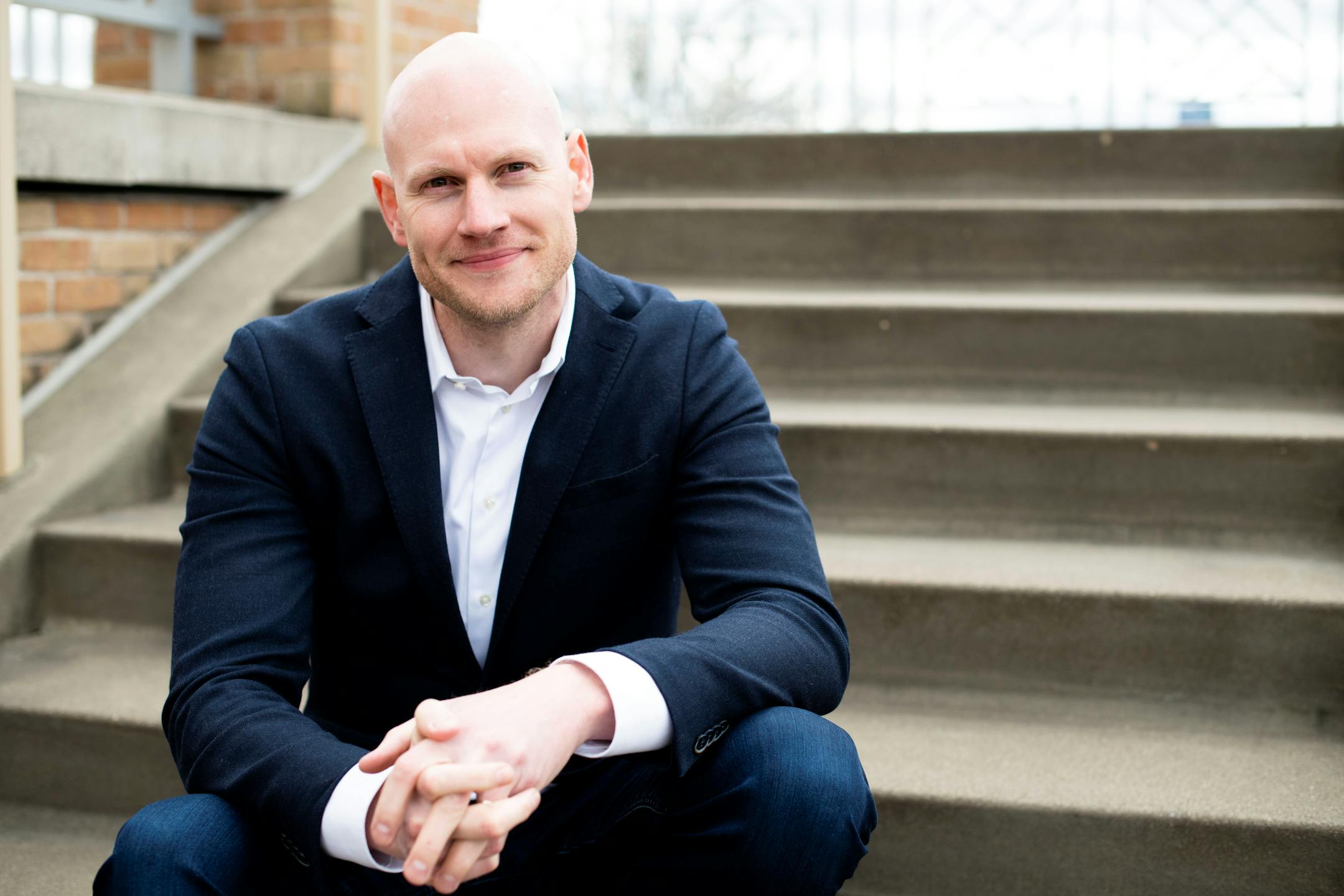
Densley shares how watching violent videos can lead to secondary or vicarious trauma — especially as social media amplifies their impact — and how to stay informed while protecting your mental health.
Q: Could you explain the psychological impact these videos have on viewers?
A: You can get anxiety, intrusive thoughts, sleep disruption. It’s when someone absorbs the emotional and psychological weight of another person’s suffering, through that repeat exposure. And that’s a stress response that’s virtually indistinguishable from direct exposure.
Q: How is this response different from empathy?


