
If you’re feeling rage and despair, social media is doing its job

A St. Thomas professor says it can be healthy to step away.

The Minnesota Star Tribune
January 15, 2026 at 9:00PM
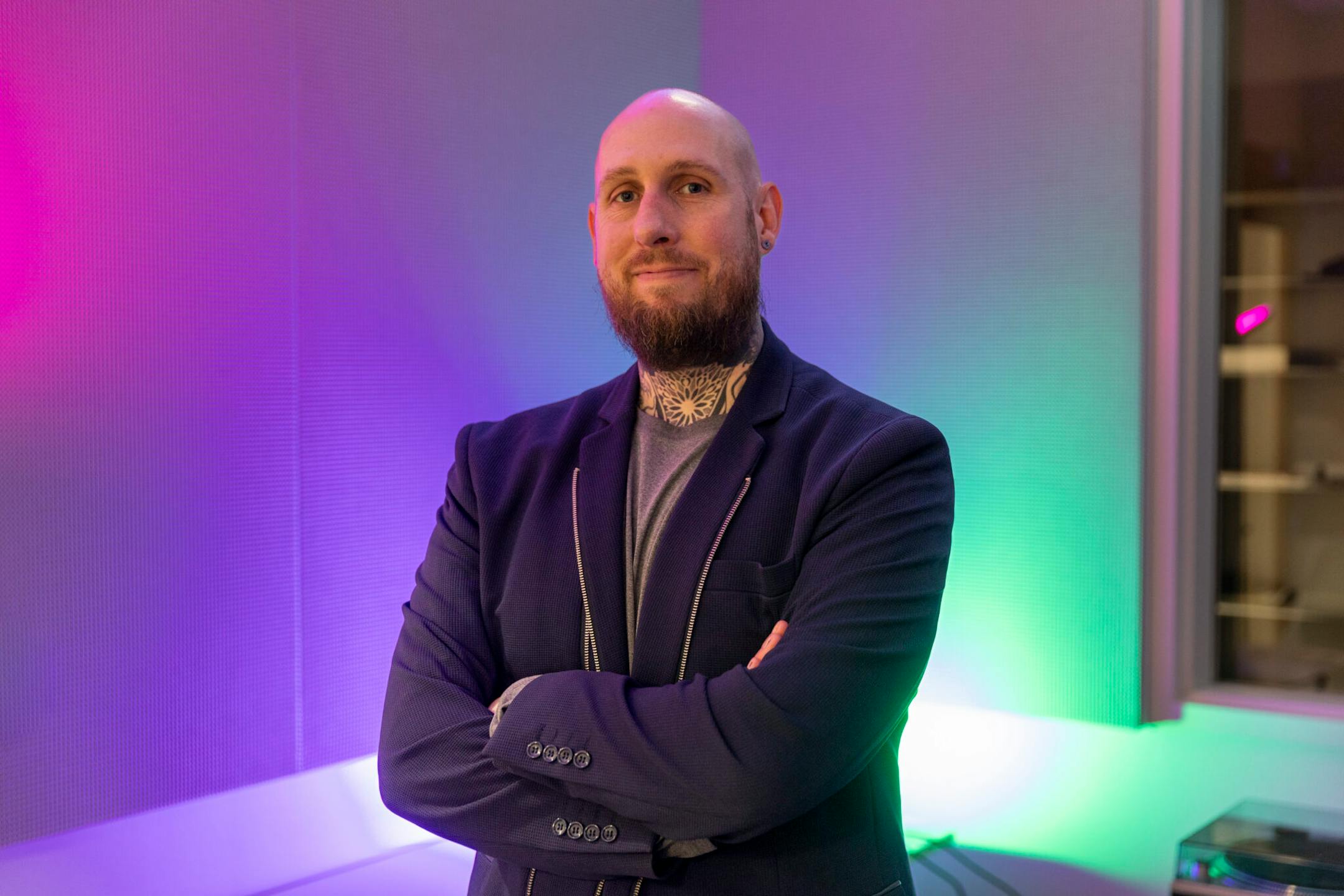
photo of man in front of purple/green background
Sky LaRell Anderson, an associate professor at the University of St. Thomas, says disengaging from social media can be good for your health. (Brandon Woller/University of St. Thomas)

Is the only way to avoid the toxicity and relentless negativity of social media to get out? Maybe, says Sky LaRell Anderson, who teaches at the University of St. Thomas.

“The first thing I recommend is that people relearn how to use the internet without social media. That doesn’t mean to stop using social media entirely, but social media pages have replaced the web for a lot of people,” said Anderson, an associate professor of digital media arts who deleted all of his traditional social media accounts years ago.

Since then, he has discovered he can get information he needs without social media: current events from trusted sources (some of them online), events info from community pages, contacting businesses through customer service numbers rather than relying on Instagram accounts.

We spoke with Anderson about trying to have a healthier relationship with social media when we’re being served constant streams of upsetting material:

Q: Is scrolling social media literally bad for you?

A: We have to be careful. We need to remember social media feeds or explore pages are not curated. We forget that. We think everything on there is the nature of reality, but it is specifically curated to anger you, upset you and make you sad because those are emotions to keep you engaged, to keep you clicking. That algorithm is designed to work on your most unpleasant emotions.

Q: You mentioned the book “Ten Arguments for Deleting Your Social Media Accounts Right Now,” by Silicon Valley pioneer Jaron Lanier, as an inspiration.

A: He argues you can’t really remember how to use the internet, without social media, until you get off social media. You can’t remember how to find local events until you stop using social media and remember that there are so many other ways, so many different and sometimes better ways to learn about different trends or projects. Maybe then you can reduce your reliance on social media to keeping up with friends, instead of doomscrolling on pages that are algorithmically driven to make you more upset because making you upset drives their traffic.

Q: Is there an alternative social media platform that is driven by joy and understanding?

A: I am unaware of such an algorithm.

Q: But we can’t just bury our heads in the sand and ignore important news?

A: No. I’m not saying you shouldn’t consume news that makes you upset. Sometimes we should be upset. But maybe don’t consume news in places that are designed to make you feel upset forever.

Q: And you’re not saying that everyone needs to do what you did and delete accounts?

A: Perhaps a different perspective for people who aren’t ready or don’t want to delete social media accounts is a “tolerance break.” That terminology comes from consumers of cannabis, the idea being your tolerance builds quite quickly so the only way to have a healthy relationship to cannabis, sometimes, is to take a break for a few weeks. Really, anything you’re doing in your life, when you want to re-evaluate your relationship to it, you can’t really re-evaluate unless you take a real step back.

Q: And the hope is that the break will lead people to remember, “Oh, before TikTok, I had other ways of getting information”?

A: Yes. If you only eat Beefy 5-Layer Burritos from Taco Bell for lunch, lunch becomes eating a Beefy 5-Layer Burrito and maybe only if you take a break do you discover, “Oh I can eat a salad or leftovers from last night.” It doesn’t mean you don’t ever get a Beefy 5-Layer Burrito. Hell, they’re delicious. I love them. But it means you can be more in control of how you engage with it after the break.

Q: You said that break can help people stay more in touch. How so?

A: One reason I advocate for a tolerance break from social media is that it forces us, when we get reactions to heartbreaking events, to get those reactions from people we trust, from friends and neighbors and family. It turns the temperature down by a few degrees, instead of us reading what everyone everywhere in the world thinks all the time.

Q: The idea being that you will get more from a chat with a friend than from consuming the opinions of dozens of strangers on social media?

A: Especially here in the Twin Cities, where heartbreaking things have happened and continue to happen, I don’t see why we shouldn’t be focusing on our own community here, rather than reading inflammatory remarks from some opinion writer on a sketchy “news” site. It can turn into this perfect circle of rage feeding into rage feeding into rage.

Q: If people aren’t ready for a tolerance break, any tips on healthier ways to engage with social media?

A: If we don’t want to contribute to harming ourselves and other people, one easy step is: When there’s something big and political and heartbreaking that makes you feel angry, remind yourself that the system feeds off you contributing to it. So if you are enraged or upset and you feel the only way to express those feelings is to post on TikTok, remember that you are contributing to that cycle.

about the writer

about the writer

Chris Hewitt

Critic / Editor

Interim books editor Chris Hewitt previously worked at the Pioneer Press in St. Paul, where he wrote about movies and theater.

See Moreicon

More from Minneapolis

See More
card image
card image