

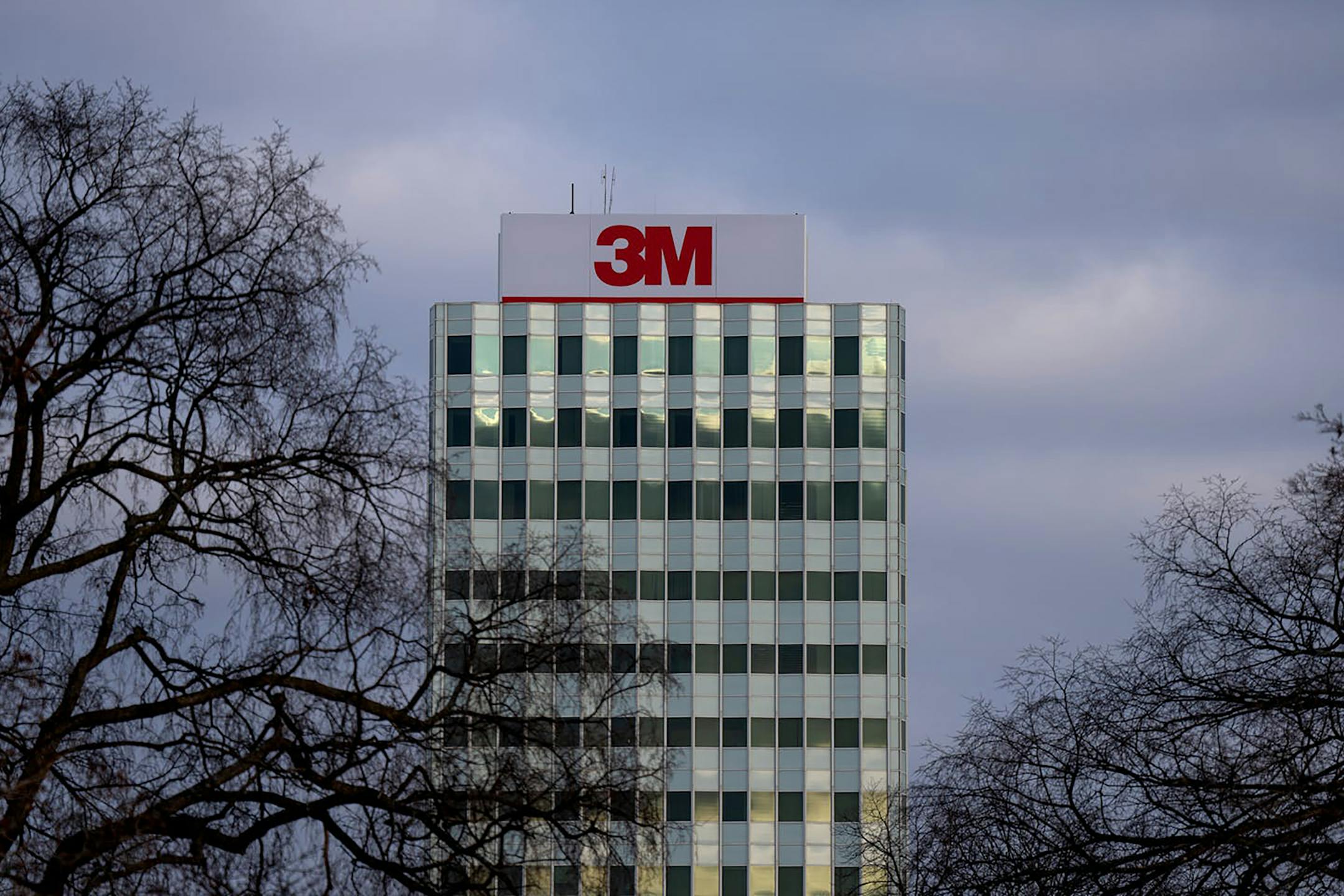
Thousands of Americans who blame 3M’s PFAS-laden firefighting foams for giving them cancer will present their claims to a jury for the first time this fall.
Unless they reach a settlement with the Maplewood-based company first.
“The worst-kept secret in this litigation right now is that these lawsuits are expected to settle soon,” attorney Ronald Miller, whose firm represents many plaintiffs, wrote in a blog he keeps to track the cases.
Settlement or not, 3M faces potentially billions of dollars in personal injury payouts and in dozens of other PFAS cases. Even after a blockbuster 2023 settlement of $12.5 billion after public systems found PFAS in their drinking water, the manufacturer might be only halfway through its “forever chemical” liabilities.
Analysts figure there’s $5 billion to $15 billion more in eventual legal payments for PFAS, a family of chemicals 3M pioneered that do not readily break down in the environment and have links to some cancers.
Those payouts will happen through the years if not decades. But the cash drain will undercut CEO Bill Brown’s priority to push out more new products and make 3M an innovation machine.
“Whenever anyone says, ‘None of this litigation will impact operating results,’ they’re correct. But it does impact cash flow, and that also means they have less capital to invest in new products and grow the business,” said RBC Capital Markets analyst Deane Dray. “As for the motivation to settle, I think that’s appropriate.”
Long history
3M profited greatly from PFAS in Scotchgard, firefighting foam and thousands of other components and products from the past 70 years. Now 3M is reckoning with what it first realized in the 1970s and ′80s: The chemicals accumulate in both the environment and human bodies, with certain versions posing potential health risks.


