

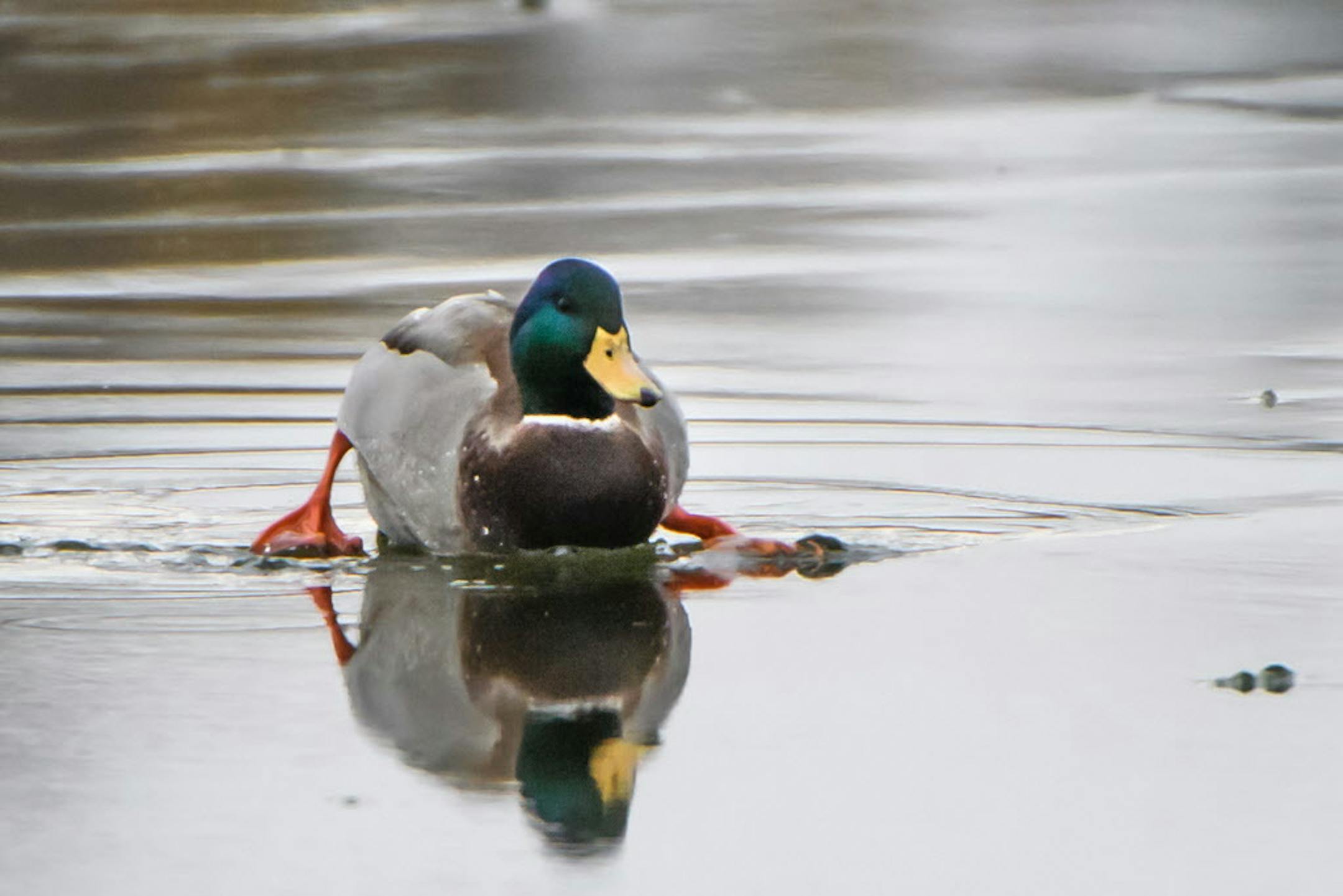
States like Wisconsin, Michigan and Maine have been issuing eating advisories relating to contaminants in wild game, but Minnesota — where similar results have been found — has not.
While the Minnesota Department of Health (MDH) provides guidelines for eating fish, it doesn’t have enough resources to consider other game.
That’s what an MDH research scientist said this week in response to Wisconsin’s recent announcement that hunters should not eat mallards harvested in the lower portion of Green Bay because of PFAS contamination. Previously, Wisconsin issued a PFAS-related eating advisory for deer in a specific location.
“Wisconsin’s advisories for deer and waterfowl don’t change anything here in Minnesota,” said Angela Preimesberger, the health department’s fish consumption guidance program leader. “Currently there aren’t the resources to consider other wild game.”
The Minnesota health department’s stance has raised concerns at the Department of Natural Resources, where wildlife researchers in 2023 reported high levels of PFAS chemicals in mallards and deer studied at Lake Elmo Park Reserve, a 3M pollution site.
According to documents from DNR and MDH obtained by the Minnesota Star Tribune, health officials in May 2023 denied a formal request from DNR for Lake Elmo duck and deer eating advisories.
Then, as now, the health department said the guidance for hunters would require more work than possible under existing staffing levels.
“It would take a team of toxicologists and exposure scientists months to research PFAS in wild game and determine any health effects that might occur,” Preimesberger said this week in an email.


![Attendees of Frostbike made their way through the convention Saturday at the Quality Bike Products campus in Minneapolis. ] (AARON LAVINSKY/STAR TRIBUNE) aaron.lavinsky@startribune.com Frostbike 2016 was held at the Quality Bike Products Campus on Saturday, Feb. 27, 2016 in Bloomington, Minn.](https://arc.stimg.co/startribunemedia/NH2BSHB74ND2V6GF2G2HI5X4MM.jpg?&w=252&ar=3:2&fit=crop)