

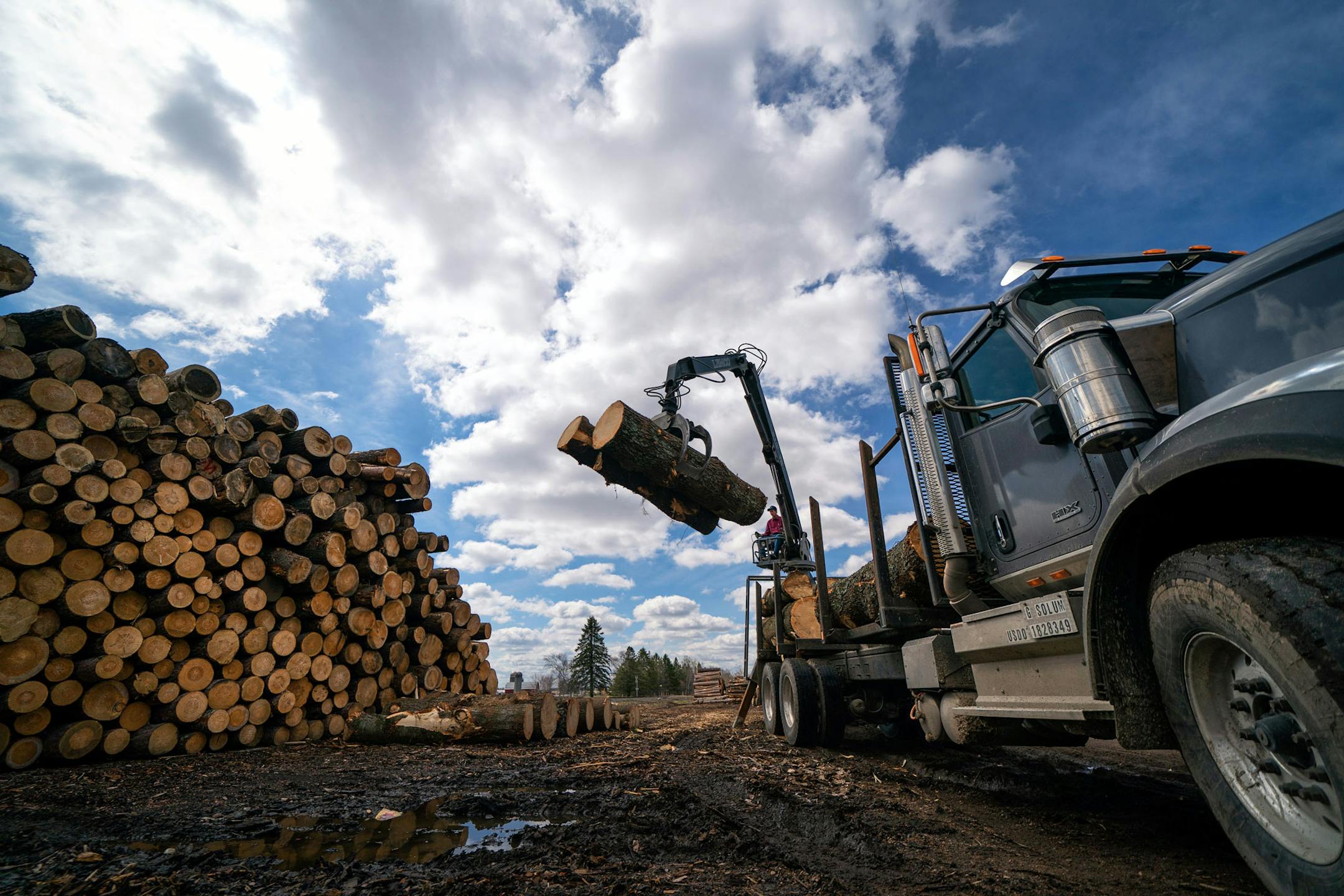
A federal review cleared the Minnesota Department of Natural Resources of any wrongdoing associated with its controversial logging practices on public wildlife lands.
The Office of Inspector General for the U.S. Department of Interior said its auditors did not find any contract violations despite concerns raised by federal and state biologists that some timber harvests have harmed wildlife habitat. Still, the review offered some validation of criticism that DNR’s logging priorities at times conflict with the conservation purposes of the federal program that helps Minnesota acquire and manage wildlife lands.
The wildlife management areas (WMAs) in question were acquired and improved with money derived from hunters and anglers via license sales and excise taxes. Known as the Wildlife and Sport Fish Restoration Program, it’s a national pillar of outdoors funding and a vital source of revenue at DNR.
The controversy over timber sales on WMAs arose in summer 2019 when 28 DNR field employees wrote to DNR Commissioner Sarah Strommen saying that the DNR’s logging program was hurting wildlife habitat on hunting lands and it was “scientifically dishonest” for the agency to say otherwise.
Two years ago, scrutiny of DNR’s forestry actions escalated when the acting regional director of the U.S. Fish and Wildlife Service (USFWS) stopped the flow of $22 million in grant money to Minnesota. The money was released after the two agencies reached an agreement to ensure all DNR-arranged logging on wildlife lands suited wildlife purposes.
Retired DNR biologist Gretchen Mehmel, one of the whistleblowers, said the audit validates what she and others have been complaining about for years.
“When wildlife staff are pressured to meet timber targets instead of ecological objectives, the mission gets lost and so do habitats,” Mehmel said.
Auditors in the report applauded DNR’s efforts “to enhance operational collaboration” on the issue among its divisions of forestry, fish and wildlife, and ecological and water resources.


