

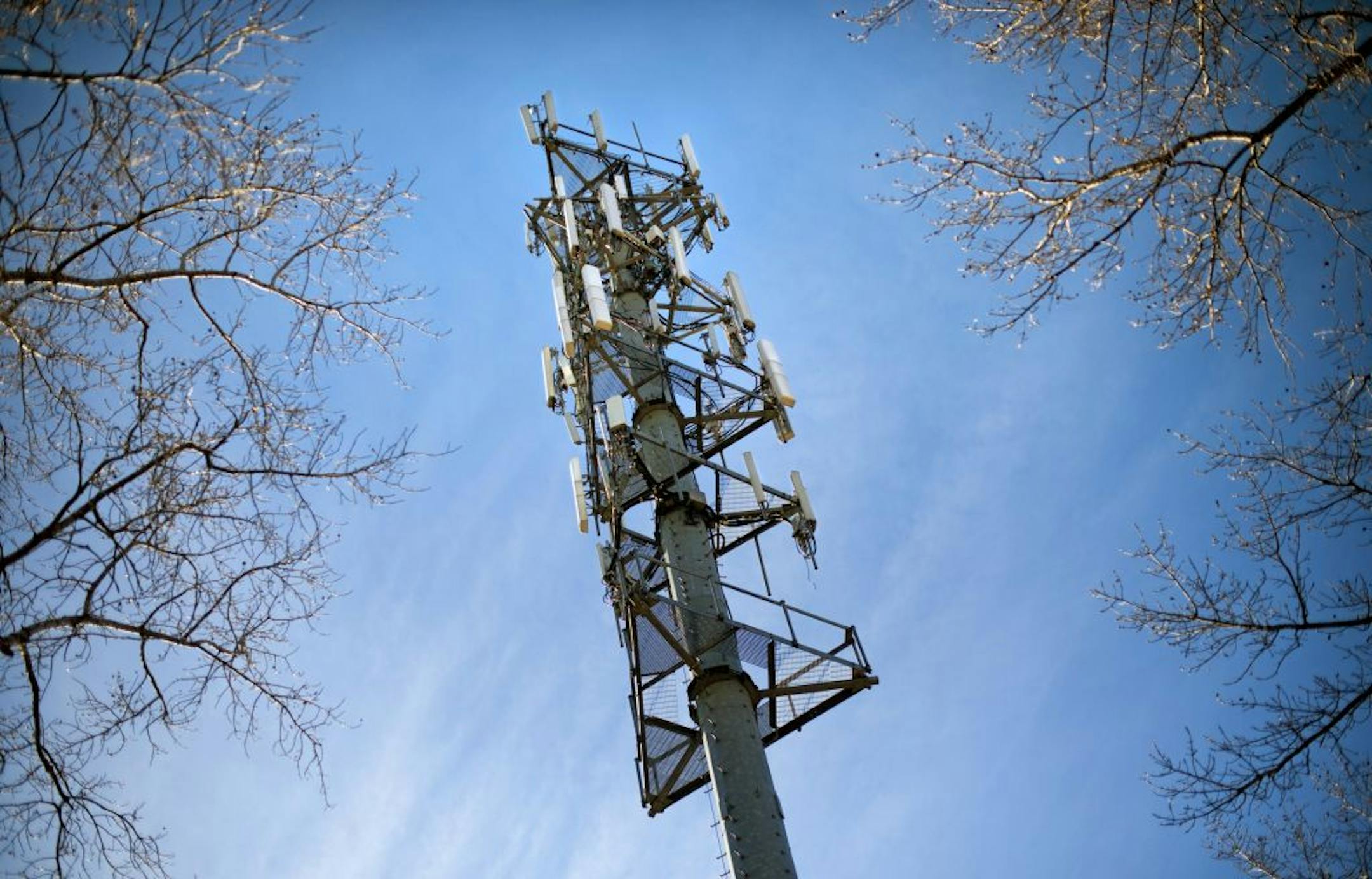
It's not always good to be first.
Consider wireless Internet firm Clearwire Corp., which in 2010 was the first company to offer fast 4G wireless Internet service to Twin Cities computer owners. The speedy 4G technology for the first time made wireless Internet access competitive with wired Internet service from the cable and telephone companies.
Two years later, Bellevue, Wash.-based Clearwire is struggling. It has never been profitable, and last year it lost $717.3 million on revenue of $1.3 billion. It needs an infusion of cash by the end of 2013.
What went wrong? Clearwire couldn't stay ahead of the competition, and it made some unfortunate technology choices that hurt its chances.
The unexpectedly rapid arrival of 4G competition from cellular giants Verizon Wireless and AT&T eclipsed Clearwire's first-mover advantage, and those competitors offered a much broader service area than Clearwire did, both in the Twin Cities and elsewhere.
And Clearwire got blitzed on the technology front when it bet on the wrong wireless technology, called WiMax. Clearwire is now switching a portion of its nationwide network to a different technology, LTE (Long Term Evolution), that cellphone companies around the world have embraced.
Because more providers use LTE, the price of that equipment has declined because of economies of scale. Meanwhile, the little-used WiMax gear has remained expensive. Clearwire also hurt itself by using high-frequency, 2.5-gigahertz radio waves that, unlike most cellular frequencies, are hard to receive inside some buildings.
That combination took a toll, said Donna Jaegers, an analyst with D.A. Davidson & Co. of Great Falls, Mont.


