

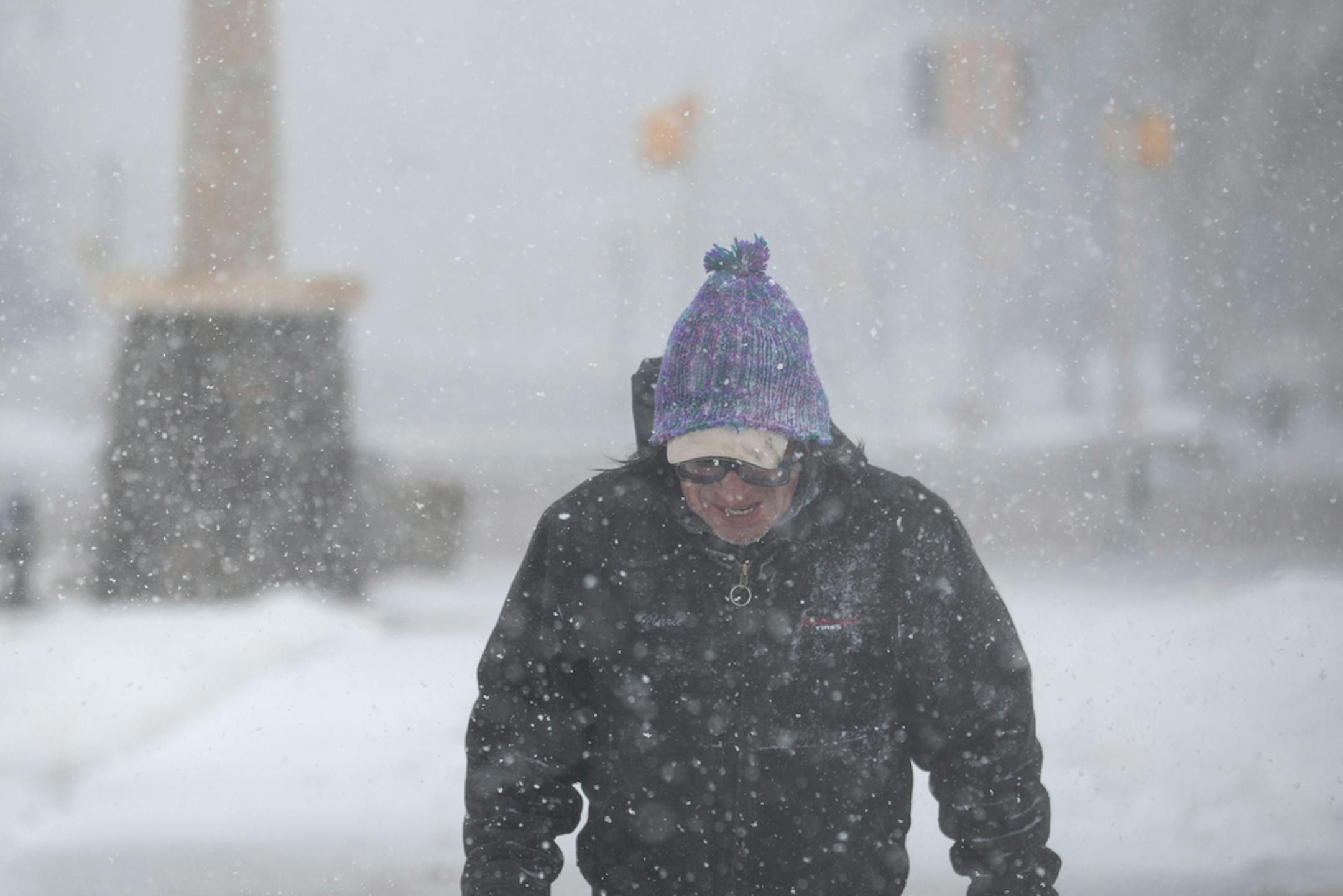
As snow blankets a broadening swath of the United States and meteorological winter sets in, the National Weather Service remains constrained by a severe staffing shortage, despite a Trump administration commitment to refill hundreds of jobs cut by Elon Musk’s U.S. DOGE Service.
The administration gave the National Oceanic and Atmospheric Administration, which oversees the Weather Service, permission to post 450 critical roles — seeming to acknowledge that DOGE had gone too far in a push for cuts that resulted in some 550 firings, resignations and early retirements. Back in June, National Weather Service Director Ken Graham called the ability to rehire “fantastic news” that would enable “timely and accurate forecasts and warnings.”
But months later, offices in more than half a dozen states, from Maine to Wyoming, have vacancies, according to Tom Fahy, the legislative director for the National Weather Service Employees Organization, citing the latest figures tracked by the group. The unfilled roles include meteorologists, technical experts and scientists who work to deliver accurate forecasts and warnings to communities around the clock.
In some locations, nearly half of the meteorologist roles were left vacant.
NOAA said progress in hiring has been made. “The NWS successfully advertised 184 positions to date, and the final selections and onboarding of employees are in various stages,” NOAA spokeswoman Kim Doster told the Washington Post in a statement Friday. She added that the Weather Service was on track to fill the remaining authorized roles by the end of the 2026 fiscal year.
But many of these specialized and demanding jobs have historically taken up to a year to hire for, said Rick Spinrad, who served as the agency’s administrator under former President Joe Biden.
Any shortages could put communities at risk, weather experts said.
“It would not be a surprise if we saw a major devastating storm this winter, for which loss of life and damage to property in part was a consequence of not being as prepared as we were with a fully staffed NOAA,” said Spinrad.


