Shoppers are in the mood to shop this holiday season with a level of consumer confidence not seen in 20 years. Retailers have released sneak peeks of their Black Friday ads all month to whet their appetites.
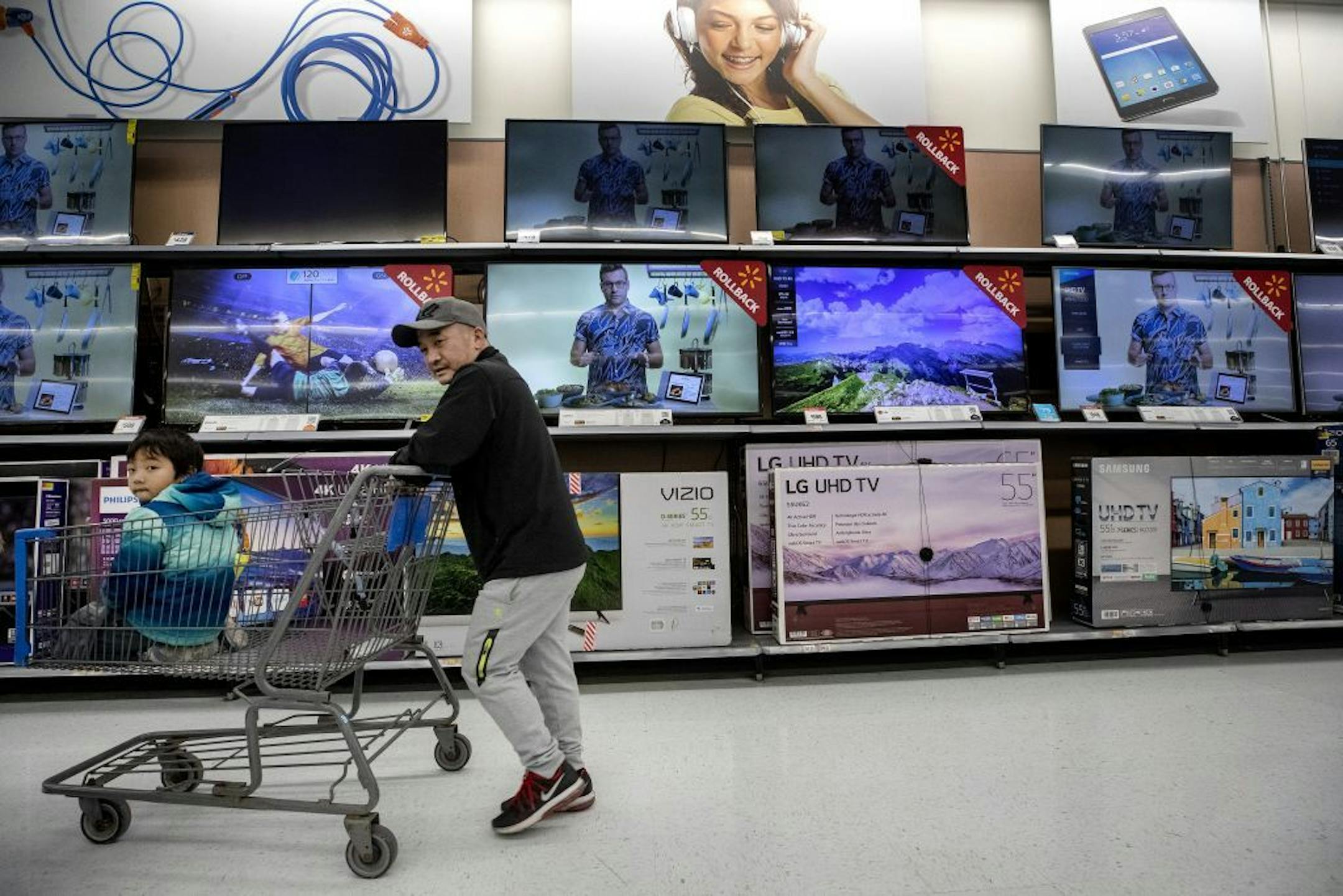
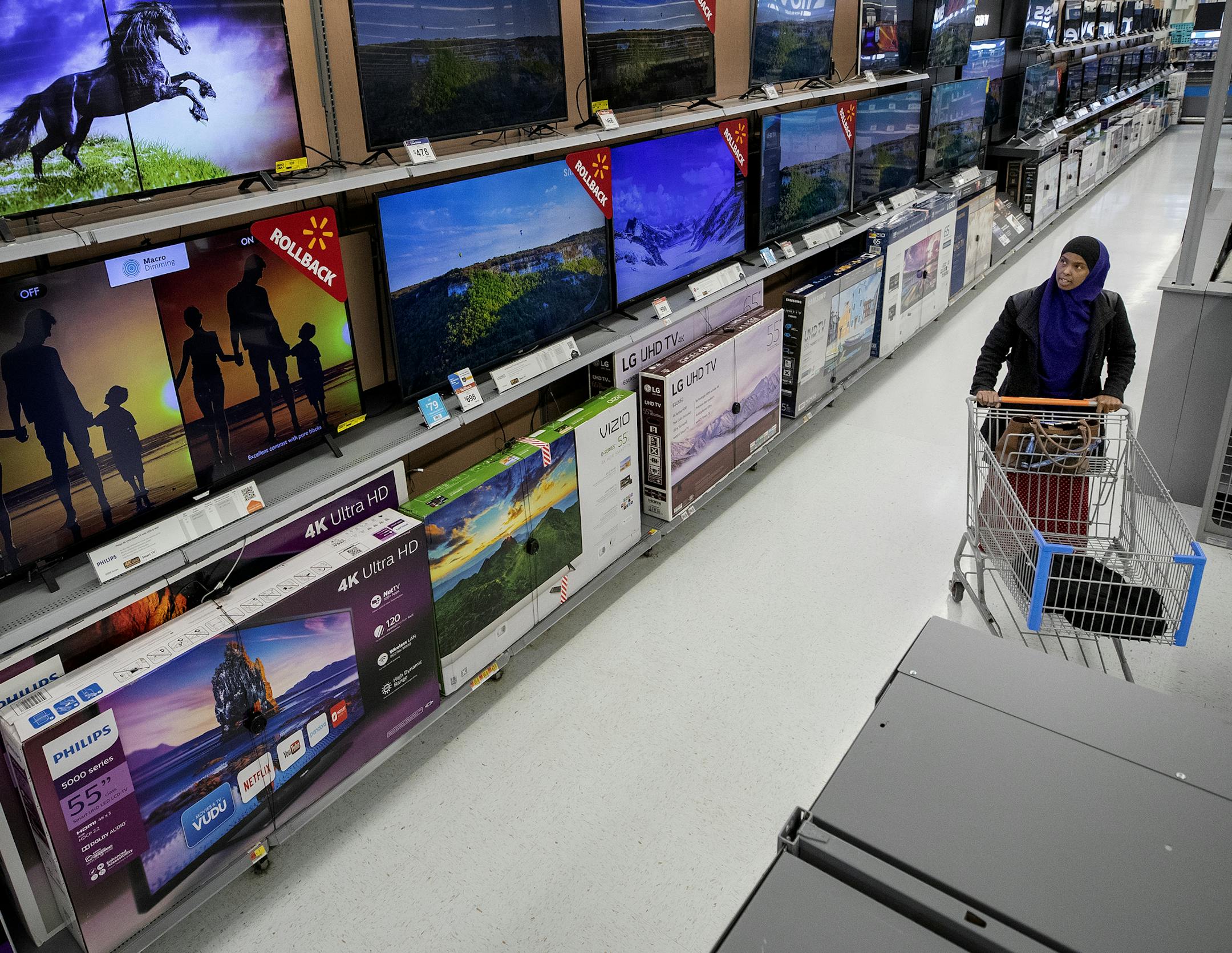
Front and center in the Black Friday ads is the same item that stores such as Best Buy, Target and Walmart have been featuring for 15 years: the flat-panel, big-screen TV.
They've become such a hot commodity on Black Friday that Best Buy instituted a number system for limited-quantity doorbusters about a decade ago to minimize the chaos. Even retailers not known for selling electronics — J.C. Penney, Kohl's and Menards, to name a few — often include them in their Thanksgiving Day circulars.
But why do retailers still count on TVs to seize shoppers' attention when they aren't one of Black Friday's biggest sellers?
"They're just plain eye-catching. They're big and imposing and make a visual statement," said Carol Spieckerman, a national retail consultant and strategist. "Retailers play on our fear of missing out on the latest technology. It's all about the latest and greatest technology."
It's surprising on one level that televisions have remained so ubiquitous in Black Friday offerings. The number of televisions per U.S. household was 2.6 in 2017, down from 2.9 in 2012, according to market research from the NPD Group. And only 6 percent of TVs are purchased as gifts.
The number of TVs sold, according to NPD, is expected to continue declining as consumers' video viewing habits continue to migrate to computers, phones and tablets.
Despite lower overall sales, retailers aren't concerned.