The pressure on the CEOs of Minnesota’s biggest companies to publicly condemn the Trump administration’s massive deportation campaign was building for weeks.
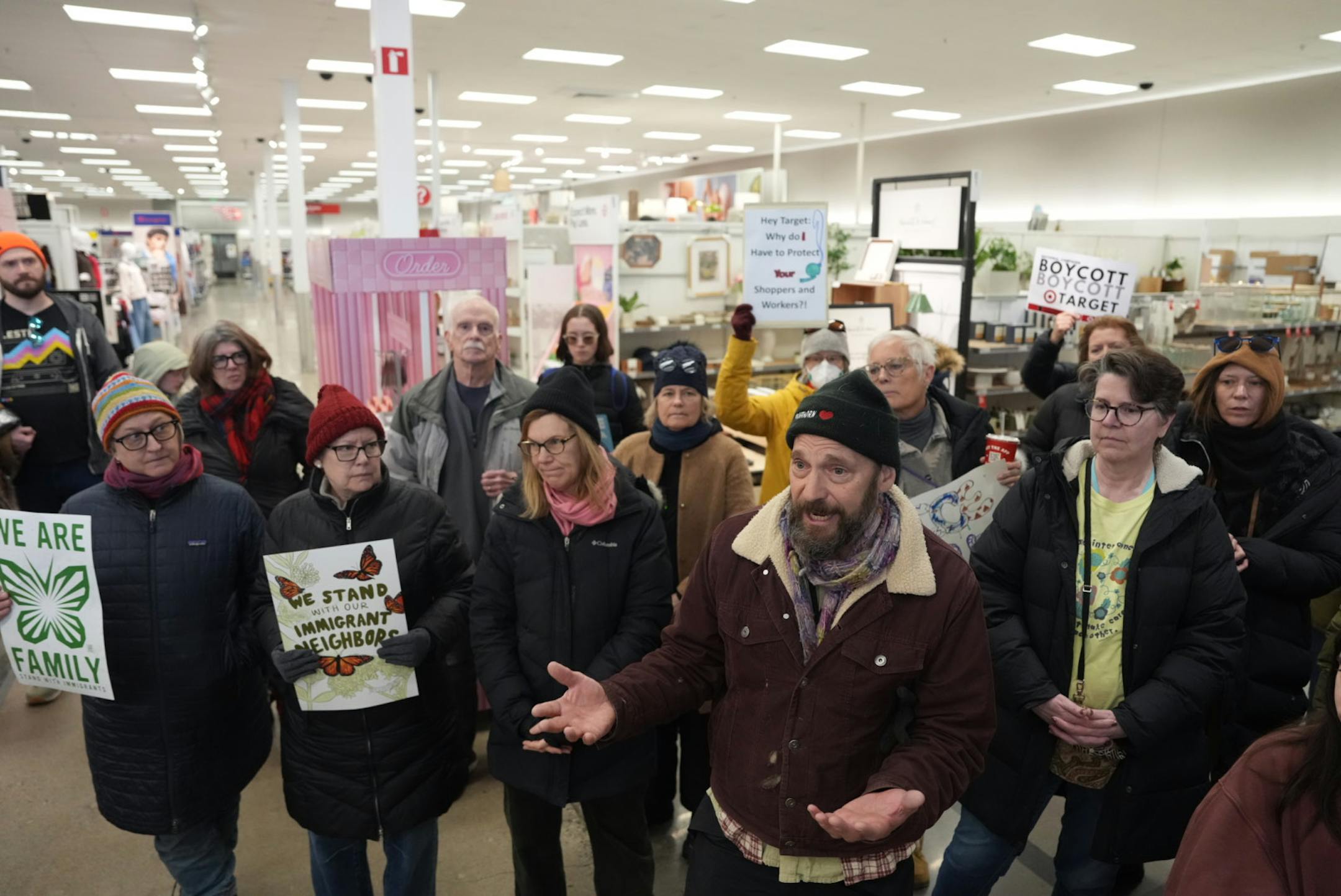
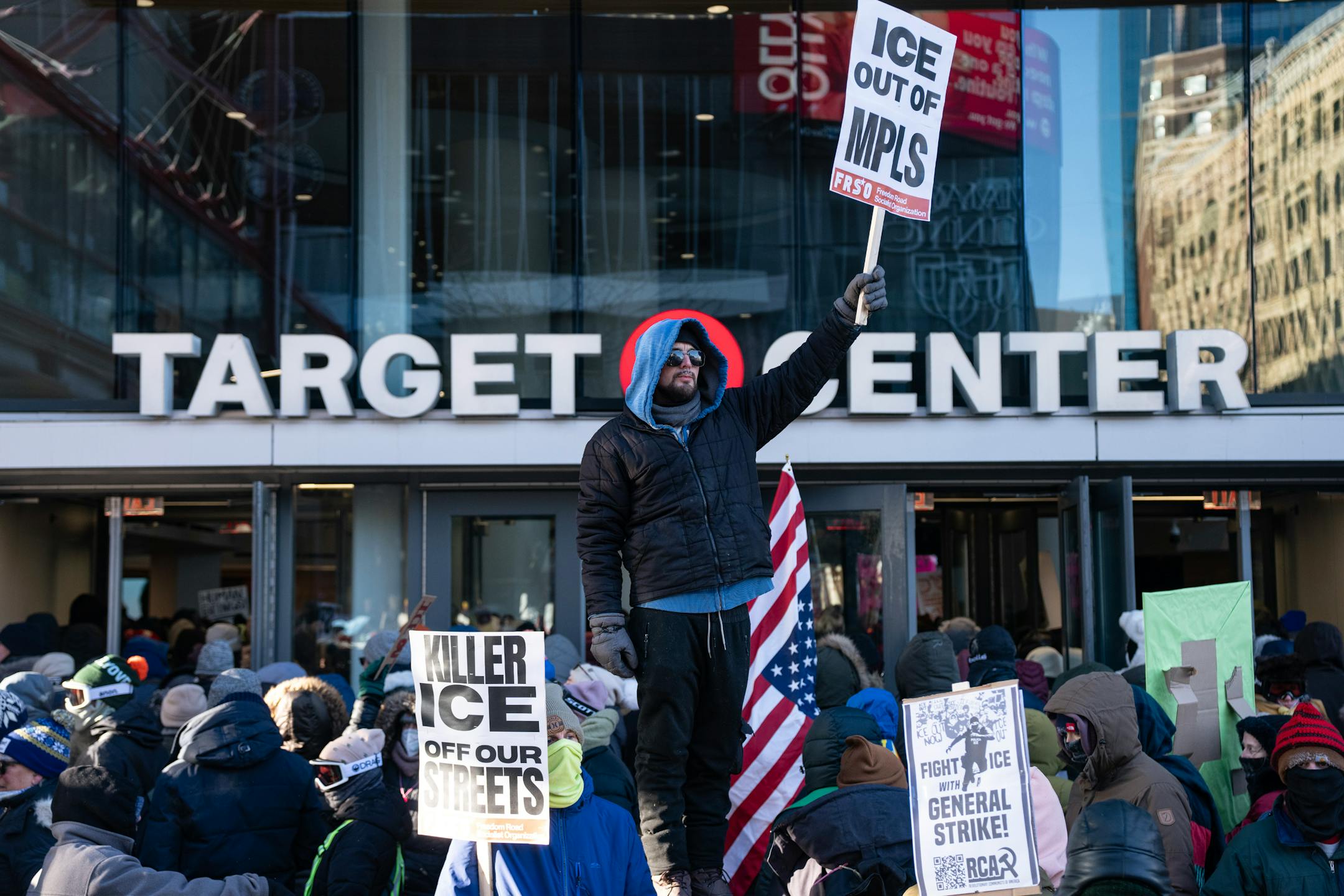
The day before U.S. citizen Alex Pretti was killed, hundreds of Target employees crafted a letter of outrage to executives for not condemning the arrest of two of its U.S. citizen employees; local clergy were arrested at the airport while demanding Delta Air Lines speak out; and thousands of Minnesotans called off work to join a day of protest.
Pretti’s death at the hands of immigration agents “increased the urgency fundamentally” for business leaders to play an active role, said Doug Loon, CEO of the Minnesota Chamber of Commerce.
That’s when the Minnesota CEOs’ letter, workshopped by dozens of executives and their teams over the next 24 hours, came into existence. Ultimately signed by more than 80 executives, the letter became its own flashpoint among Minnesotans who hoped for a more full-throated condemnation of immigration enforcement agents’ tactics.
It called for “de-escalation” but did not mention Operation Metro Surge, Pretti or Renee Good, another Minneapolis resident and U.S. citizen killed by immigration officers weeks earlier. Loon acknowledged there were critics, but said, “The reality is, I think it accomplished its goal.”
The goal: cooperation between local and federal leaders to bring the surge, and the violence, to an end.
Minnesotans’ expectations that their hometown companies will engage in local civic life is built on recent memory and a long-running legacy. Many people decried the letter as mealy-mouthed, drawing a sharp contrast to the strong corporate response to the murder of George Floyd six years ago in Minneapolis.
Yet the world has since changed. Stephen Young, a corporate social responsibility scholar and former dean of what’s now the Mitchell Hamline School of Law, felt it was indicative of a “new order” in Minnesota’s business community, one that is weary of taking risks.