
Anonymous funders of ‘Precarious State’ film stay ... anonymous

When asked to identify who paid for the film on Minneapolis, Rick Kupchella has said his donors are “business and community leaders.”

The Minnesota Star Tribune
October 16, 2025 at 11:40PM
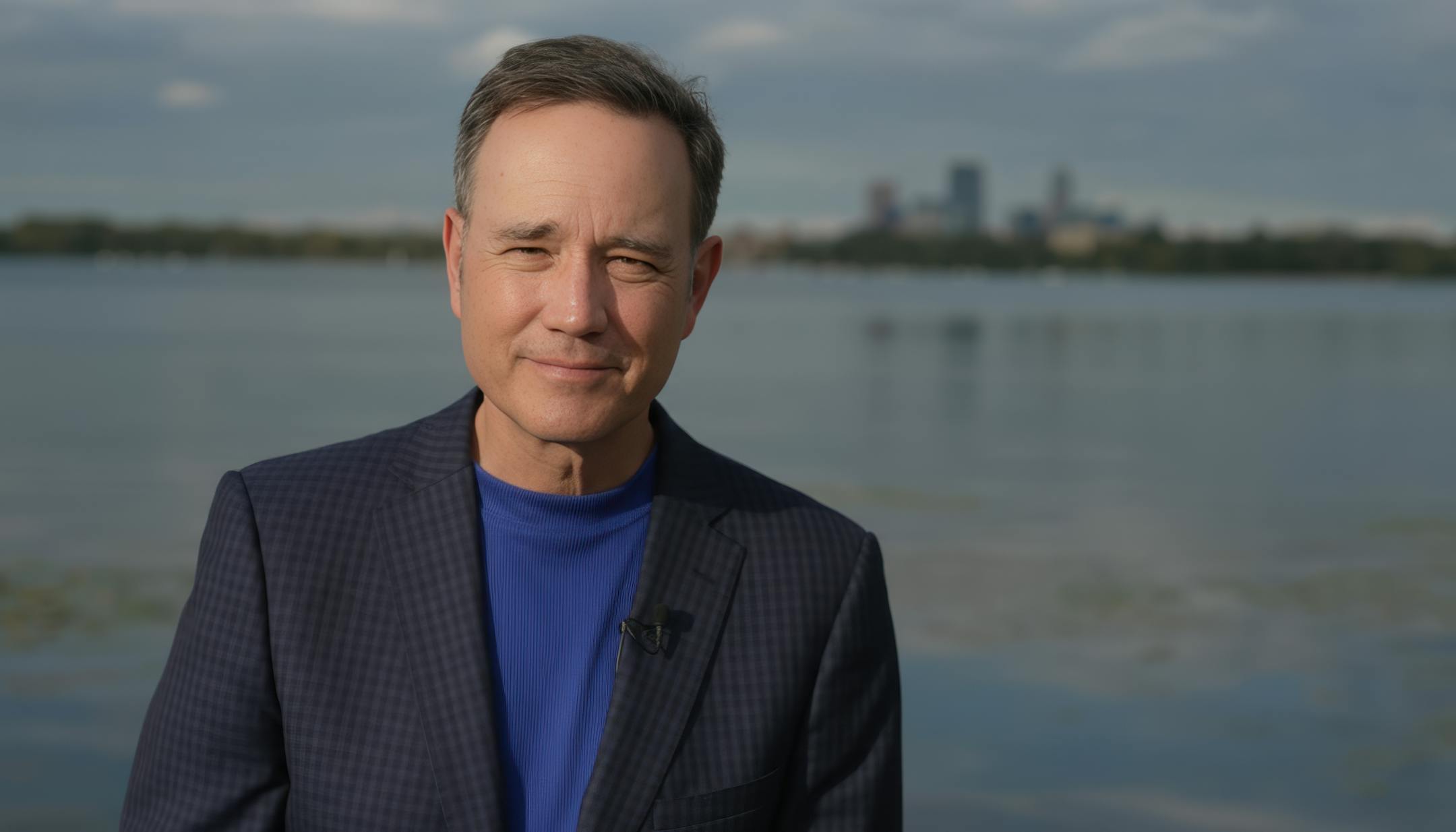
Rick Kupchella reports on alleged troubles in Minneapolis in "Precarious State." (Precarious State)

It’s still not known who paid for Rick Kupchella’s hourlong video “Precarious State,” which leans on selective data and second-hand characterizations of Minneapolis politicians to largely pan the city while discussing crime, taxes, the business community and city politics.

Kupchella has declined to say who paid for the film, or for its airing statewide earlier this month on ABC affiliates as paid programming without commercial breaks.

“They are not interested in credit,” Kupchella said of the funders in an interview with the Minnesota Star Tribune.

The funders may not want credit, but one attorney who was in the film said it may fall under a state law requiring donors to step forward, given its timing one month before the city election and its clear advocacy against City Council members aligned with the Democratic Socialists of America.

Anonymous funders

So far, Kupchella has been asked by the Star Tribune, the Fargo Forum newspaper, WCCO Radio host Jason DeRusha and others to identify who paid for the film. Kupchella has only characterized his donors as “business and community leaders.” He didn’t respond to an email sent Thursday asking the question again.

So who paid for it?

The film doesn’t mention Mayor Jacob Frey, but it attacks his Minneapolis City Council opponents and those supported by the local chapter of the DSA, which includes Frey challenger Omar Fateh.

Frey campaign spokesman Darwin Forsyth said the Frey campaign did not sponsor the film or help pay for it. He pointed to Frey’s publicly available campaign finance records as confirmation.
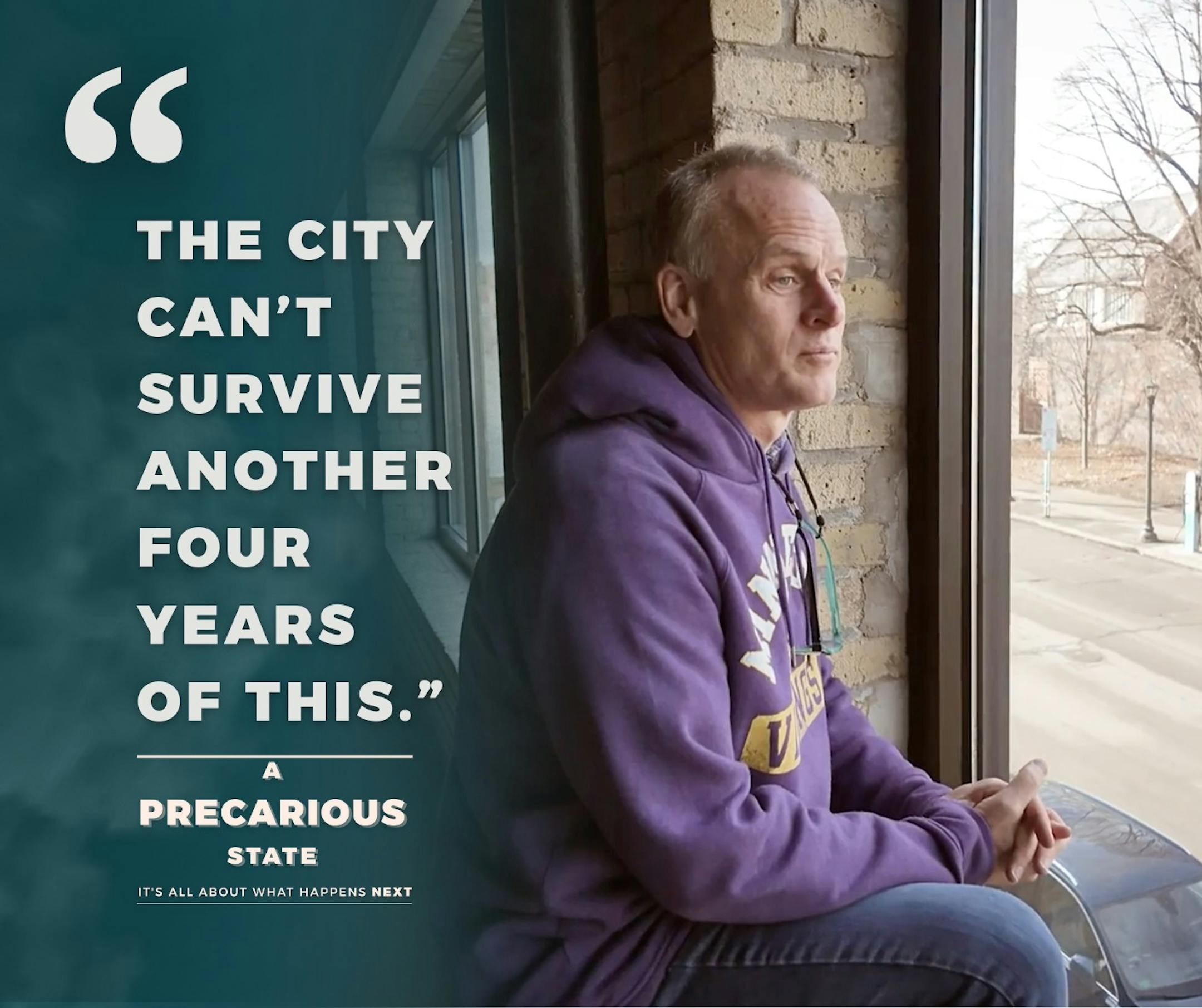
All of Minneapolis Executive Director Jacob Hill said the group, which supports Frey and candidates aligned with him, didn’t contribute anything to the film. “Not a dime,” he said.

The film also spotlights — in a negative way — City Council Member Robin Wonsley, a democratic socialist who’s facing a challenge from former lawmaker Shelley Madore, who has been endorsed by a group aligned with Frey.

Mike Logan, president and CEO of the Minneapolis Regional Chamber, said the downtown business group did not fund Kupchella’s project. “I wasn’t aware that this was coming out,” said Logan.

Among other potential donors: A spokeswoman for the Minneapolis Downtown Council said it didn’t contribute. “Trust me, if we had put money into it it would have been more flattering,” said the council’s senior director of advancement Kittie Fahey.

Jim Rubin, a landlord who has owned thousands of Minneapolis rental units and who gets a flattering portrayal in “Precarious State,” said he didn’t donate, either.

“I literally have no idea,” he said of the project’s funders. “I was just a subject.”

Rubin said he was working independently of Kupchella to find candidates he could support for the November elections when they somehow crossed paths earlier this year. “We were randomly connected,” he said. “I don’t even remember how.”

Kupchella originally told him he needed funding for the project, but Rubin said he is broke and didn’t have the funds to help out; they never talked about it again, Rubin said.

Minneapolis real-estate developer Jim Rubin shares his thoughts in the new documentary, "Precarious State." (Precarious State)

Rubin sits on the board of a group called the Minnesota Multi Housing Association, which represents landlords. The organization donated $72,585 in April to the We Love Minneapolis PAC, which spent money on Frey-aligned incumbents and candidates running against DSA City Council members. Among them: Josh Bassais, Paula Chesley, Marques Jones, Madore, Lydia Millard, Linea Palmisano, Michael Rainville, Elizabeth Shaffer, and Michael Baskins, who has since dropped out. The Minneapolis Downtown Council also donated $35,000 to the PAC.

Asked if the MMHA helped fund the film as well, the group’s president and CEO Cecil Smith said “no comment.”

Republican consultant Ben Golnik said he didn’t know who helped pay for the documentary. Michael Brodkorb, a former deputy chair of the Minnesota GOP who is now a podcaster, said he had Kupchella on his podcast the week “Precarious State” aired but doesn’t know anything about the funding.

State law in play?

Hamline professor and attorney David Schultz, one of the people quoted in the documentary, said he doesn’t know who funded it. When Kupchella first approached him about being interviewed for “Precarious State,” Schultz was led to believe that KSTP head Stanley Hubbard had hired Kupchella to do the documentary.

“I was under the impression that this was going to be a television station doing something like matters for political concern, thinking it would be a news production,” said Schultz.

A KSTP spokesperson said Hubbard was not a sponsor. The station sold the airtime — it wasn’t free — to Kupchella for the Oct. 2 airing, the spokesperson added.

Funding a political film that airs shortly before an election probably wouldn’t run afoul of campaign finance laws — it would be viewed by the courts as free speech, said Schultz — but a state law requiring disclosure could still be in effect.

The law comes from state statute 10A, “Campaign Finance and Public Disclosure,” which says a communication that clearly identifies a candidate and expressly advocates for or against that person could fall under campaign finance regulations requiring those who paid for it to register with the Minnesota Campaign Finance and Public Disclosure Board, among other things.

That process has many steps, said Schultz, and begins with an individual filing a complaint with the Campaign Finance Board. The complaints themselves are not public, but the board would eventually release its findings after the conclusion of any investigation.

about the writer

about the writer

Matt McKinney

Reporter

Matt McKinney writes about his hometown of Stillwater and the rest of Washington County for the Star Tribune's suburbs team. 

See Moreicon