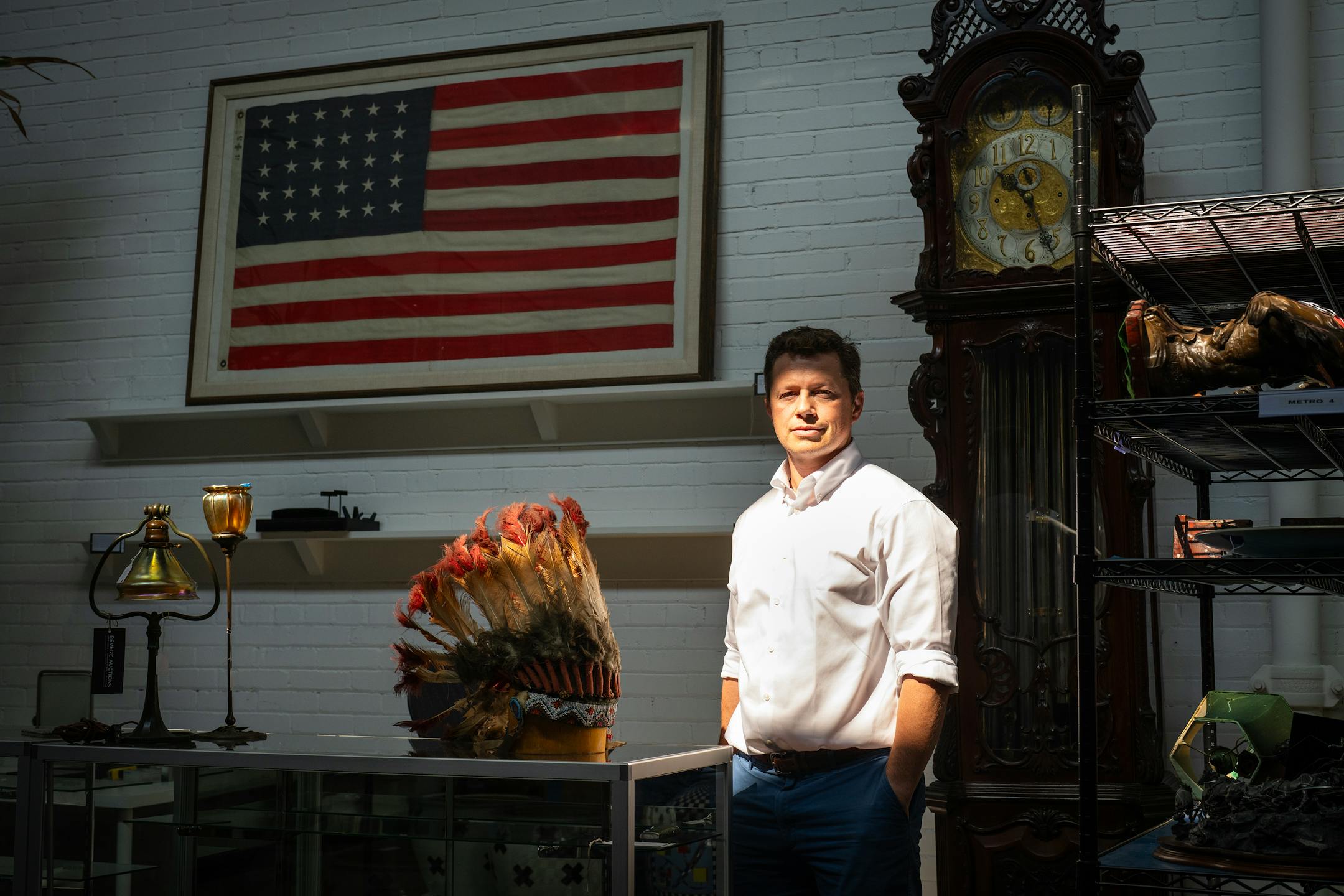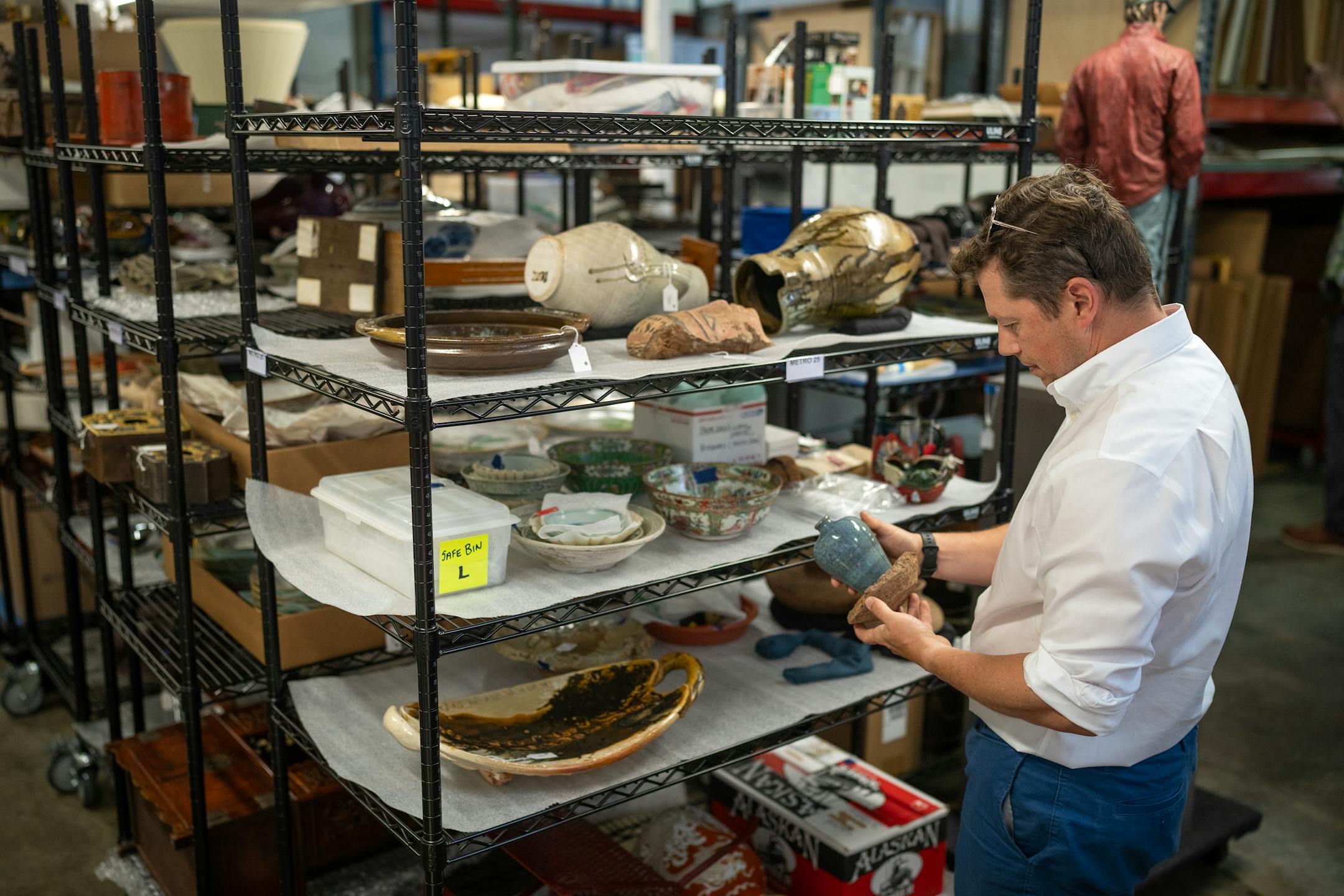
Before every auction, Sean Blanchet sends a spreadsheet to Washington, D.C., where it lands in the inbox of the Association on American Indian Affairs.
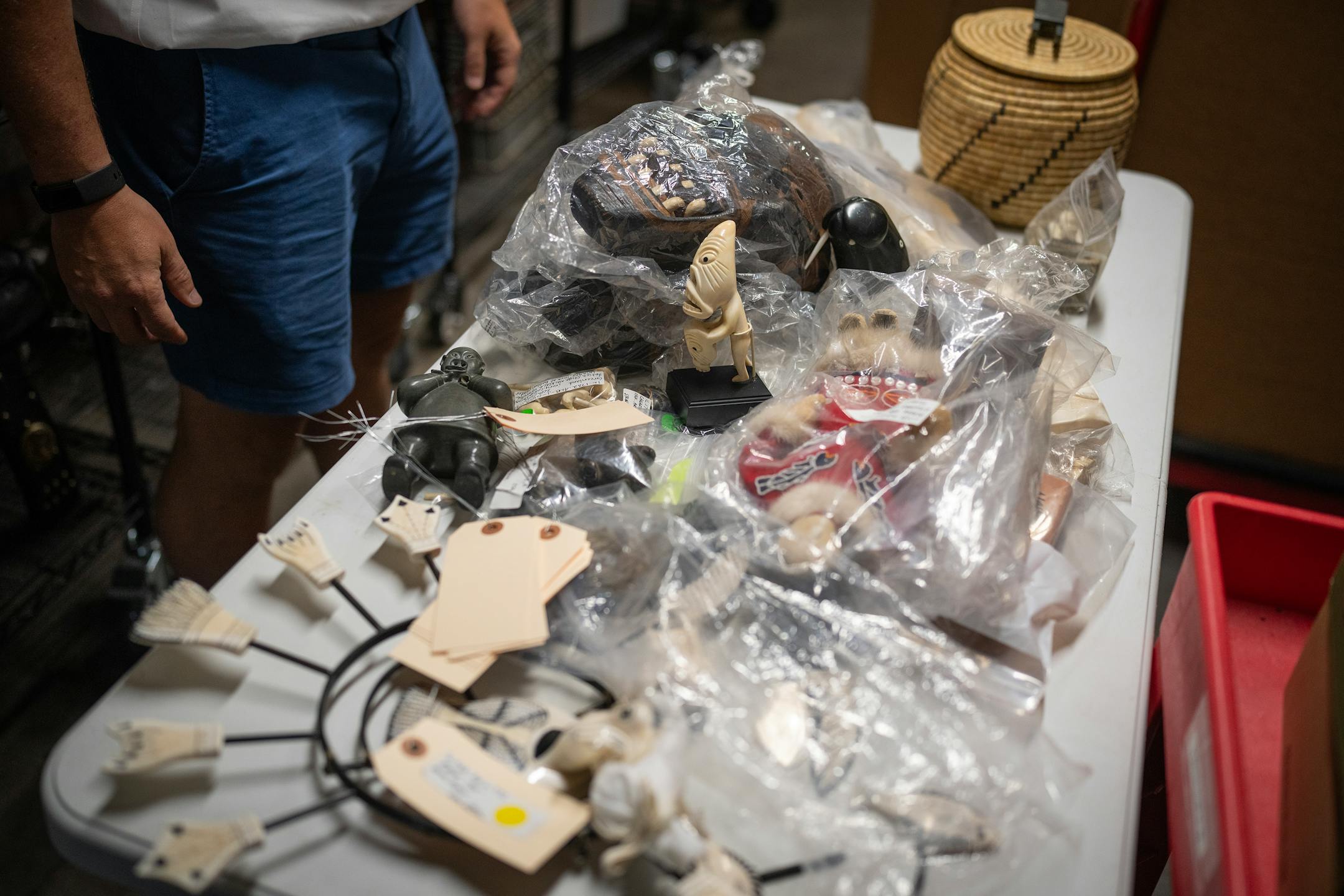
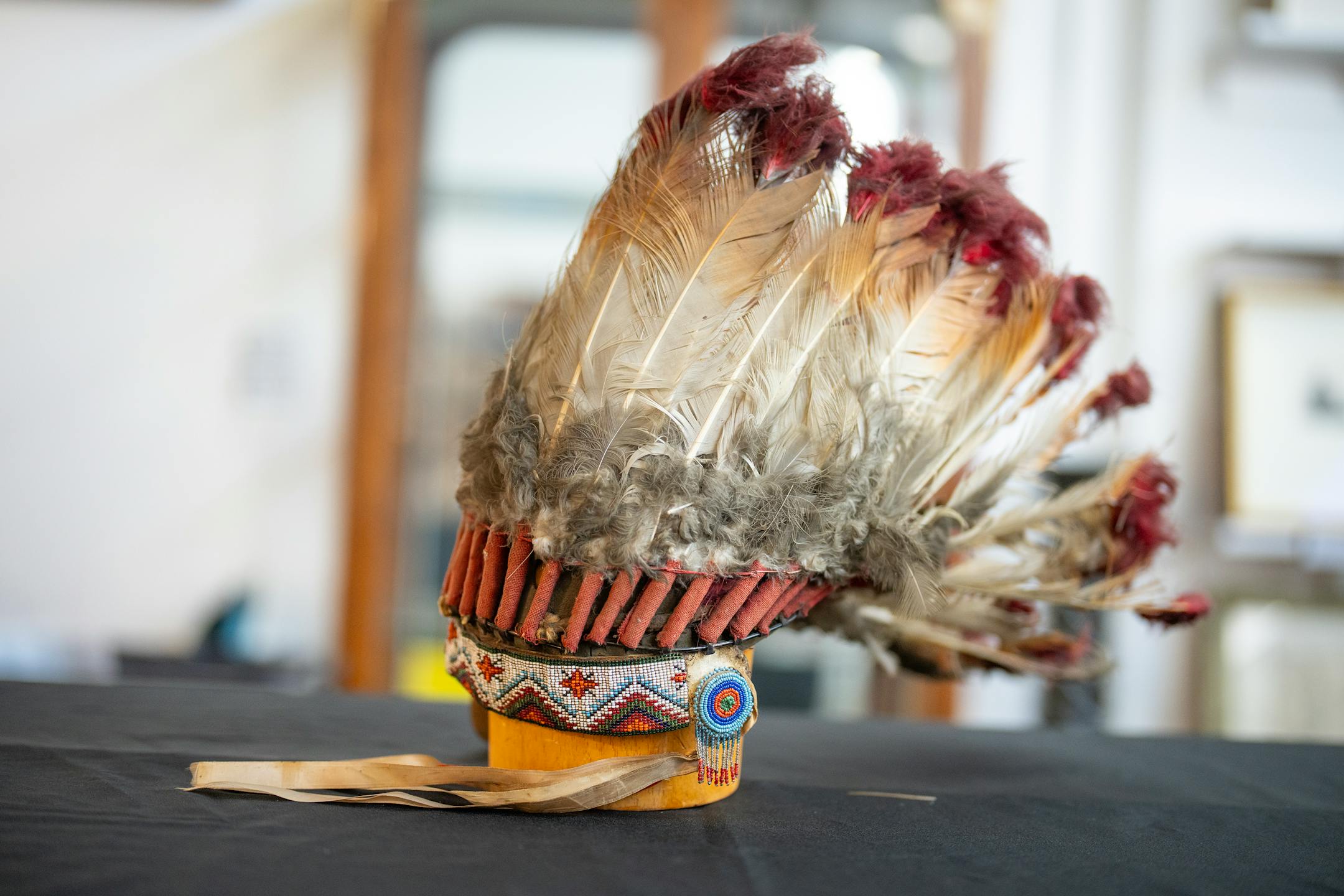
There, researchers comb through the list of Native American items up for sale at his St. Paul auction house — tribal masks, feathered war bonnets, ceremonial objects — and flag anything with spiritual or tribal significance.
And when they do, Blanchet doesn’t haggle. He pulls it from the Revere Auctions catalog and sends it home.
“My number one goal is to move the object from where it is, to where it should be,” he said.
Blanchet’s approach is practically unheard of in an industry where tribes are often forced to buy back their own stolen history — or watch it disappear into private collections.
According to AAIA CEO Shannon O’Loughlin, Revere is the only auction house in the United States — and the world — with a formal process for reviewing and returning Native items.
“It is extremely surprising,” she said, “because he’s taking his good faith responsibility, as well as his ethical and moral responsibility, seriously.”
O’Loughlin’s organization has tracked more than 15,000 potentially sensitive Native items sold at auction in 2025 alone. That number exceeded 20,000 last year. Despite the federal Native American Graves Protection and Repatriation Act, she said, there is no real enforcement mechanism for items held in private hands — where most auctioned collections originate.