

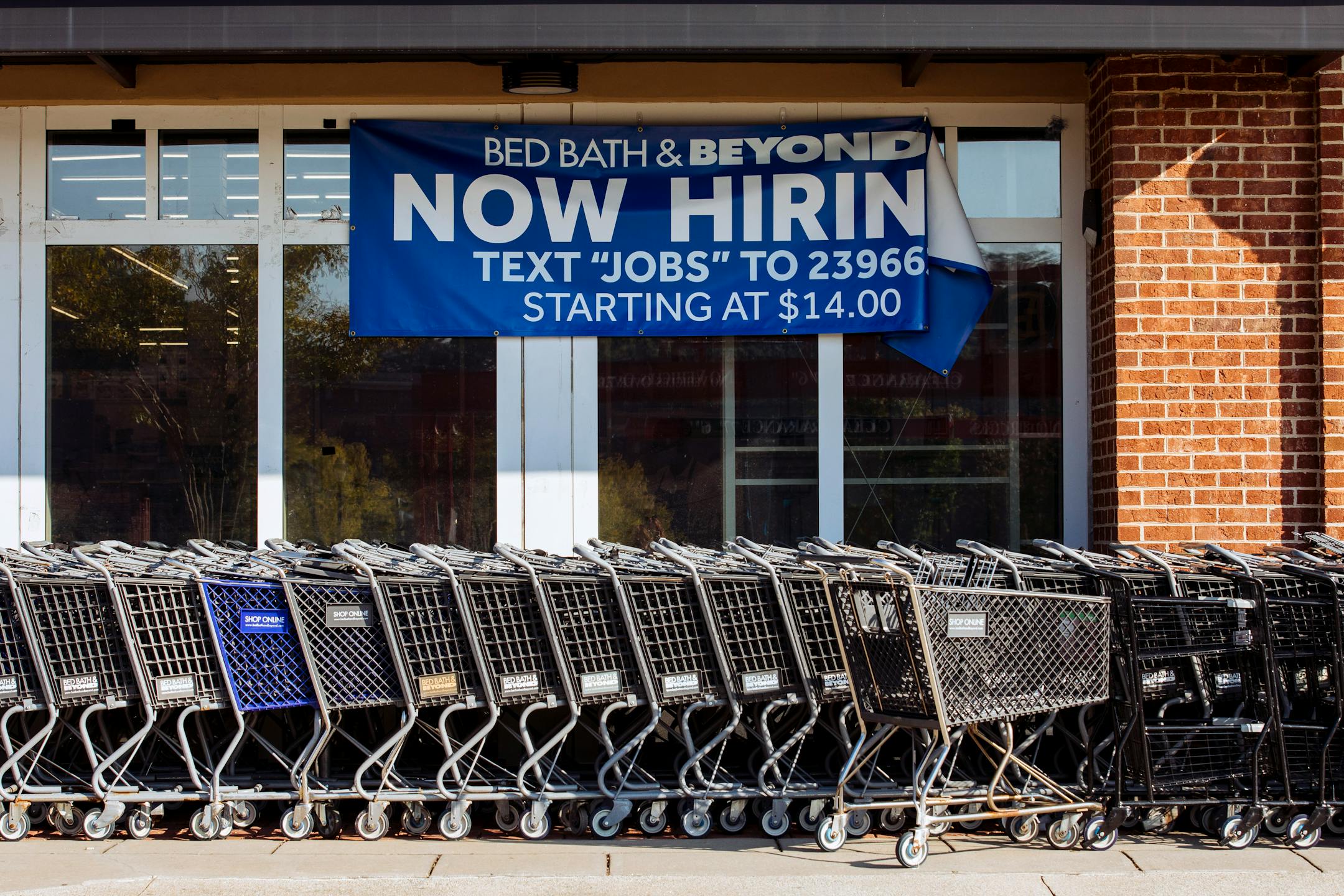
Fall was meant to mark the beginning of the end of the labor shortage that has held back the nation's economic recovery. Expanded unemployment benefits were ending. Schools were reopening, freeing up many caregivers. Surely, economists and business owners reasoned, a flood of workers would follow.
Instead, the labor force shrank in September. There are 5 million fewer people working than before the pandemic began and 3 million fewer even looking for work.
The slow return of workers is causing headaches for the Biden administration, which was counting on a strong economic rebound to give momentum to its political agenda. Forecasters were largely blindsided by the problem and do not know how long it will last.
Conservatives have blamed generous unemployment benefits for keeping people at home, but evidence from states that ended the payments early suggests that any impact was small. Progressives say companies could find workers if they paid more, but the shortages are not limited to low-wage industries.
Instead, economists point to a complex, overlapping web of factors, many of which could be slow to reverse.
The health crisis is still making it hard or dangerous for some people to work, while savings built up during the pandemic have made it easier for others to turn down jobs they do not want. Psychology may also play a role: Surveys suggest that the pandemic led many to rethink their priorities, while the glut of open jobs — more than 10 million in August — may be motivating some to hold out for a better offer.
The net result is that, arguably for the first time in decades, workers up and down the income ladder have leverage. And they are using it to demand not just higher pay but also flexible hours, more generous benefits and better working conditions. A record 4.3 million people quit their jobs in August, in some cases midshift to take a better-paying position down the street.
"It's like the whole country is in some kind of union renegotiation," said Betsey Stevenson, a University of Michigan economist who was an adviser to President Barack Obama. "I don't know who's going to win in this bargaining that's going on right now, but right now it seems like workers have the upper hand."


