

Suburbanites have plenty of outlets to vent their frustrations, from community meetings to the occasional barb-strewn social media post. But one city in Dakota County just made it harder for residents to ask their elected officials for an audit.
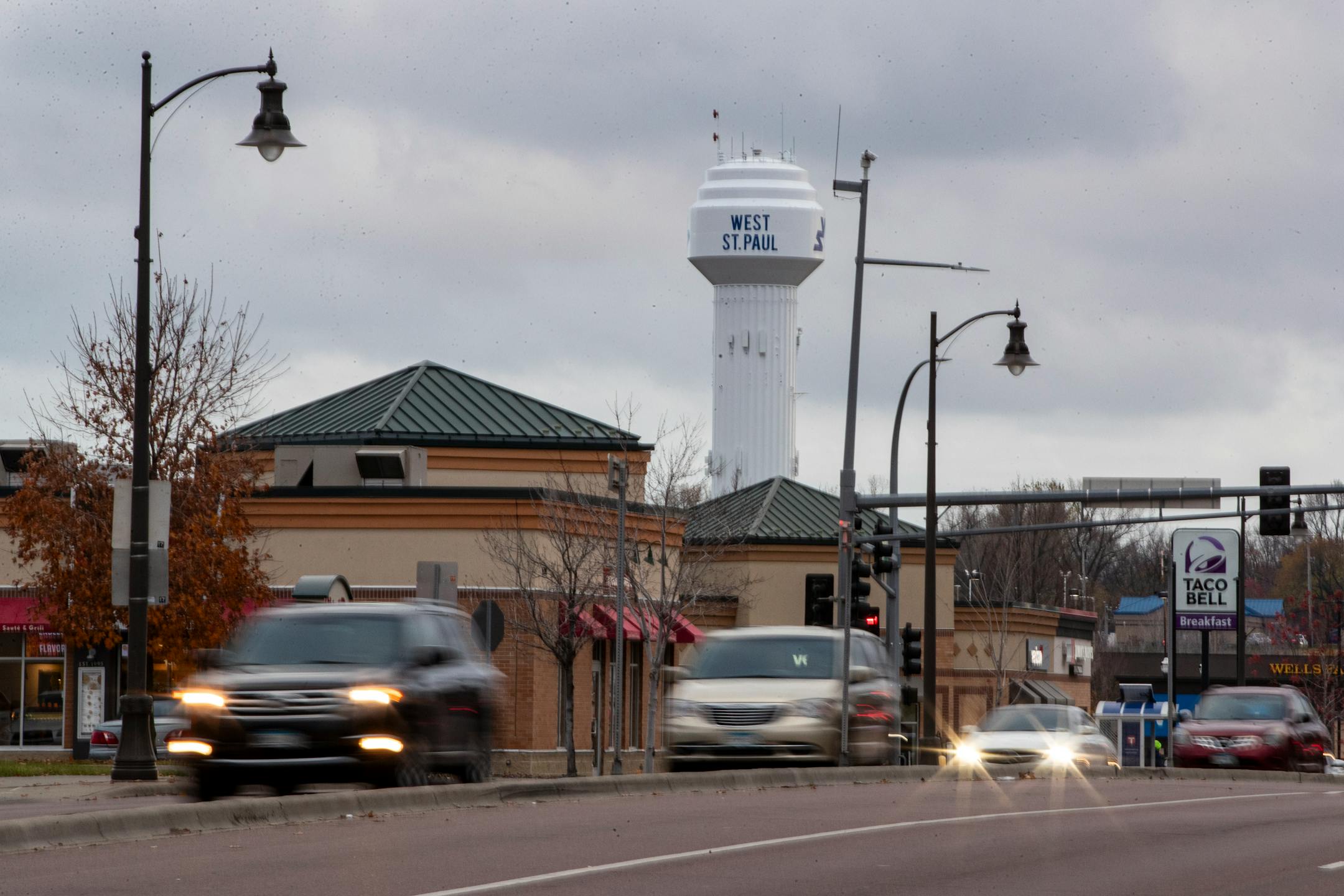
West St. Paul amended its city charter earlier this month, increasing the number of people needed to successfully petition the City Council to ask the state for an audit from 100 voters to 5% of registered voters — or about 570 people.
It’s a wonky, in-the-weeds change, but city officials and citizens say it matters. West St. Paul leaders hope the higher threshold helps the city avoid incurring steep bills for audits-by-petition, an accountability mechanism that neighbors have rarely, if ever, used.
Watchdogs, however, worry about the message the move might send when trust in government remains low.
The decision also reflects the decentralized nature of Twin Cities suburbs.
There’s no across-the-board local policy for audits-by-petition, with cities requiring citizens to rack up different numbers of signatures for successful campaigns to their City Councils. Other cities exclude the practice from their charters entirely. And neither the Office of the State Auditor nor the League of Minnesota Cities track local rules for resident-led audits.
“There are opportunities to really bring local audit here in Minnesota up to the times,” said Noah McVay, a community advisor to the St. Paul Audit Committee.
‘A modern lens’
Minnesota State Auditor Julie Blaha is accustomed to parsing petitions for financial reviews from local governments. Over the past few years, Blaha’s office has acted on wide-ranging calls for official examinations from Twin Cities suburbs, from a probe into the finances of Robbinsdale schools to a look at the books in the small city of Lakeland.


