

Days after Mat Ishbia reached a deal in December to buy majority stakes in the NBA's Phoenix Suns and the Phoenix Mercury of the WNBA, he met with top executives to learn more about the teams' business operations, including how local fans were able to watch their games on TV.
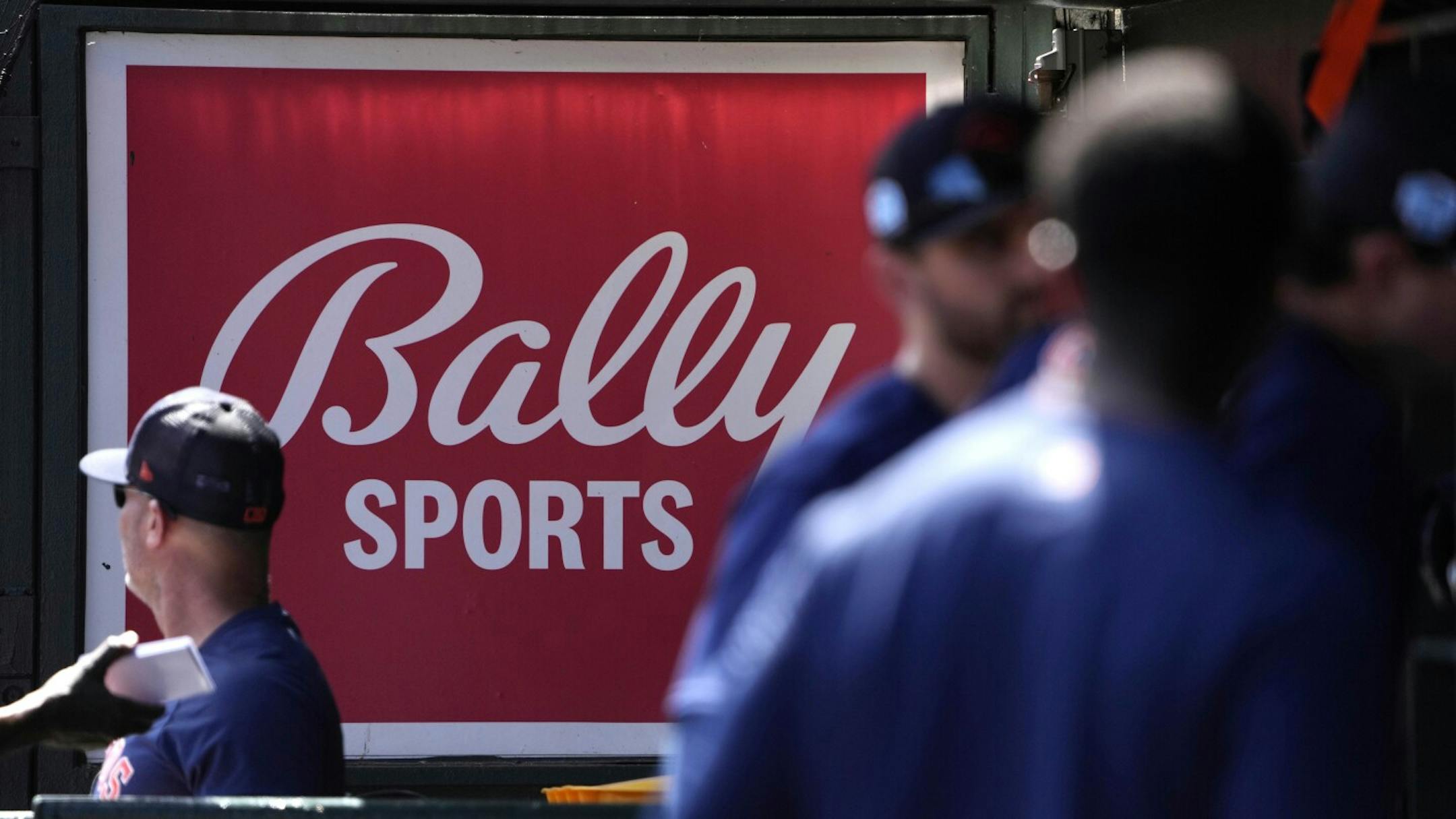
The executives detailed three possibilities going forward, including sticking with Diamond Sports Group, which owned the regional sports network that for more than a decade had held the rights to show the teams' games. Diamond Sports was saddled with $8 billion in debts — it would file for bankruptcy protection in March — but it still wrote big checks worth millions of dollars a year.
Ishbia, though, gravitated to the riskiest of the three options: ditching the regional sports network model that most teams followed for decades and returning to showing Suns and Mercury games for free on over-the-air channels. It might cost the teams money in the short term, but the bet was that it would help them reach more fans, including those who dropped their cable subscriptions or, like many younger fans, never had one.
"What was interesting was the amount of people that were reaching out to me on social media about how they couldn't watch the Suns games," Ishbia said in an interview, adding: "It's their team. It's not Mat's team. To not be able to watch your game wasn't an option that we were interested in."
In April, the organization announced that it would leave Diamond Sports and broadcast all Suns and Mercury games on over-the-air channels with the company Gray Television. They sent thousands of free antennas to fans who needed them. They also created a streaming option with the company Kiswe.
Ishbia's decision shook a sports media world — clubs, leagues, networks, cable and satellite providers — trying to navigate the decade-long shift in how fans watch their home teams. Those used to finding games on one channel are having to search for them elsewhere as networks and leagues reshuffle their distribution deals in response to the rise of cord cutting and the boom in streaming. Some clubs could face shortfalls as they search for ways to replace revenue lost by the end of local media deals, potentially hindering their ability to bid for top players.
More teams are expected to overhaul their local media deals in the coming months as their contracts expire. Those that choose to show more of their games on free television are returning to a world that the NFL, which shows more than 90 percent of its games on over-the-air channels, never abandoned.
"It's back to the future," said Michael Nathanson, a media analyst at MoffettNathanson. "As more people cut the cord, these teams are losing their ability to reach their fans. So why not put it over the air for free and also build a streaming product that's more accessible for younger fans."


