
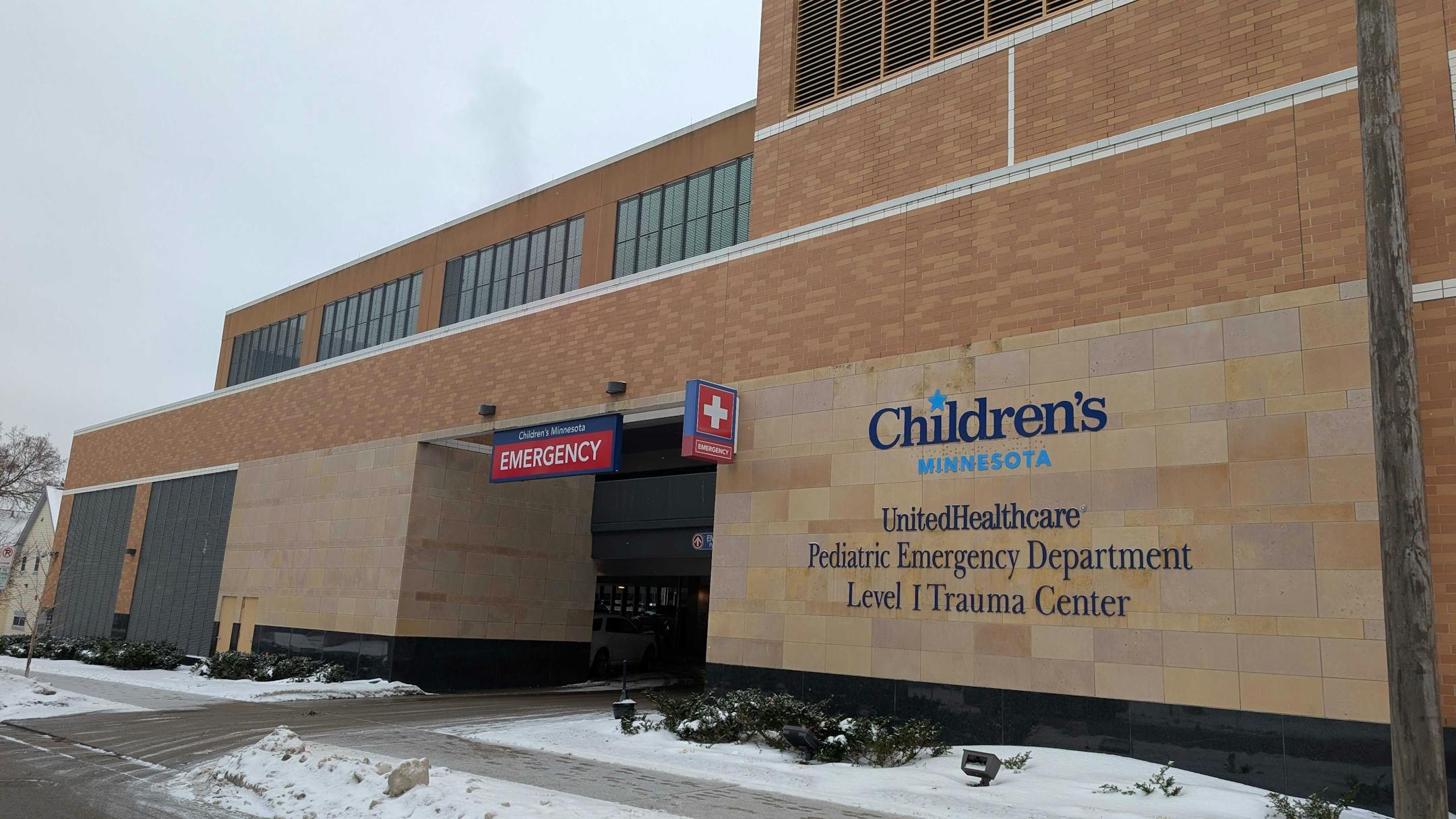
Washburn Center-Children’s Minnesota partnership seeks end to youth ER boarding

About 1,200 kids in mental health crises were stuck in the hospital’s ERs last year, unable to go home or find inpatient treatment.

The Minnesota Star Tribune
December 8, 2025 at 11:01AM
In this May, 10, 2022, file photo, the ambulance bay at M Health Fairview’s Masonic Children’s Hospital was converted into temporary shelter for children dropped at the emergency department because of mental or behavioral issues.

Twin Cities pediatric organizations are teaming up to prevent children in mental health crises from getting stuck in emergency rooms, a lose-lose-lose problem that hurts the kids, clogs up ER beds and wastes money.

The Washburn Center for Children announced last week it has hired an acute response therapist who will go to Children’s Minnesota ERs in Minneapolis and St. Paul to work with families in such crisis situations.

Children’s ERs “boarded” about 1,200 children last year, sometimes for days or weeks, because there was no space for them in mental health treatment centers, and their families didn’t feel equipped to take them home.

The new therapist will provide direct counseling and access to support services so parents can take their children back from ERs more quickly, said Jenny Britton, chief clinical officer for Minneapolis-based Washburn. The goal is to bridge the time back home for children until placements open up in treatment facilities or to stabilize the families so they no longer need those placements.

Either is preferable to having unstable children wait indefinitely in the ER, she said.

“If we have a child who doesn’t know where they’re going next, sitting in a hospital bay for five days, 10 days, 15 days, that’s a trauma in and of itself,” she said.

Pressure on ERs has increased as group homes and residential treatment facilities have closed or reduced their bed capacities, leaving families on waiting lists while their children’s mental health issues fester.

Children’s expanded its inpatient unit in St. Paul, as did PrairieCare in Brooklyn Park, but those openings filled quickly. And some of the children in crisis don’t meet criteria for inpatient admission anyway.

The problem isn’t unique to Children’s, or even pediatrics. Boarding was a particular challenge during the pandemic, when ERs across the Twin Cities filled up because their inpatient beds were full of patients waiting for space in stepdown rehabilitation and skilled nursing facilities.

Hospitals lose millions of dollars annually as a result, because they can’t bill insurance for patients who occupy their beds but don’t need inpatient care. Meanwhile, wait times increase in their ERs.

Some of the most egregious cases involve children. M Health Fairview’s University of Minnesota Medical Center in 2022 converted an ambulance bay into a spillover shelter for children with behavior or mental disorders who couldn’t be discharged.

Ridgeview Medical Center in Waconia was stuck for months with a combative state ward, who reportedly lashed out and injured ER workers.

In some instances, children aren’t boarding at ERs but are repeatedly returning to them as their families try and fail to keep them stable and avoid feelings of self-harm or aggression, said Stephen DeLong, Children’s lead mental health social worker.

“The problem we see coming in the emergency department is families are asking for help now, not three months from now,” he said.

The new therapist will interact with children and their families for three to six months. She will be able to work with foster children as well and provide therapy and support for them in shelters or other out-of-home placements, DeLong said.

The partnership will bill insurance when possible, but it has funding for uninsured families or cases when health plans don’t cover this type of care.

The idea stemmed from an existing Warm program by which Washburn works with children after ER visits and helps them stay with families that are ready to care for them. Britton said one eventual goal is to see a measurable reduction in return ER visits because families have been able to avoid them.

about the writer

about the writer

Jeremy Olson

Reporter

Jeremy Olson is a Pulitzer Prize-winning reporter covering health care for the Star Tribune. Trained in investigative and computer-assisted reporting, Olson has covered politics, social services, and family issues.

See Moreicon

More from Health Care

See More
card image

About 1,200 kids in mental health crises were stuck in the hospital’s ERs last year, unable to go home or find inpatient treatment.

card image
card image